
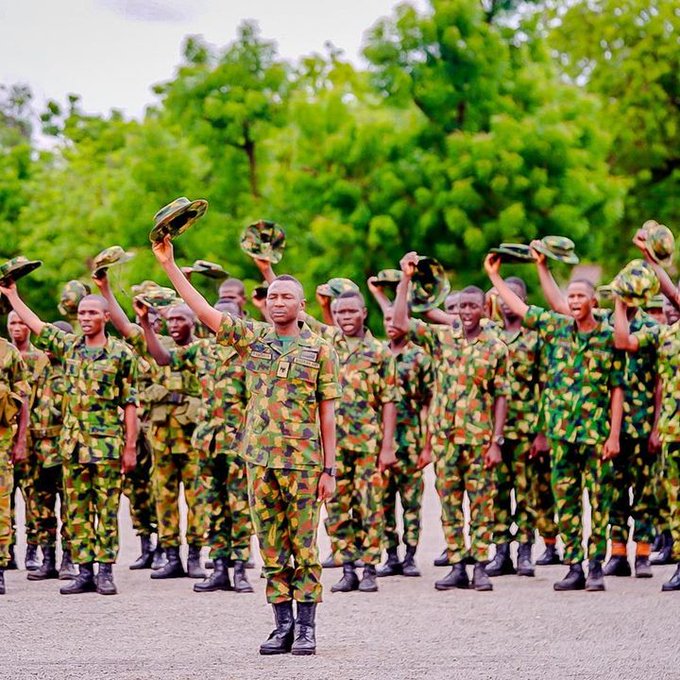
In an unprecedented achievement, Nigerian security forces have successfully neutralized 8,034 terrorists, arrested over 11,600 suspected criminals, and rescued 7,967 hostages in a year marked by significant triumphs.
Mr. Zakari Mijinyawa, the Director of Legal Service and Coordinator of the Strategic Communications Interagency Policy Committee (SCIPC), shared these impressive figures during a press briefing in Abuja on December 16, 2024.
He emphasized the collaborative efforts of the Nigerian military, police, and other security agencies, which have played a crucial role in the country’s fight against terrorism and criminality throughout the year.
“Through the determination and sacrifices of our security forces, we have succeeded in eliminating terrorist threats and rescuing countless innocent lives,” Mijinyawa said. “This year has shown that our collective will is stronger than those who seek to destroy peace and security in our nation.”
The joint operations have also resulted in the recovery of 10,200 weapons and over 224,000 rounds of ammunition from terrorists and other non-state actors. These actions are part of a broader strategy to dismantle the criminal networks that have plagued the country for years.
Mijinyawa highlighted that the efforts of the military have gone beyond counterterrorism operations, with a specific focus on curbing oil theft in the Niger Delta region. The deployment of advanced naval assets, including helicopters and unmanned aerial vehicles (UAVs), has disrupted illegal oil activities, leading to the recovery of stolen crude oil and the dismantling of numerous illegal refineries.
“Since January, we have seen significant success in tackling oil theft, including the seizure of illegal refinery sites and the arrest of individuals involved in oil bunkering,” he stated. “In total, we’ve raised crude oil production to 1.8 million barrels per day, aligning with the President’s mandate to eradicate oil theft in the region.”
In addition to counterterrorism efforts, Nigeria’s security forces have also made strides in combating drug trafficking. The National Drug Law Enforcement Agency (NDLEA) arrested 14,480 individuals, including 15 drug barons, and seized 2.37 million kilograms of illicit drugs, including cannabis, tramadol, and heroin.
In a historic operation, the NDLEA intercepted 51.90 kilograms of heroin at the Murtala Muhammed International Airport. The agency’s War Against Drug Abuse (WADA) initiative also reached over 1.3 million people through awareness programs.
“The scale of our efforts in fighting drug abuse has been immense,” Mijinyawa said. “We are not only apprehending criminals but also providing treatment and rehabilitation for thousands of Nigerians affected by drugs.”
The achievements of the Nigerian Correctional Service (NCoS) were also highlighted, with Mijinyawa noting that over 80,000 inmates were safely managed and rehabilitated during the year. The NCoS also supported 50,000 offenders through non-custodial measures such as community service.
Further efforts included providing vocational training for over 30,000 inmates, as well as education for 2,000 students who were preparing for the West African Senior School Certificate Examination (WASSCE). Over 1,000 inmates also graduated with diplomas and degrees from the National Open University of Nigeria (NOUN).
“These initiatives show that rehabilitation is a key focus for our correctional services,” Mijinyawa explained. “It is not enough to incarcerate; we must also ensure the reintegration of offenders into society.”
Meanwhile, the Nigeria Customs Service (NCS) achieved remarkable success in revenue generation, collecting N5.49 trillion, surpassing its revenue target. The NCS also contributed to the fight against smuggling and trade-related crimes, making it a critical player in Nigeria’s economic security.
The Nigeria Immigration Service (NIS) also made notable strides, improving border security and implementing e-border solutions to combat illegal migration and cross-border crime.
With regard to road safety, the Federal Road Safety Corps (FRSC) recorded a significant number of arrests and conducted rescue operations, saving thousands of lives. They also worked tirelessly to reduce road traffic fatalities, although 4,378 deaths were recorded in traffic-related accidents.
Despite these setbacks, Mijinyawa commended the FRSC’s dedication, which he said had led to a substantial decrease in traffic-related incidents over the course of the year.
“The work of our security agencies has been nothing short of extraordinary,” Mijinyawa concluded. “These accomplishments represent the resilience and unwavering commitment of our forces in the face of ever-evolving security challenges.”