
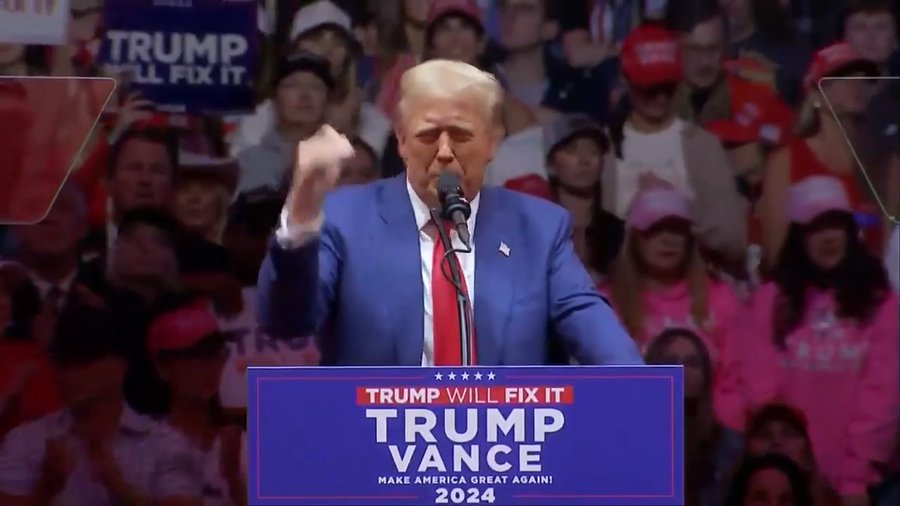
As the U.S. TikTok ban officially took effect on January 19, President-elect Donald Trump has indicated he will fight the ban, expressing hope to reverse the decision once he takes office. However, experts warn that Trump’s options may be limited in the face of a law passed by Congress and upheld by the U.S. Supreme Court. Here’s what Trump can, and perhaps more importantly, can’t do to save the popular app.
The law, passed in 2024, mandates that TikTok’s Chinese parent company, ByteDance, must divest from the app or face a national ban. The ban was triggered after the Supreme Court ruled to uphold the law on January 12, with just days remaining in President Joe Biden’s administration. Trump, however, has been vocal about his opposition to the law, expressing his intention to “save TikTok” in a post on his Truth Social platform early Sunday morning.
“SAVE TIKTOK,” Trump’s tweet declared, signaling his commitment to overturning the ban, which he has described as detrimental to American consumers and businesses. This is a sharp turn from his earlier stance when he supported efforts to block TikTok.
What Are Trump’s Options to Fight the Ban?
Trump’s immediate options to prevent the ban are limited. Under the newly enacted law, TikTok would be prohibited from being available on U.S. app stores unless ByteDance divests from it. The law also empowers the president to pause the ban for 90 days if the company demonstrates it is in the process of separating from ByteDance.
Although Trump has suggested he might pause the law upon taking office, legal experts caution that any move to delay the ban could face significant legal challenges. “If Trump pauses the law without evidence that ByteDance is genuinely divesting from TikTok, the action may be legally unsound,” said Alan Rozenshtein, a law professor at the University of Minnesota. In such a scenario, companies like Apple and Google could still remove TikTok from their app stores to avoid potential legal consequences.
Trump has also hinted that he might declare TikTok in compliance with the law, regardless of ByteDance’s divestment status. This could allow the app to continue operating in the U.S., but such a move would likely be contested in court. “It’s possible that TikTok could be declared in compliance, but that could be overturned if ByteDance hasn’t taken meaningful steps to separate,” Rozenshtein added.
Can Trump Override the Law?
Another possibility is that Trump might attempt to bypass the law entirely. Experts have suggested that Trump could issue an executive order declaring the law invalid or suspend enforcement, but this would undoubtedly lead to a protracted legal battle. The law passed with bipartisan support in Congress, and the Supreme Court has already ruled that the ban does not violate First Amendment rights, further complicating any efforts to challenge it directly.
“I think Trump might try to use his executive powers to undo the law, but Congress passed this law, and presidents can’t simply repeal laws passed by Congress,” said Ryan Calo, a law professor at the University of Washington. Any attempt to unilaterally repeal the law could be met with resistance from Congress and the courts, potentially leaving TikTok’s fate uncertain for the time being.
Negotiating a Deal with ByteDance: Trump’s Final Option
Trump’s most plausible course of action may lie in negotiating a deal with ByteDance. Since the company has resisted selling TikTok in the past, Trump’s team may need to find a way to convince the Chinese company to agree to a sale or restructuring.
Reports suggest that Trump is eager to make a deal, possibly facilitating the sale of TikTok’s U.S. operations to an American company. “The focus will likely be on striking a deal where the U.S. Treasury receives a portion of the proceeds,” one source familiar with the matter said. This could be part of a broader political negotiation between the U.S. and China, with Trump potentially leveraging his position to ease trade tensions in exchange for ByteDance’s cooperation.
However, TikTok’s current stance is clear: ByteDance has not expressed a willingness to sell, citing both technological and legal challenges. TikTok has argued that divesting is not feasible, especially given the complexities of data privacy and security.
What About the Users?
As the law took effect, U.S. users were met with a pop-up notification stating they could no longer access TikTok. For many, this represented the end of a beloved platform that has captured millions of American users with its short-form videos and viral trends.
TikTok CEO Shou Chew responded to the situation with a message of hope, expressing gratitude for Trump’s willingness to work on a solution. “We are grateful and pleased to have the support of a president who truly understands our platform,” Chew said. He also promised that TikTok would do everything in its power to ensure the platform’s continued success.
Despite the ban’s immediate impact, TikTok assured U.S. employees that their jobs were secure, and the company’s offices would remain operational, even if the app itself is removed from U.S. app stores.
The Bigger Picture: National Security Concerns
The debate over TikTok is rooted in broader concerns about national security, particularly fears over the app’s potential to gather sensitive data on U.S. citizens. Critics of TikTok, including members of Congress and national security experts, have raised alarms about the possibility of the Chinese government accessing user data through ByteDance.
While TikTok denies any improper data-sharing practices with the Chinese government, U.S. officials remain skeptical, especially after reports of the app’s surveillance of journalists and promotion of Chinese propaganda. These issues were central to the law that has now led to the ban, and they continue to shape the ongoing debate over the app’s future.
The Final Word: What Happens Next?
With Trump’s inauguration set for January 20, all eyes will be on how he handles the TikTok situation. While his plans to reinstate the app face significant legal and logistical hurdles, it’s clear that the issue will remain a point of contention for his administration.
If Trump cannot successfully reverse the ban, TikTok’s future in the U.S. remains uncertain. ByteDance may eventually have to comply with the law and divest from TikTok, or the company could decide to leave the U.S. market entirely. For now, Trump’s vow to save TikTok remains one of his most anticipated actions as he returns to office.