
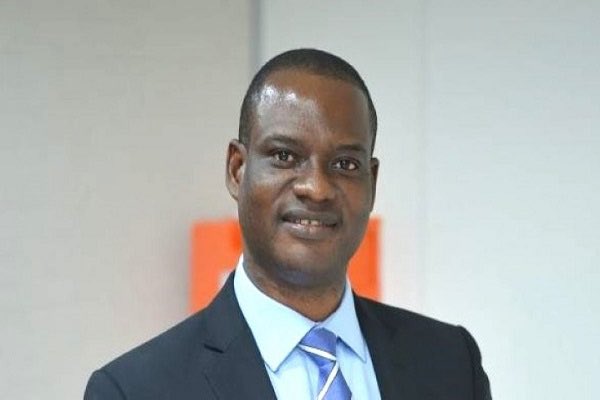
Lagos, Nigeria – As the Nigerian government continues to implement major economic reforms under the leadership of President Bola Ahmed Tinubu, the Chairman of the Presidential Committee on Fiscal Policy and Tax Reforms, Taiwo Oyedele, expressed optimism that the worst phase of Nigeria’s economic struggles is behind the country.
In a passionate speech delivered during The Platform, a major annual event organized by the Covenant Nation on Saturday, Oyedele reassured Nigerians that the country is on a path to economic recovery, citing significant strides made in the ongoing fiscal reforms.
Oyedele emphasized that one of the most crucial reforms—the removal of petrol subsidies—was an unavoidable and vital step for Nigeria. He stated, “Removing subsidies is the best decision we made as a country. And we can now say that for once, subsidy is gone.”
The subsidy removal has been a contentious topic, causing an immediate spike in fuel prices and a domino effect on the prices of goods and services across the nation. Despite the rising cost of living, Oyedele defended the policy, arguing that it was a necessary sacrifice for the long-term benefit of Nigeria’s economy.
The Illusion of Subsidy and Economic Realities
According to Oyedele, the removal of subsidies was a hard pill to swallow, but it was a decision rooted in economic reality. “We were living on window-dressed realities,” he reflected, citing the exchange rate as one example of the misleading state of Nigeria’s economy just two years ago.
“Naira exchange rate was N450 depending on who you asked, but was it really N450?” Oyedele questioned. He continued, “If you wanted to buy petrol, it was under N200 per litre, but was it really under N200 per litre?”
The fuel subsidy, he noted, masked the true cost of running the Nigerian economy. “A country can afford to sell petrol at N200 per litre if you can afford it. But there is everything wrong if you cannot afford it,” he stated, underscoring the unsustainability of such subsidies in the face of Nigeria’s mounting debt.
A Country on the Brink of Collapse?
The economic situation prior to these reforms, according to Oyedele, was dire. He painted a grim picture of Nigeria’s financial health, pointing out that the country’s GDP was significantly overstated, and per capita income was not even close to the advertised figure of $2,000 per person.
“Nigeria was doing worse than it ought to,” Oyedele remarked. “Our GDP was around N450 million dollars. We thought our per capita income is about $2,000 per person, but it was not up to that.”
At the heart of Nigeria’s economic woes, Oyedele explained, was an overreliance on borrowing to fund the nation’s expenditures. “Nigeria used all its revenue to service debts. We were not paying debts back, we were just servicing it,” he explained. This unsustainable borrowing, compounded by a high risk of default, put Nigeria on a dangerous trajectory, one that Oyedele likened to the crises faced by Sri Lanka and Venezuela.
“The outcome of what was happening was predictable. It was a Sri Lanka happening to us. It was a Venezuela,” Oyedele said, warning of the consequences of continuing the same economic policies.
He also pointed out the significant problem of Nigeria’s reliance on printing money to finance government spending, which he called the worst possible economic strategy. “We printed close to N40 trillion naira plus interest. And we were surprised there was inflation,” he added.
The Invisible Hand of Inflation
While the subsidy removal has been the most visible aspect of the economic reforms, Oyedele noted that the most significant changes are often invisible to the public. “The removal of subsidies is not seen physically. It is not something you can touch,” he explained. However, he stressed that this invisible change is at the core of the country’s fight against inflation.
The ongoing reforms have also seen airlines pulling out of Nigeria due to a backlog of foreign exchange debt. “Even some airlines stopped flying to Nigeria because of the backlog of FX debt to foreign airlines,” Oyedele noted, highlighting the ripple effects of the country’s fiscal crisis.
Despite these challenges, Oyedele urged Nigerians to remain positive about the country’s future. “There is nothing wrong with Nigeria. But maybe there is something wrong with the people ruling Nigeria,” he said, suggesting that the country’s leadership has a vital role to play in its recovery.
In a rallying cry for national optimism, Oyedele rejected the frequent pessimism surrounding Nigeria’s future. “In America, people get killed every day by gunmen. But have you ever heard Americans say, ‘May America never happen to you?'” he asked. “Let’s stop saying, ‘May Nigeria never happen to you.’ Maybe we can turn it into, ‘May Nigeria work for me.'”
A Brighter Future?
Despite the challenges, Oyedele remains hopeful. “Going by available data, I personally believe that the worst is behind us,” he concluded, reinforcing his belief in the country’s potential for recovery.
Since President Tinubu’s administration came to power in May 2023, several landmark reforms have been implemented, including the controversial removal of fuel subsidies and the introduction of new tax policies. These reforms have faced resistance, particularly due to the immediate rise in the cost of living, but Oyedele’s remarks suggest that the government believes the long-term benefits will outweigh the short-term pains.
For Nigerians, the next few years will be critical in determining whether these reforms can steer the country away from the economic brink and into a period of sustainable growth.
As Nigeria continues to grapple with the immediate effects of subsidy removal and tax hikes, the question remains: Will these painful adjustments ultimately pave the way for a stronger, more resilient economy, or will the reforms prove too costly for the average citizen?