
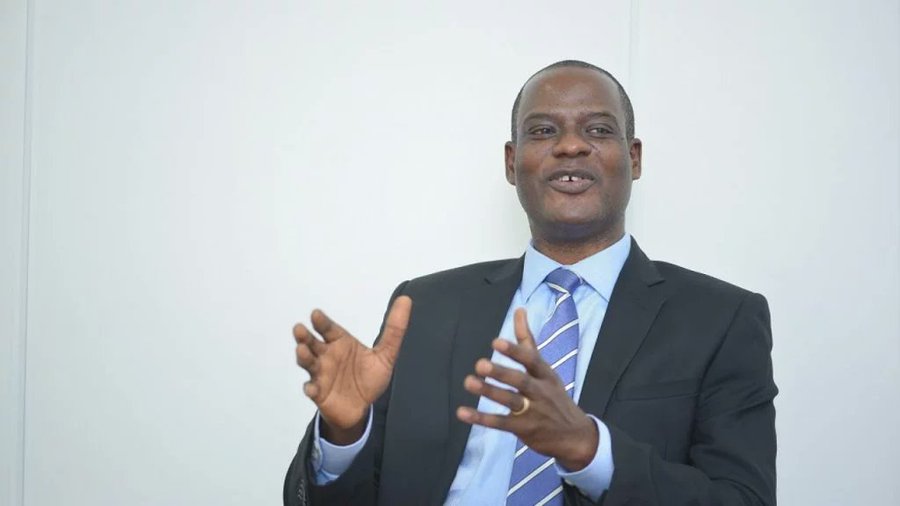
In a call for renewed optimism, Taiwo Oyedele, Chairman of the Presidential Committee on Fiscal Policy and Tax Reforms, has urged Nigerians to replace the popular but pessimistic expression “May Nigeria never happen to you” with the hopeful statement, “May Nigeria work for me.” Speaking at The Platform, an event hosted by the Covenant Nation, Oyedele emphasised the need for a shift in national mindset, especially in light of President Bola Tinubu’s controversial economic reforms.
The expression “May Nigeria never happen to you” has gained currency in recent years as a shorthand for the frustration many feel about the nation’s systemic challenges, ranging from corruption to economic instability. However, Oyedele sees this phrase as counterproductive.
“There is nothing wrong with Nigeria,” he said. “But maybe there is something wrong with the people ruling Nigeria. In America, people get killed every day by gunmen. But have you ever heard Americans say, ‘May America never happen to you?’ Let’s stop saying, ‘May Nigeria never happen to you.’ Instead, let’s flip it to ‘May Nigeria work for me.’”
Oyedele acknowledged the significant challenges Nigerians face, including inflation and the increased cost of living following recent economic adjustments. However, he expressed confidence that the worst is over and that these reforms—particularly the removal of fuel subsidies—were necessary for long-term growth.
“Removing subsidies is the best decision we made as a country,” he explained. “We can now say that, for once, subsidy is gone. We were living in a window-dressed reality where the exchange rate and fuel prices did not reflect actual market conditions.”
Citing examples of unsustainable economic practices in the past, he added, “Nigeria used all its revenue to service debts. We were not paying debts back; we were just servicing them. Everything else we did—from paying salaries to fighting Boko Haram—was funded by borrowing. This kind of dependence brought the country to the brink of economic collapse.”
Oyedele shed light on the implications of excessive money printing, which contributed significantly to inflation. “We printed close to N40 trillion, plus interest. And we were surprised there was inflation,” he said, pointing out that while some reforms like subsidy removal are intangible, their long-term benefits would gradually materialise.
Comparing Nigeria’s situation to countries like Sri Lanka, which faced severe fuel shortages and economic collapse, Oyedele said that the measures taken by the current administration have helped Nigeria avoid similar scenarios. “In Sri Lanka, there was a time when you couldn’t drive your car every day of the week because there was no fuel. This is what happens when reforms are delayed for too long,” he remarked.
By addressing these unsustainable policies, Oyedele believes Nigeria is now on a better path. “Going by available data, I personally believe that the worst is behind us,” he said confidently.
While optimistic about the nation’s future, Oyedele also underscored the need for Nigerians to adopt a positive outlook and contribute to the rebuilding process. “Nigerians don’t realize that the invisible controls the visible,” he said, stressing the importance of changing the narrative to inspire collective action.