
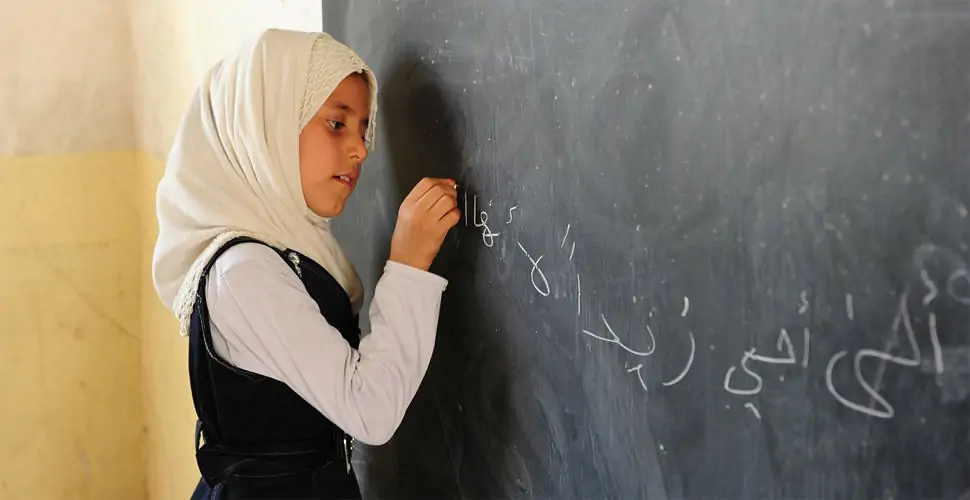
In a move that has sent shockwaves through the region, Iraq’s parliament has passed controversial legal amendments that critics say will legalise child marriage and severely undermine women’s rights. The new law, passed on Tuesday, grants greater authority to Islamic courts over family matters, including marriage, divorce, and inheritance, which many activists argue could pave the way for the return of child marriage in the country.
The amendments, largely backed by conservative Shiite lawmakers, aim to align Iraq’s legal framework with Islamic principles. However, opponents warn that the law will dismantle decades of progress in safeguarding the rights of women and girls in Iraq. It is widely feared that the legal change could bring back the practice of child marriage, particularly in communities where interpretations of Islamic law allow the marriage of girls as young as 9 years old.
Human rights activists and women’s organizations have decried the law as a backward step, one that threatens to undermine the Personal Status Law of 1959, which has long protected the rights of women by setting the minimum marriage age at 18 and offering legal protections in cases of divorce and inheritance.
“It’s a catastrophe,” said Intisar al-Mayali, a prominent human rights activist and member of the Iraqi Women’s League. “This law will destroy the future of countless girls in Iraq, robbing them of their childhood, their education, and their freedom.”
A Step Back in Time
Under the amended law, Islamic clerics are granted broader powers to make legal decisions based on their interpretation of religious texts. While Islamic law, or Sharia, is already influential in many Iraqi legal proceedings, this move hands clerics more control, particularly in the Shiite-majority regions of the country. In the Jaafari school of Islamic jurisprudence, followed by many Shiite authorities in Iraq, it is considered permissible to marry girls who have reached puberty, with some interpretations allowing marriages as young as 9 years old.
This has caused widespread alarm among human rights groups, who warn that the law could see a surge in child marriages, with devastating consequences for young girls. Al-Mayali expressed her concerns clearly: “This law will leave disastrous effects on the rights of women and girls, through the marriage of girls at an early age, which violates their right to life as children, and will disrupt the protection mechanisms for divorce, custody, and inheritance for women.”
The push for these changes has been championed by conservative lawmakers who argue that the reforms are essential to protect Iraq from Western cultural influences and align its legal system with Islamic values. Raid al Maliki, an independent MP who supported the bill, defended the amendments, stating, “This law will bring Iraq in line with our religious and cultural values.”
Protests Erupt and Parliamentary Chaos
The passage of the law was not without controversy. Protests erupted outside parliament as lawmakers debated the changes, with women’s rights groups calling for the law to be overturned. Inside the parliamentary chambers, the situation quickly descended into chaos as several legislators voiced their opposition to the process.
A parliamentary official, speaking on the condition of anonymity, revealed that the vote was marred by procedural violations, with half of the lawmakers present refusing to vote, which led to accusations of a lack of legal quorum. Some lawmakers even climbed onto the parliamentary podium in protest. “The session was not conducted properly,” the official said. “There were serious irregularities in how the vote was carried out, and this could lead to legal challenges in the Federal Court.”
Despite the uproar, Parliament Speaker Mahmoud al-Mashhadani hailed the passage of the law as a significant step forward, claiming that it would “enhance justice and organize the daily lives of citizens.” He added that the new laws would bring much-needed reforms, though it remains unclear whether these changes will be seen as a victory for Iraq’s people or a setback in the fight for gender equality.
The Broader Impact
While the child marriage law has garnered the most attention, it was not the only controversial piece of legislation passed on Tuesday. The Iraqi parliament also approved a sweeping amnesty law, which is believed to benefit Sunni detainees but also has the potential to absolve individuals involved in corruption and embezzlement scandals. The third law passed was a land restitution law, which seeks to address Kurdish territorial claims, further complicating Iraq’s already delicate political landscape.
Critics argue that these laws, passed under a cloud of controversy and without sufficient debate, could have far-reaching consequences for Iraq’s stability. Legal experts warn that the country may face significant challenges in enforcing these laws, especially if they face legal challenges or pushback from Iraq’s diverse communities.
The legal changes come at a time when Iraq is already grappling with serious security challenges. On the same day as the law was passed, a deadly explosion rocked the al-Tarmiyah district north of Baghdad, killing at least three security officers, including the national security chief, and injuring four others. The explosion occurred as Iraqi forces carried out an operation against Islamic State militants, highlighting the ongoing instability that plagues the country.
The timing of the legal changes has only added fuel to the fire of political tension, with many questioning whether the government is prioritizing the rights of women and children or pushing a divisive agenda that could exacerbate the country’s already fragile social fabric.
Looking Ahead
As the law takes effect, women’s rights organizations are preparing to launch legal challenges against the amendments, hoping to reverse the decision in the courts. The international community, too, is watching closely. The United Nations and various human rights groups have condemned the move, urging Iraq to reconsider its position.
However, with a deeply polarized political climate and powerful conservative religious factions backing the new laws, the road to overturning the amendments will be a difficult one. For now, the fate of countless young girls in Iraq hangs in the balance, with the future of women’s rights in the country uncertain.