
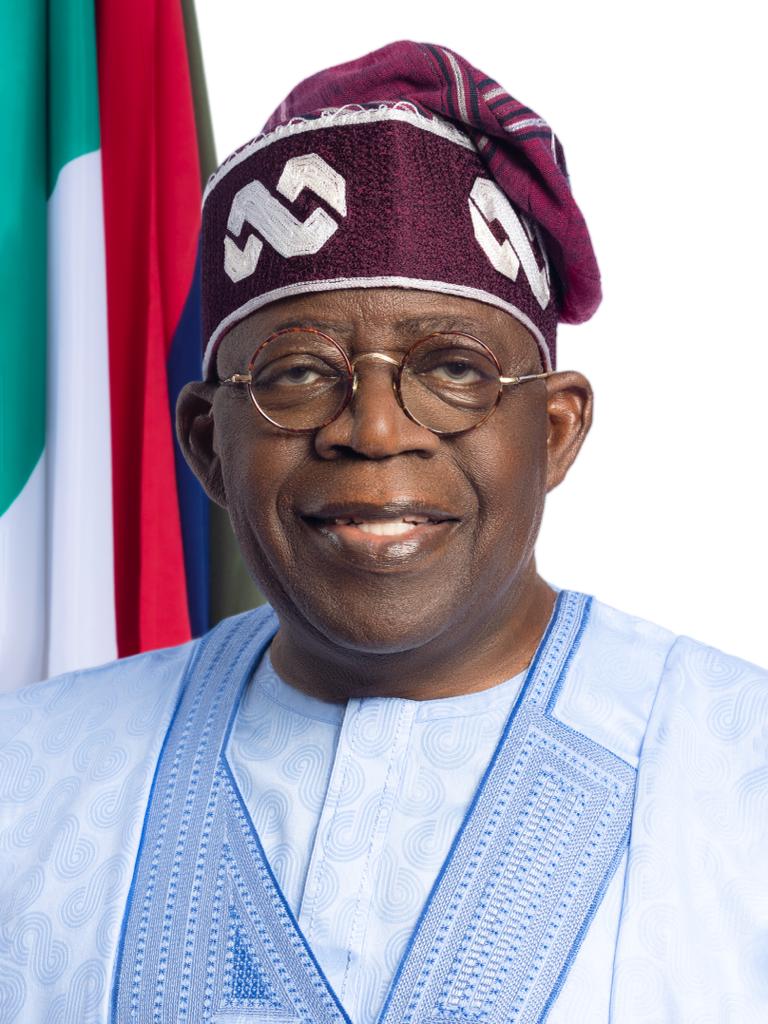
President Bola Tinubu has rejected the National Population Commission’s (NPC) proposal for a staggering N942 billion budget for the exercise. The proposal, which was presented to the President on February 24, 2025, has been met with strong concerns over its excessive cost, prompting Tinubu to call for a major review.
During a meeting with top NPC officials at the State House, President Tinubu made it clear that while he was committed to the much-needed census, the proposed budget was simply too high. Instead, he insisted on a more cost-effective approach, suggesting that cost-cutting measures be introduced to bring the overall budget down. One of the key suggestions from the President was to deploy members of the National Youth Service Corps (NYSC) across the country to assist with the data collection process.
The proposed N942 billion budget for the census is nearly one trillion naira, a figure that many officials, including President Tinubu, believe is excessive. According to sources who were privy to the discussions, the President acknowledged the importance of conducting the census but stressed that the nation’s current financial situation necessitated drastic cuts to the proposed cost.
“The main issue from that meeting was that the money they were proposing was quite much. It is around N942bn. That is almost N1 trillion. And the President felt that it was too much,” one government official said, speaking anonymously to Saturday PUNCH. “He wants the census to happen, but the cost must come down.”
This view was further highlighted by President Tinubu himself, who noted that the census could not proceed with such an expensive price tag. “This stop-and-go activity on the census cannot work with me. So, we better have a definite path,” he said in a statement.
As part of his effort to bring the census cost down, President Tinubu has proposed the formation of a special committee to review the budget and make adjustments where necessary. The committee is expected to evaluate the feasibility of the proposed cost and identify areas where savings can be made. However, the specific members and structure of the committee remain unclear at this stage.
“We must ascertain who we are, how many we are, and how to manage our data,” Tinubu remarked, emphasising the importance of accurate data for effective governance. He also stressed that a reliable census would support critical areas such as employment planning, food security, and agricultural policy.
Sources indicate that this committee will include representatives from various agencies, such as the National Identity Management Commission (NIMC), the National Bureau of Statistics (NBS), and other identity verification and data management organisations. While the committee’s full composition is still being finalised, it is expected to play a pivotal role in determining the revised census cost.
One of the most notable suggestions made by President Tinubu to reduce the census cost was the involvement of NYSC members. “He was even suggesting that they recruit youth corps members to make it cheaper,” an official revealed. By deploying NYSC members to participate in the data-gathering process, the government hopes to reduce the personnel costs associated with conducting the census.
The idea of involving youth corps members in national projects is not new. In previous years, the NYSC has been used for various government initiatives, including elections and public health campaigns. However, using them for such a large-scale project like the national census would require careful planning and coordination to ensure accuracy and effectiveness.
The importance of an accurate and timely census cannot be overstated. Nigeria’s last population and housing census was conducted in November 2006, and since then, the country has faced several challenges in conducting a new census. In recent years, delays and logistical hurdles have hindered the completion of the exercise, with the most recent attempt in 2023 being postponed due to issues such as budget constraints, political transitions, and the global impact of the COVID-19 pandemic.
In his remarks during the meeting with NPC officials, President Tinubu stressed that an accurate census is critical for national planning. Without reliable data, the government cannot effectively allocate resources or plan for vital areas such as employment, healthcare, agriculture, and infrastructure development. The census will also play a crucial role in addressing challenges such as food sovereignty and ensuring that government incentives, like the distribution of fertilisers, are based on accurate demographic information.
“We must work on our financial muscle well in place to lift our burden before we go and meet development partners for the census,” Tinubu said. He also emphasised that biometric capture, including facial and voice recognition, should be central to the process to improve the accuracy of the data collected.
Despite the budget concerns, the NPC has made significant investments in modern technology to enhance the accuracy and transparency of the census process. One of the key technological advancements is the use of digital mapping and biometric data collection tools. The NPC has acquired 760,000 tablets, which have been stored at the Central Bank of Nigeria, and the Commission is also working to partner with development organisations to ensure the successful conduct of the census.
However, the success of the census still faces significant challenges. These include insecurity in certain regions of the country, inadequate funding, and difficulties in capturing data on highly mobile populations, such as internally displaced persons (IDPs). Despite these hurdles, the government is determined to press forward with the process and ensure that the census is conducted as soon as possible.