
Two Nigerian nationals have recently been arrested in Thailand for drug-related offenses and reckless driving, adding to the growing concerns about illegal drug trade activities and criminal behavior by foreign nationals in the country.
In a significant bust, Mbanaso, a 32-year-old Nigerian man, was arrested on Monday, March 10, 2025, for selling cocaine to a local tourist. The arrest came after the Swiss tourist, identified only as Mr. Sascha, confessed to Thai authorities that he had bought the drug from Mbanaso several times. Sascha voluntarily entered a drug rehabilitation program and provided details to the police, which led to the arrest of Mbanaso.
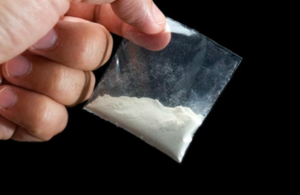
According to reports from Khasod, a Thailand media outlet, Sascha informed police that he had been purchasing the cocaine through WhatsApp messages, with payments made via bank transfers. The tourist’s confession prompted a swift investigation by the Kamala Police, who set up a sting operation to catch Mbanaso in the act. The suspect was arrested at 9:40 p.m. near the entrance of the Kamala Police Station with 0.82 grams of cocaine in his possession.
Mbanaso now faces serious charges under Thai drug laws. He is accused of distributing Category 2 narcotics, which carries a penalty of up to two years in prison, a fine of up to 40,000 baht (approximately 1,100 USD), or both. The case has sparked concerns about the involvement of foreign nationals in the illegal drug trade in Thailand, particularly as tourists from abroad often become entangled in such activities.
Just days after Mbanaso’s arrest, another Nigerian national, identified only as George, was detained for illegal possession of cocaine and reckless driving. The Phuket City Police received reports on the night of March 11 that a Mazda car was being driven erratically, spinning in circles at traffic lights near the Koh Kaew and Darasamut intersections. Police attempted to pursue the vehicle, but the suspects managed to evade officers for a short while as they sped along the Chaloem Phra Kiat Rama 9 Bypass Road toward Central Junction.
The police eventually managed to stop the vehicle, and both George and his unidentified accomplice were arrested. Upon investigation, it was revealed that George was an illegal resident in Thailand. He had overstayed his visa and was on the wanted list for possessing cocaine. Furthermore, the suspect appeared to be intoxicated and uncooperative with the authorities during the arrest. Despite the police using translation applications, George and his companion were unable to communicate effectively in English.
The case of George also highlights a growing concern in Thailand about illegal immigration, as many foreign nationals have been caught overstaying their visas and becoming involved in criminal activities. The Thai government has been tightening immigration regulations and increasing surveillance on illegal residents, particularly those involved in drug trafficking and other illegal activities. Authorities have also been working to curb the use of narcotics by tourists and locals alike, implementing stricter laws and enforcement measures to control the spread of illegal substances.
Both Mbanaso and George’s arrests highlight the continued challenge posed by foreign nationals involved in criminal behavior in Thailand. Law enforcement agencies are under increasing pressure to tackle these issues, as they impact the country’s reputation as a popular tourist destination. The arrests also serve as a reminder of the risks posed by the illegal drug trade and reckless behavior by foreigners in the country.