
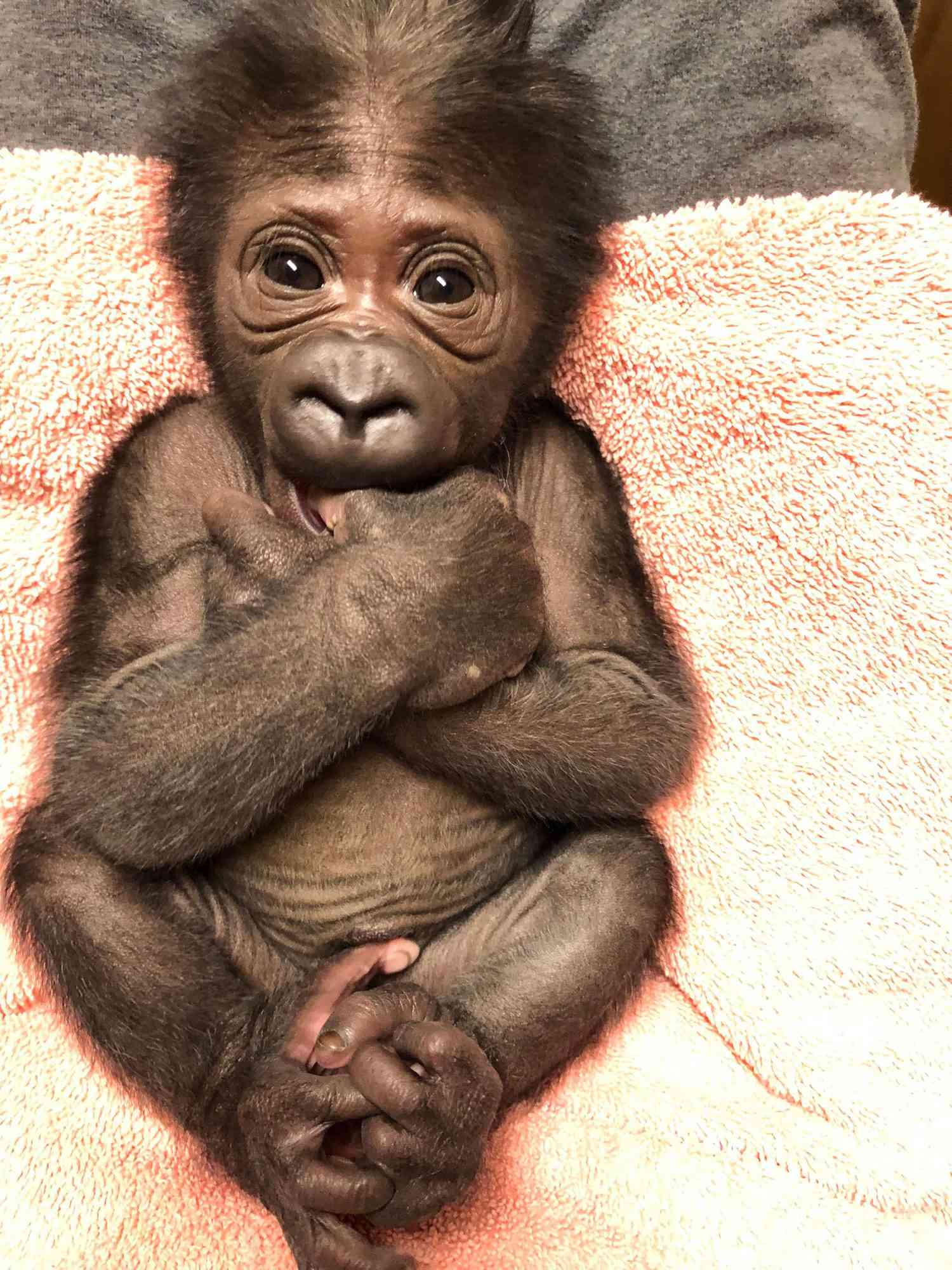
The Nigerian government has announced a collaboration with Turkish authorities for the safe return of an endangered baby gorilla that was intercepted at Istanbul Airport on December 22, 2024. The gorilla had been illegally smuggled from Nigeria and was en route to Bangkok, Thailand, when it was discovered by Turkish customs officers during a routine inspection.
According to a statement issued by Kimiebi Ebinefa, spokesperson for Nigeria’s Ministry of Foreign Affairs, the baby gorilla was found in the luggage of suspected traffickers who had attempted to ship it out of the country. The gorilla, classified as critically endangered, is listed under Appendix I of the Convention on International Trade in Endangered Species of Wild Fauna and Flora (CITES), making any trade in this species illegal unless done for specific conservation or scientific purposes.
The illegal trafficking of wildlife, particularly endangered species, is a serious crime that violates both national and international laws. This recent smuggling attempt highlights the ongoing threat to global biodiversity and the protection of species that are on the verge of extinction.
The Nigerian government has expressed gratitude to the Turkish authorities for their swift intervention in halting the illegal transport of the baby gorilla. The Ministry of Foreign Affairs confirmed that they are working closely with Turkish officials to ensure the safe repatriation of the animal to Nigeria.
The Nigerian government has pledged to take stronger action to prevent future wildlife trafficking incidents. Relevant Nigerian law enforcement agencies, including the Federal Ministry of Environment and the Nigerian Agricultural Quarantine Service, are currently investigating the origin of the smuggling attempt. Efforts will be made to hold the individuals responsible for the illegal act accountable for their actions.
Additionally, Nigerian authorities are reviewing security measures at airports, seaports, and land borders to tighten surveillance and prevent further wildlife trafficking. The government has assured the public that steps will be taken to strengthen enforcement against wildlife smuggling and ensure that perpetrators are dealt with according to the law.
The Nigerian government’s commitment to biodiversity conservation and the protection of endangered species remains steadfast. Wildlife trafficking is a major threat to the survival of many species and efforts to protect these animals are in line with global environmental treaties, including the CITES agreement. Nigeria has vowed to take proactive steps to preserve its natural heritage and to protect endangered species from illegal exploitation.
The baby gorilla was discovered in a distressed condition at Istanbul Airport after Turkish authorities conducted a routine inspection of cargo shipments. The traffickers had attempted to smuggle the animal by concealing it in a package and sending it via air freight, most likely in the hope of avoiding detection. The gorilla was to be transferred to Bangkok, Thailand, a location known for its illegal wildlife trade.
Once the gorilla was found, Turkish authorities immediately took action and contacted Nigerian officials, ensuring the animal’s safety and securing it from further harm. Experts were called in to assess the health of the animal, and it was placed under the care of animal welfare professionals. In the aftermath of the discovery, Nigerian and Turkish authorities began working together to ensure the proper legal steps were followed for the safe return of the gorilla to Nigeria.
The illegal wildlife trade is a multibillion-dollar industry that affects numerous species around the world. Many endangered animals, including primates like gorillas, are at risk of being trafficked for various purposes, such as private collections, entertainment, and even for illegal medicinal use. The exploitation of these animals, often in cruel and dangerous conditions, further threatens the survival of these species, many of which are already on the brink of extinction.
Nigeria, as one of the largest countries in Africa, has a significant role to play in the protection of wildlife and natural resources. The country is home to several endangered species, including the Nigerian chimpanzee, the African elephant, and the Cross River gorilla. These species are under threat from habitat loss, poaching, and illegal wildlife trafficking, which have contributed to the decline in their populations.
In response to these challenges, the Nigerian government has committed to strengthening its conservation efforts and improving enforcement of environmental protection laws. In recent years, there has been a growing recognition of the importance of preserving biodiversity for future generations. This includes working with international partners, such as the Convention on International Trade in Endangered Species (CITES), to address the global threat of wildlife trafficking.
The Nigerian government has also stepped up efforts to educate the public about the dangers of wildlife trafficking and the importance of preserving endangered species. By raising awareness and working with international partners, Nigeria hopes to combat the illegal wildlife trade and contribute to the global effort to protect biodiversity.
The successful interception of the smuggled baby gorilla at Istanbul Airport is a testament to the importance of international cooperation in addressing wildlife trafficking. Both Nigeria and Turkey have demonstrated a commitment to protecting endangered species and preventing the illegal trade that threatens their survival.
This collaboration is not only a victory for wildlife protection but also highlights the increasing role of countries around the world in combating transnational crimes like wildlife trafficking. Global cooperation is crucial in tackling this illegal industry, which often operates across borders and involves multiple countries. Working together, countries can share intelligence, resources, and expertise to disrupt trafficking networks and bring perpetrators to justice.
The case of the baby gorilla serves as a reminder of the critical need to protect endangered species from the threat of illegal trade. Species like gorillas, which are classified as critically endangered, face the dual threat of poaching and habitat destruction. Conservation efforts are essential to ensuring that future generations will have the opportunity to witness these incredible creatures in the wild.
The Nigerian government has emphasized that protecting endangered species is not only a legal and moral obligation but also vital for maintaining the ecological balance of the country. Wildlife plays a crucial role in preserving the health of ecosystems and contributing to the overall well-being of the environment.
As Nigeria continues to work with international partners like Turkey to safeguard its natural heritage, the government has reaffirmed its commitment to cracking down on illegal wildlife trafficking and ensuring that those responsible for these crimes are held accountable.