
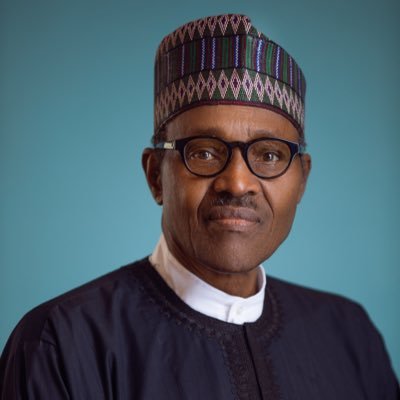
Former President Muhammadu Buhari, GCFR, has passed away in a private clinic in London, United Kingdom, where he had been undergoing medical treatment for an undisclosed illness. He was 81.
The announcement of his death was made by his longtime spokesperson, Mallam Garba Shehu, in a brief statement on Sunday afternoon.
“Inna lillahi wa inna ilaihi raji’un. The family of the former president has announced the passing on of the former president, Muhammadu Buhari, GCFR, this afternoon in a clinic in London. May Allah accept him in Aljannatul Firdaus, Amin,” the statement read.
Buhari had been in London receiving medical treatment in recent weeks, with reports confirming that Vice President Kashim Shettima visited him during his stay. According to sources, Shettima made the trip to London penultimate Sunday and met Buhari the following day. He also reportedly visited former Head of State, Gen. Abdulsalami Abubakar.
Although government officials had earlier described the Vice President’s trip as a private visit, there had been growing concerns over Buhari’s health, especially after reports emerged that he had been admitted to an Intensive Care Unit (ICU) in the early days of his treatment. Garba Shehu later stated that Buhari was “in recovery mode” and responding well to treatment.
However, little information was shared afterward until the sudden news of his passing surfaced on Saturday.
A Long Battle with Ill Health
Muhammadu Buhari’s health had been a recurring concern for many Nigerians during his time in office as President of Nigeria from 2015 to 2023. He frequently traveled abroad, especially to London, for medical check-ups, the details of which were rarely made public.
In 2017, just two years into his first term, Buhari spent over 100 consecutive days in London receiving treatment for an undisclosed ailment. This sparked nationwide debate and concern about his ability to govern effectively. Subsequent trips in 2018 and 2021 for further medical attention only deepened those concerns.
During those periods, then-Vice President Yemi Osinbajo acted as President in line with constitutional provisions. Despite calls for greater transparency regarding the state of the president’s health, the Presidency remained tight-lipped about the exact nature of his illness.
Last Public Years and Retirement from Politics
After completing his second term in May 2023, Buhari retired from active politics. In one of his last interviews as President, he said he was eager to return to his home in Daura, Katsina State, and live a quiet life away from Abuja and the responsibilities of national leadership.
“From May 29, I will be far away from Abuja,” Buhari said in a 2023 interview, indicating his desire to distance himself from national political matters after handing over to President Bola Tinubu.
In retirement, Buhari remained largely out of the public eye, only occasionally making statements through his aides or receiving visits from high-profile figures at his Daura home or while in London.
Reactions and Condolences
Although official government tributes are still expected, the announcement of Buhari’s death has begun to draw emotional reactions across Nigeria, especially from political allies and followers in the North.
Garba Shehu’s statement, though brief, reflected the shock and sorrow that has followed the news. Many on social media platforms, particularly X (formerly Twitter), have started posting prayers for Buhari and tributes to his legacy.
More detailed reactions from President Bola Ahmed Tinubu, the National Assembly, state governors, and international leaders are expected in the coming hours and days.
Buhari’s Legacy
Born on December 17, 1942, in Daura, Katsina State, Muhammadu Buhari first served as Nigeria’s Head of State after a military coup in December 1983, ruling until he was ousted in another coup in 1985.
He returned to power as a civilian president in 2015 under the platform of the All Progressives Congress (APC), defeating incumbent Goodluck Jonathan in a historic election.
Buhari’s presidency was marked by efforts to fight corruption, improve national security—particularly the fight against Boko Haram—and revamp infrastructure. However, his administration was also heavily criticized for rising insecurity, economic hardship, and a perceived lack of responsiveness to public outcry.
Despite controversies, he remained an influential figure in Nigerian politics even after his exit from power.