
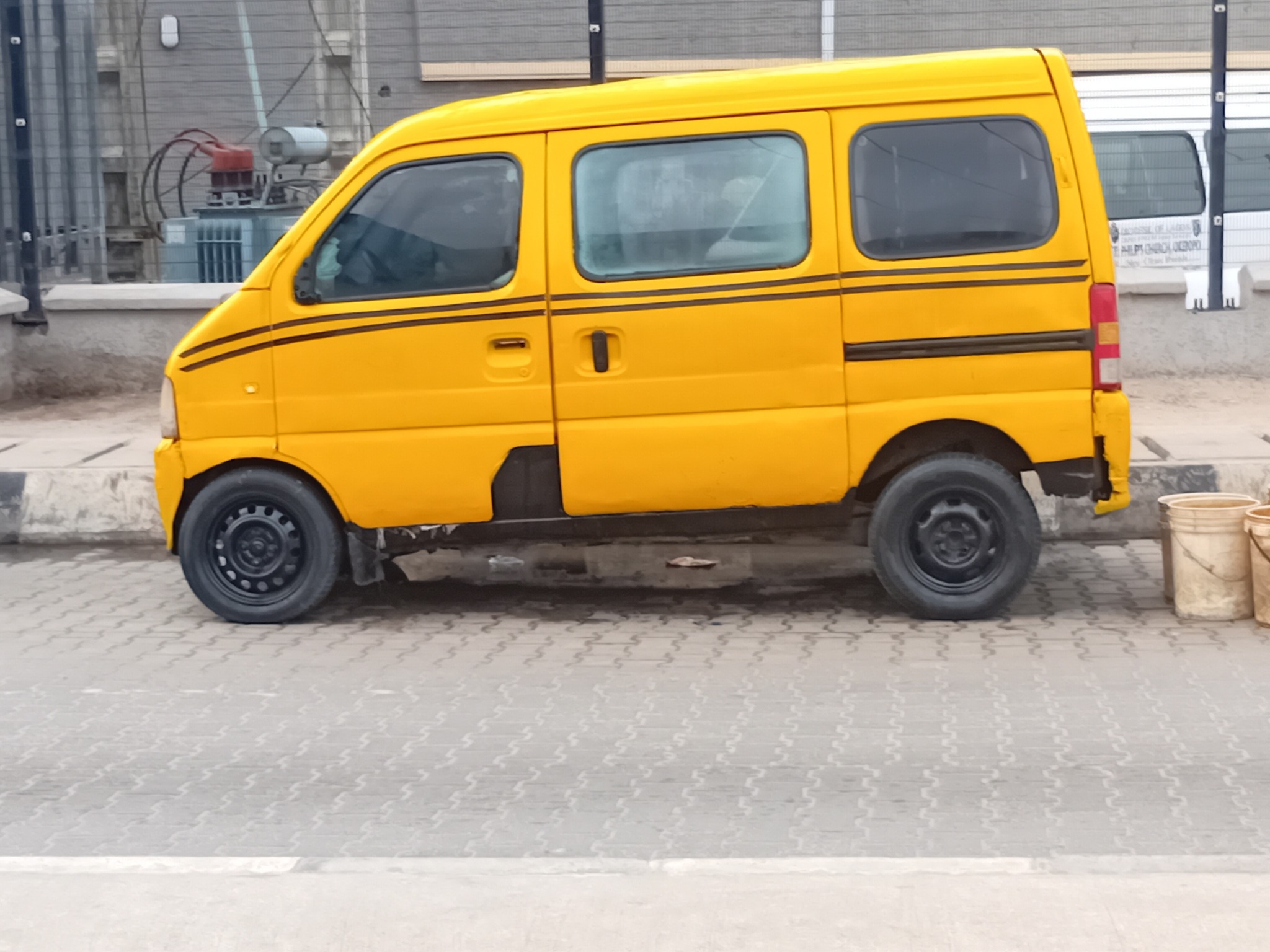
The Lagos State Government has announced plans to gradually withdraw small commercial buses, popularly known as korope, from major highways as part of a wider effort to modernise the public transport system and improve commuter safety.
The announcement came during a stakeholder meeting held ahead of the launch of the Lekki–Epe Bus Reform Scheme, which is scheduled to commence operations on December 8, 2025. The meeting brought together representatives from the Ministry of Transportation, the Lagos Metropolitan Area Transport Authority (LAMATA), and informal transport operators to finalise arrangements for the first phase of the initiative.
According to Kolawole Ojelabi, Head of Corporate Communications at LAMATA, the Special Adviser on Transportation, Sola Giwa, presided over the meeting and outlined the government’s long-term goal of removing unsafe and unregulated vehicles from high-traffic routes and replacing them with a more efficient, coordinated system.
“We need to take a lot of bad buses off the road. The Lekki–Epe Expressway is not isolated. We are working on other major transit corridors,” Giwa said. He added that small buses, or korope, would be reassigned to feeder and community routes to support the First and Last Mile bus scheme, which aims to make public transport more accessible within neighbourhoods.
The Lekki–Epe Bus Reform Scheme will initially operate on major transport corridors including Ajah–CMS (Marina)/Obalende, Ajah–Oshodi, Ajah–Berger, and Ajah–Iyana Ipaja, with plans to extend services to Epe at a later stage.
Under the new arrangement, existing operators on the corridor will continue stage-carriage services, while Oneness, a cooperative group of the National Union of Road Transport Workers (NURTW), has been approved to operate express services between Ajah, Oshodi, and Berger.
All buses participating in the scheme will display Lagos State’s official blue-and-white regulated colours. They will also carry quick-response (QR) codes for verification, unique identification numbers, and Touch and Pay (TAP) stickers. Drivers will be required to wear official Ministry of Transportation badges, further enhancing accountability and compliance with regulations.
A total of 229 medium- and high-capacity buses will operate during the first phase of the reform. Passengers will be required to use the Cowry Card electronic system for fare payments, and cash transactions will no longer be permitted on these corridors. Giwa warned that any transport operator or passenger involved in cash payments could face arrest and prosecution.
The government explained that these measures are aimed at improving passenger comfort, ensuring safer journeys, and creating a more reliable public transport system for Lagos residents.
Lagos, Nigeria’s commercial hub, has long struggled with transport challenges, including traffic congestion, unregulated commercial vehicles, and unsafe road practices. Small buses, known locally as korope or “danfo mini-buses,” have been central to the city’s transport system but are often associated with reckless driving, frequent accidents, and overcrowding.
Efforts to modernise Lagos public transport date back several years, with LAMATA and the Lagos State Ministry of Transportation introducing initiatives such as the Bus Reform Scheme, the Blue Bus system, and various Bus Rapid Transit (BRT) corridors. Despite these efforts, informal operators have continued to dominate key routes, leading to inconsistent services and safety concerns.
The Lekki–Epe Bus Reform Scheme is the latest step in this ongoing effort to formalise public transport. By introducing fully regulated, electronic fare-based systems and assigning small buses to community feeder routes, the state hopes to reduce accidents, improve traffic flow, and enhance commuter experiences.
The new system also introduces a level of digitalisation that is new for Lagos public transport. The QR codes and TAP payment system allow for more accurate monitoring of passenger numbers and revenue collection, reducing the reliance on cash and limiting opportunities for fraud.
Passengers on the new corridors can expect cleaner, safer, and more comfortable buses. They will no longer have to deal with overcrowding or unregulated operations. With clearly marked buses, electronic fare systems, and assigned drivers, commuters will also benefit from increased accountability and easier access to transport information.
The reassignment of small buses to feeder routes is expected to improve connectivity within local communities. Residents in less-served areas will have better access to major highways and transport hubs, completing the “first and last mile” of journeys in a safe and regulated manner.
The launch of the scheme underscores the importance of cooperation between government agencies and transport operators. By involving the NURTW and other transport groups in regulated services, the government aims to reduce resistance from informal operators and encourage compliance with the new regulations.
Giwa highlighted that the partnership is critical for the success of the scheme. “We are working with all stakeholders to ensure smooth operations and compliance. Our goal is to create a modern transport network that benefits everyone,” he said.
The first phase of the Lekki–Epe Bus Reform Scheme marks a significant step toward transforming Lagos public transport. Officials say lessons learned from this initial rollout will inform future expansions to other major highways across the state.