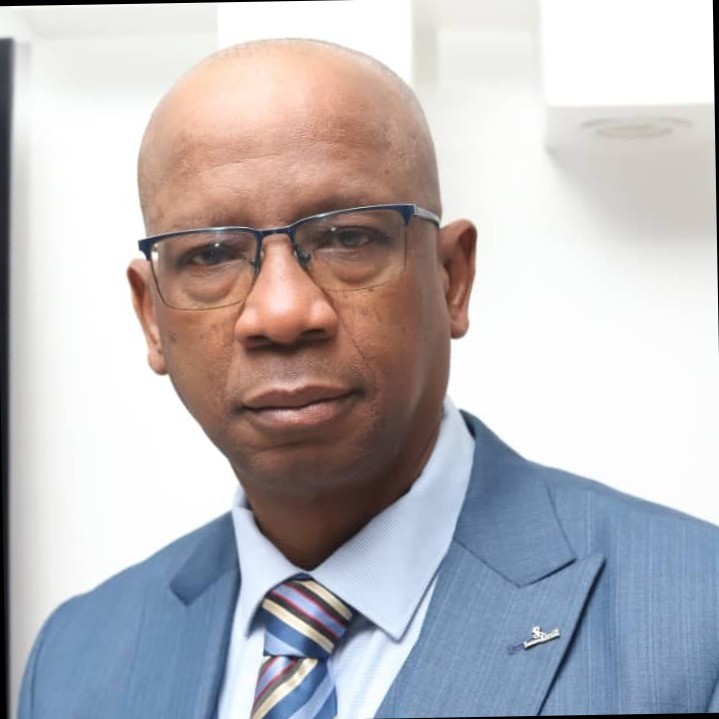
The Lagos State Government has confirmed that discussions are underway with a private investor interested in building a second privately owned refinery in the state. The disclosure was made by the Commissioner for Physical Planning and Urban Development, Dr. Oluyinka Abiodun Olumide, during an Economic Roundtable organised by the Ministry of Economic Planning and Budget’s Economic Intelligence Department. The event, held at Protea Hotel in Alausa, Ikeja, brought together government officials, economic experts, and business leaders to discuss the state’s investment outlook and development priorities.
Dr. Olumide said Lagos continues to attract large-scale industrial and petrochemical investments, especially with the presence of the Dangote Refinery in the Lekki Free Zone. According to him, the success of the Dangote project has inspired other investors who are now exploring opportunities within the state’s expanding industrial corridor.
He confirmed that preliminary conversations have begun with a new investor who has shown interest in setting up another refinery, adding that the private sector remains the main driver of capital-intensive development in Lagos.
Dr. Olumide explained that while the government plays a major role in regulating and providing infrastructure, private investors are better positioned to lead multi-billion-naira projects such as refineries. He stressed that Lagos is committed to creating an environment that encourages investors to bring in new industries, expand existing ones, and build on the state’s economic strengths.
“These are initiatives that should rightly be powered by the private sector,” he said. “Government cannot take on every project, and there are viable opportunities for investors to explore. Our development plans are broad enough for private participation. You can see what Dangote has achieved in Lagos, and now another investor is coming in. Very soon, the refinery will have a competitor. Discussions have already begun on establishing an additional private refinery.”
His comments highlight the state government’s long-term plan of expanding industrial output, attracting fresh investment, and strengthening its position as Nigeria’s economic hub.
Over the past decade, Lagos has seen increasing private investment in infrastructure, manufacturing, and energy. The Dangote Refinery, one of the largest in Africa, has been a major turning point for both the state and the country’s oil and gas sector. Its presence has drawn global attention and triggered interest from other investors who see Lagos as a favourable environment for large-scale industrial operations.
The state’s free zones, seaports, and improving logistics infrastructure have made it an attractive destination for companies looking to establish operations closer to Nigeria’s commercial and consumer base. Dr. Olumide noted that the state has crafted its physical planning policies to welcome major developments, especially those that can generate employment, expand local production, and reduce the burden on federal infrastructure.
He said the government is intentional in designing policies that support large capital projects. These include land allocation mechanisms, urban planning reforms, infrastructure coordination, and environmental regulations.
If established, the proposed new refinery could have far-reaching economic benefits for Lagos and the rest of the country. Nigeria has struggled for decades with insufficient refining capacity, forcing the nation to rely heavily on imported fuel despite being one of Africa’s biggest crude oil producers. This has affected the cost of petrol, diesel, aviation fuel, and other petroleum products. It has also contributed to repeated fuel shortages and foreign exchange pressure.
A second private refinery in Lagos could help reduce import dependence, stabilize local supply, and provide more competition within the downstream sector. It may also help create thousands of direct and indirect jobs, attract new businesses in the petrochemical value chain, and strengthen the state’s revenue base.
Dr. Olumide said Lagos sees such investments as crucial for its long-term economic growth. “Our physical planning framework is designed to support developments that strengthen the energy sector, create jobs, and broaden Lagos’ industrial capacity,” he said.
Strategic location: The state hosts Nigeria’s busiest ports, a major gateway for import and export activities.
Large consumer base: As the country’s most populated state, Lagos provides immediate access to millions of consumers.
Industrial infrastructure: Free trade zones, industrial parks, and logistics corridors make it easier for companies to operate.
Policy support: The Lagos State Government has positioned itself as pro-business, constantly updating its regulations to speed up approvals and reduce bottlenecks.
Existing investments: Major projects like the Lekki Deep Seaport, Dangote Refinery, and various industrial clusters continue to attract supporting industries.
These factors contribute to Lagos’ standing as one of the most competitive subnational economies in Africa.
The Economic Roundtable where the announcement was made focused on strengthening Lagos’ economic planning and preparing the state for new waves of investment. Panels discussed issues such as industrial development, infrastructure financing, job creation, and environmentally sustainable planning.
Stakeholders expressed confidence that Lagos can continue to lead Nigeria in industrial growth if the government maintains policies that support private sector participation.
According to officials, more announcements regarding new partnerships and investments may be made next year as discussions with domestic and foreign investors progress.
With early talks underway, the identity of the new refinery investor has not yet been disclosed. However, state officials say more details will be released once the planning process advances and regulatory approvals begin.
The Lagos State Government has pledged to continue improving the ease of doing business, streamlining planning approvals, and ensuring that the state remains the top destination for industrial investment in Nigeria.

