
The Federal Government has announced a sharp decline in malaria transmission in Lagos State, raising hopes that Nigeria could be on the path toward eliminating the deadly disease. According to the government, sustained investments in prevention, testing, and treatment have produced strong results, especially in Lagos, which is now described as being in the “pre-elimination” stage of malaria control.
The Minister of Health and Social Welfare, Professor Ali Pate, disclosed this on Sunday during an interview on Channels Television’s Politics Today. He said Lagos has become a clear example of how proper planning, strong leadership, and coordinated health actions can greatly reduce malaria cases.
“In our fight against malaria, tools such as treated bed nets, seasonal preventive medicine for children, and effective case management are key. Lagos, for example, is now in the pre-elimination stage,” Pate said.
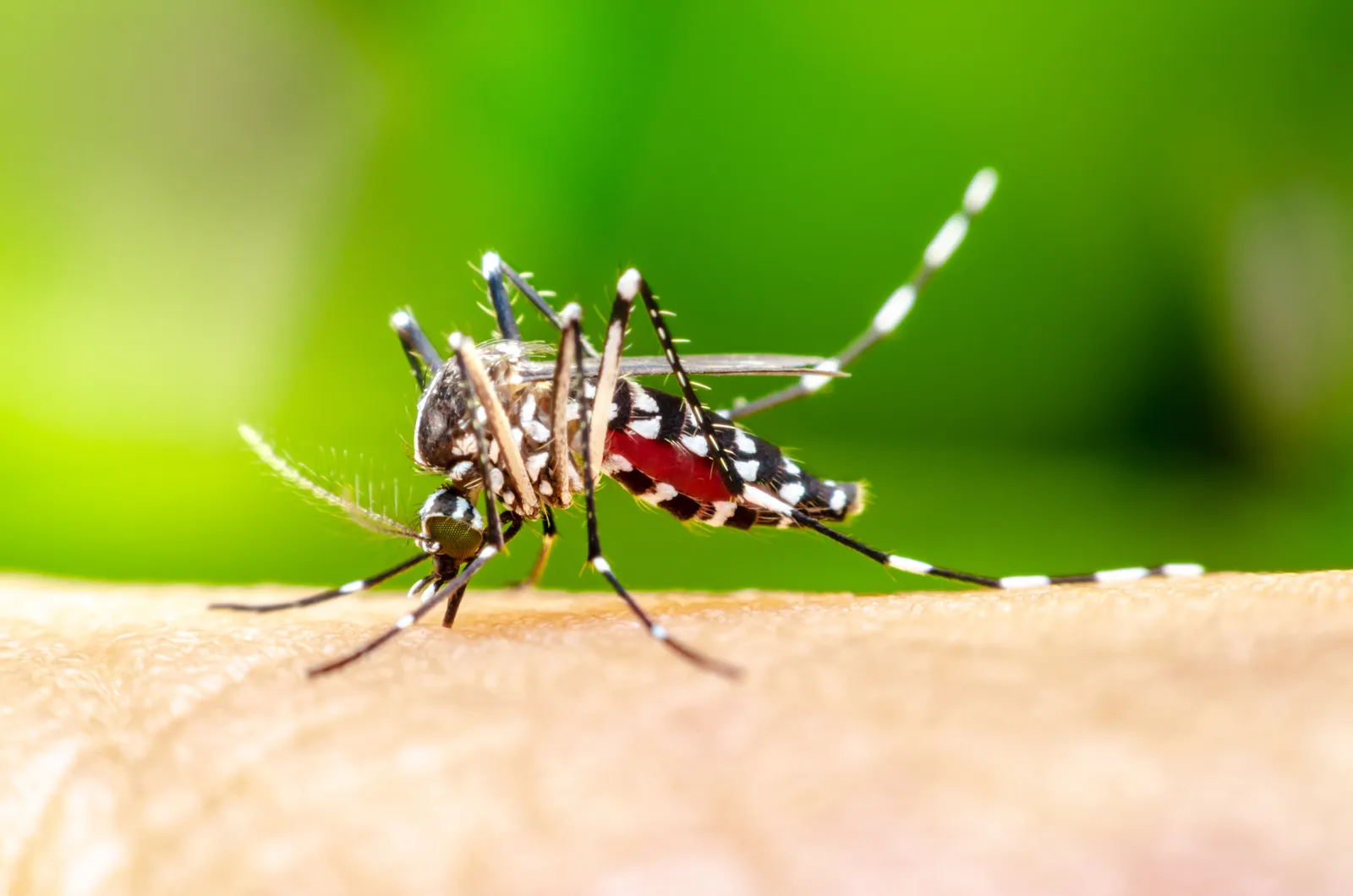
Malaria remains one of Nigeria’s biggest public health challenges. The disease, which is spread by mosquitoes, has for decades caused millions of illnesses and thousands of deaths each year, especially among children under five and pregnant women. Nigeria is known to carry one of the highest malaria burdens in the world, accounting for a large share of global cases and deaths.
For many years, Lagos State also recorded high malaria rates due to its large population, crowded urban settlements, and poor drainage systems that encourage mosquito breeding. However, recent data shows a major improvement.
According to the minister, Lagos now records a malaria positivity rate of less than five percent. This means that fewer than five out of every 100 people tested for malaria actually have the disease. This is a sharp drop from earlier years when positivity rates were close to 90 percent.
“Lagos now records a malaria positivity rate of less than 5 percent, a remarkable drop from the nearly 90 percent seen in the past,” Pate said. “This shows what is possible through expanded case management, routine testing, and measures that reduce mosquito breeding.”
The minister credited Lagos State’s success to several key actions. These include wide distribution of insecticide-treated bed nets, regular testing of patients, prompt treatment of confirmed cases, and environmental measures to reduce stagnant water where mosquitoes breed.
In recent years, Lagos has increased efforts in environmental sanitation, drainage clearing, and waste management. These actions help to reduce mosquito breeding sites, especially in densely populated areas.
Beyond bed nets and medicines, the Federal Government is also introducing new mosquito control methods. Professor Pate said the government has approved the use of larvicides, chemicals that kill mosquito larvae before they grow into adult mosquitoes.
“At the recent National Council on Health meeting in Calabar, we approved the use of larvicides to reduce mosquito larvae. This adds another tool to our malaria control efforts,” he said.
Larviciding targets water bodies such as gutters, ponds, and drains where mosquitoes lay their eggs. Health officials believe this approach will help reduce mosquito numbers, especially in urban areas like Lagos.
The minister also revealed that Nigeria’s efforts are gaining attention beyond its borders. According to him, international malaria experts recently visited the country to review its progress.
“Just this past Friday, the advisory group on malaria elimination visited Nigeria. They reviewed our strategies and progress and commended the government’s efforts, putting Nigeria ahead of other countries in the region,” he said.
This recognition is important because Nigeria’s success is seen as key to global malaria elimination. Experts have often said that without major progress in Nigeria, global malaria targets will be difficult to achieve.
Despite the progress, Professor Pate warned that serious challenges remain. One of the major issues, he said, is Nigeria’s fast-growing population. While population growth is a sign of development, it also means more people are at risk of malaria infection.
“Population growth continues, which is positive in general, but it presents additional challenges for malaria control,” he said.
He also pointed to climate change as a growing threat. Changes in rainfall patterns and rising temperatures can increase mosquito breeding and extend malaria transmission beyond the usual rainy seasons.
“Changing climate and rainfall patterns could expand malaria transmission beyond traditional seasonal cycles,” the minister warned.
Another concern raised by the minister is drug and insecticide resistance. Over time, malaria parasites can become resistant to medicines, while mosquitoes can develop resistance to insecticides used in bed nets and spraying.
According to Pate, poor use of malaria drugs, self-medication, and weak regulation contribute to this problem. He stressed the need for Nigerians to test before treatment and to complete prescribed doses of malaria medicine.
Health officials say that while Lagos has made strong progress, other states must also improve their malaria control efforts. The Federal Government continues to work with state governments, development partners, and donor agencies to expand successful strategies nationwide.
For many Nigerians, malaria remains a common illness that affects work, school, and family life. Reducing its spread not only saves lives but also improves productivity and reduces health costs.
Professor Pate said the government remains committed to its goal of malaria elimination, adding that the progress seen in Lagos shows that the goal is achievable with the right policies and sustained effort.