
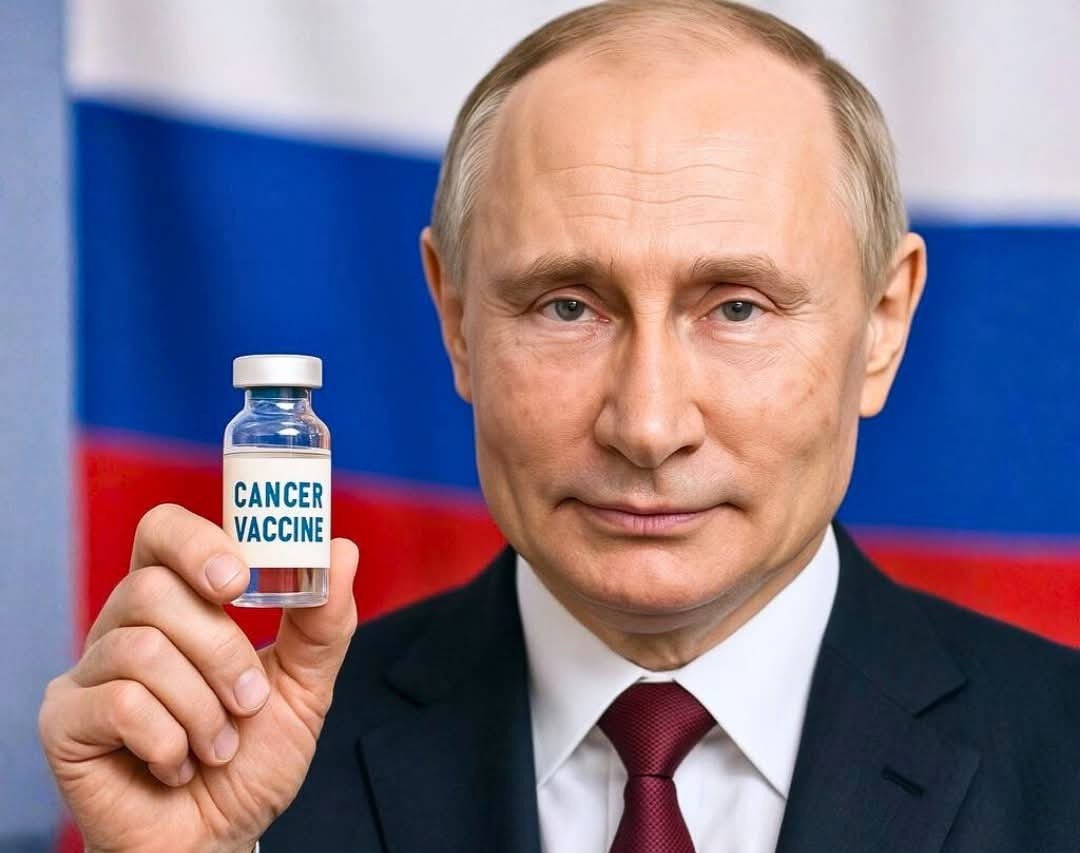
In a development that has captured global attention, Russia has confirmed that a new cancer vaccine will soon be made available free of charge to patients around the world. The announcement comes after promising results from early clinical trials, which suggest that the vaccine can significantly slow tumor growth, reduce relapse rates, and strengthen the body’s long-term immunity against various types of cancer.
Officials say the vaccine targets specific molecular markers found on tumor cells, training the immune system to recognize and destroy cancer before it spreads. This innovative approach represents a significant shift from traditional cancer treatments such as chemotherapy and radiation, which often come with severe side effects and do not always prevent recurrence.
Scientists explain that the vaccine functions by activating specialized immune cells that normally struggle to detect cancer. Once administered, the vaccine effectively “flags” malignant cells, allowing the immune system to launch a focused and aggressive attack. Unlike conventional treatments that often harm healthy cells, this vaccine is designed to work with the body’s natural defenses, potentially offering safer and more sustainable treatment outcomes.
Early trials have shown that patients receiving the vaccine experience slower tumor progression, fewer relapses, and enhanced immunity that can target multiple cancer types. Researchers are optimistic that this approach could not only treat existing cancers but also help prevent their development in high-risk individuals.
The announcement has sparked optimism worldwide, particularly in countries where cancer treatment is expensive or difficult to access. In many developing nations, including parts of Africa, high costs, limited medical infrastructure, and scarcity of specialists often restrict patients’ access to timely care. The prospect of a free vaccine could be a game-changer, helping to bridge gaps in cancer prevention and treatment globally.
Russian authorities have emphasized that the vaccine will be provided free of charge, signaling a commitment to equitable healthcare access. Officials stated that the initiative aims to ensure that neither income nor geographical location limits a patient’s chance of survival. By making the vaccine globally available, Russia hopes to set a precedent for international collaboration in fighting cancer.
Cancer specialists say that immune-based therapies, such as the new vaccine, represent a growing field in oncology. By leveraging the body’s own defenses, these treatments can reduce the need for aggressive procedures like chemotherapy, which often cause fatigue, hair loss, nausea, and weakened immunity.
“The advantage of a cancer vaccine is that it trains the immune system to fight the disease naturally,” said an oncologist familiar with early trial data. “This is not just treatment—it is also prevention. Patients are likely to have fewer relapses, and the therapy is less invasive.”
In addition, researchers highlight that early adoption of the vaccine could allow healthcare systems to better manage resources, as fewer patients may require prolonged hospital stays or complex treatment regimens. This could be especially valuable in countries with overburdened hospitals and limited oncology specialists.
Despite the promise, experts caution that there are significant challenges in ensuring global distribution. Manufacturing sufficient doses, maintaining cold-chain storage, and training medical personnel to administer the vaccine are complex tasks that require international coordination.
Moreover, clinical trials will need to continue monitoring long-term efficacy and safety to confirm that the vaccine works across diverse populations. While early results are encouraging, large-scale studies and regulatory approvals in multiple countries will be necessary before the vaccine becomes a standard part of cancer treatment protocols.
If successfully rolled out, the vaccine could mark the beginning of a new era in cancer care—one in which prevention and immune-based therapies become standard worldwide. Experts suggest that routine vaccination against certain types of cancer could reduce the incidence and severity of the disease, saving millions of lives and alleviating the economic burden of cancer treatment globally.
The vaccine’s free distribution also raises hopes for equitable healthcare, as it addresses a key barrier in access to modern medical treatments: cost. In many low-income countries, even basic chemotherapy remains unaffordable for large segments of the population. A free, effective vaccine could change the landscape of cancer treatment, offering hope to patients who previously had few options.
The international medical community has reacted with cautious optimism. Researchers and health organizations are closely monitoring the development, recognizing its potential to reshape global cancer care.