
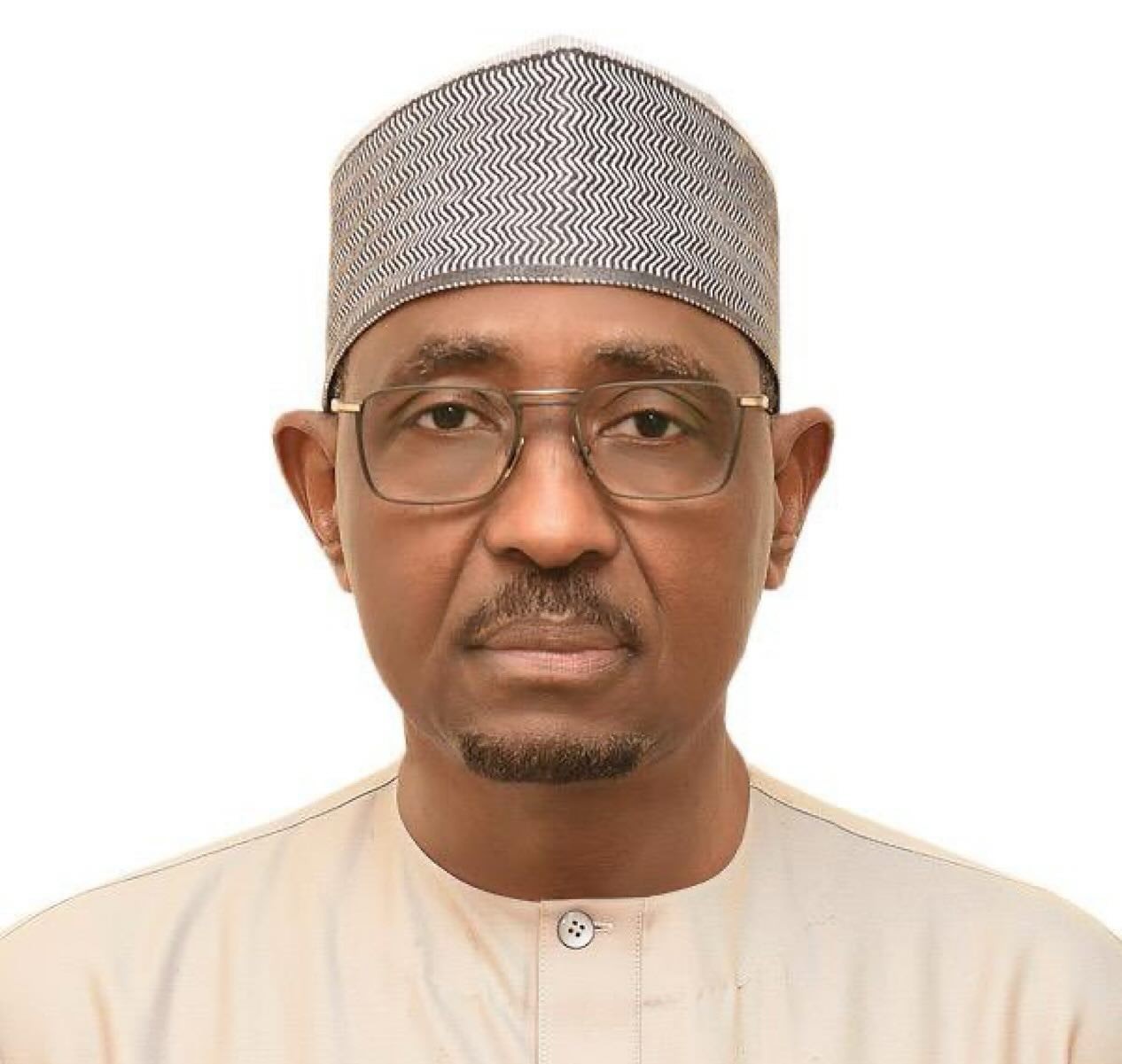
Nigeria’s oil and gas sector witnessed a major shake-up on Wednesday following the resignation of Farouk Ahmed, the Chief Executive Officer of the Nigerian Midstream and Downstream Petroleum Regulatory Authority (NMDPRA). His resignation came barely 24 hours after corruption allegations were publicly raised against him by billionaire businessman Aliko Dangote, President and Chief Executive Officer of Dangote Industries Limited.
The development has sent shockwaves through the petroleum industry, which is central to Nigeria’s economy. Oil and gas remain the country’s largest source of foreign exchange earnings and a key contributor to government revenue.
Farouk Ahmed’s resignation was confirmed in a statement issued by the Special Adviser to the President on Information and Strategy, Bayo Onanuga. According to the statement, President Bola Tinubu has accepted Ahmed’s resignation and has already nominated a replacement, subject to Senate confirmation.
In a related development, Gbenga Komolafe, the Chief Executive Officer of the Nigerian Upstream Petroleum Regulatory Commission (NUPRC), also resigned from his position. This means that the two top regulatory bodies overseeing Nigeria’s oil and gas industry are now without substantive heads.
The resignation of Farouk Ahmed followed serious allegations made by Aliko Dangote, Africa’s richest man and owner of the Dangote Petroleum Refinery. Dangote had accused the NMDPRA boss of corruption and actions that allegedly undermined local refining efforts in Nigeria.
Although details of the allegations are still emerging, Dangote’s comments sparked widespread public debate, given his influence in the business community and the strategic importance of his $20 billion refinery located in Lekki, Lagos. The refinery is expected to reduce Nigeria’s dependence on imported fuel and ease pressure on foreign exchange.
While Farouk Ahmed has not publicly responded in detail to the allegations, sources within government circles say the speed of his resignation suggests the matter is being taken seriously at the highest level.
In his statement, Bayo Onanuga said President Tinubu acted swiftly to ensure stability and continuity in the oil and gas sector. The President has written to the Senate, requesting expedited confirmation of new chief executives for both regulatory agencies.
“To fill these positions, President Tinubu has written to the Senate, requesting expedited confirmation of Oritsemeyiwa Amanorisewo Eyesan as Chief Executive Officer of the Nigerian Upstream Petroleum Regulatory Commission and Engineer Saidu Aliyu Mohammed as Chief Executive Officer of the Nigerian Midstream and Downstream Petroleum Regulatory Authority,” Onanuga said.
He added that the nominees are experienced professionals with deep knowledge of the oil and gas industry, expressing confidence in their ability to lead the agencies effectively.
Engineer Saidu Aliyu Mohammed, nominated to head the NMDPRA, is said to be a seasoned professional with years of experience in petroleum regulation, operations, and policy. If confirmed by the Senate, he will be responsible for overseeing the midstream and downstream segments of the oil and gas industry, including fuel supply, pricing, distribution, and refinery operations.
Oritsemeyiwa Amanorisewo Eyesan, nominated as CEO of the NUPRC, is also described as a highly experienced industry expert. The NUPRC is in charge of regulating Nigeria’s upstream petroleum operations, including crude oil exploration and production.
Both agencies were created under the Petroleum Industry Act (PIA) of 2021, a landmark law aimed at reforming Nigeria’s oil and gas sector, improving transparency, and attracting investment.
The NMDPRA and NUPRC replaced the former Department of Petroleum Resources (DPR), which previously handled regulation across the entire oil and gas value chain. The PIA split the responsibilities to improve efficiency and accountability.
The NMDPRA regulates refining, fuel importation, storage, transportation, and distribution. Its decisions directly affect fuel availability and prices, which have a strong impact on Nigerians’ daily lives.
The NUPRC, on the other hand, oversees upstream activities such as licensing, production monitoring, and compliance with environmental and safety standards.
Given the importance of these agencies, leadership changes at this level are considered significant and can influence investor confidence.
Reactions to the resignations have been mixed. Some industry experts believe the move shows President Tinubu’s commitment to accountability and reform, especially at a time when Nigerians are facing economic hardship and rising fuel prices following the removal of petrol subsidy.
Others have called for a full investigation into the corruption allegations to ensure transparency and restore public trust in the regulatory system.
The leadership changes come at a sensitive time for Nigeria’s oil and gas industry. The country is struggling with declining crude oil production, oil theft, and infrastructure challenges. At the same time, the government is pushing for local refining to reduce fuel imports and save foreign exchange.
The Dangote Refinery is central to this strategy, and any conflict between regulators and major investors raises concerns about policy consistency and fairness.
The focus now shifts to the National Assembly, where the Senate is expected to consider the President’s nominations. If confirmed, the new chief executives will take over immediately and face the task of stabilising the sector.