
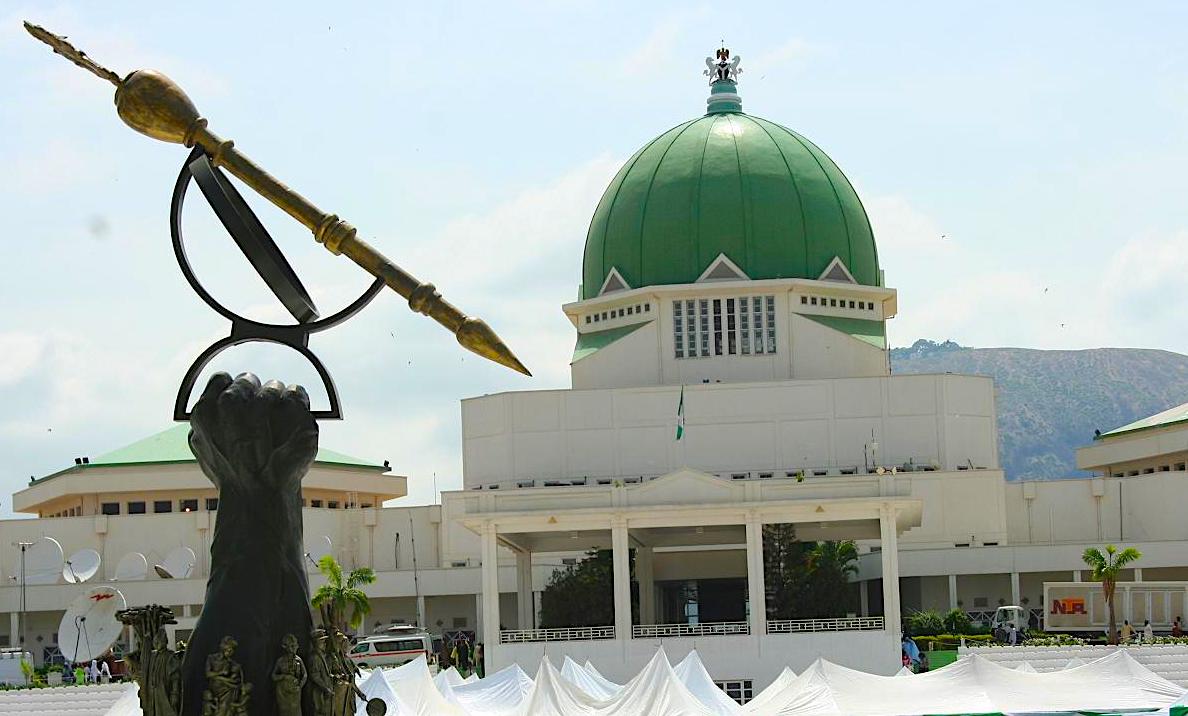
The leadership of the National Assembly has directed the Clerk to re-gazette Nigeria’s recently enacted tax laws, following growing controversy and public concern over discrepancies in the legislation.
Senate President Godswill Akpabio and Speaker of the House of Representatives Tajudeen Abbas issued the directive as part of a review of the tax laws, which are scheduled to take effect from January 2026. The decision was announced on Friday in a statement by the spokesperson for the House of Representatives, Hon. Akin Rotimi.
According to Rotimi, the move is intended to ensure clarity, accuracy, and proper documentation of the laws passed by the National Assembly. He emphasized that the step falls entirely within the constitutional and statutory powers of the legislature.
“The leadership of the National Assembly, under the President of the Senate, Distinguished Senator Godswill Obot Akpabio, GCON, and the Speaker of the House of Representatives, Rt. Hon. Abbas Tajudeen, PhD, GCON, has directed the Clerk to the National Assembly to re-gazette the Acts and issue Certified True Copies of the versions duly passed by both Chambers,” Rotimi said. “This administrative step is intended solely to authenticate and accurately reflect the legislative decisions of the National Assembly.”
The re-gazetting follows concerns raised by some lawmakers and members of the public about discrepancies between the tax laws as passed by the National Assembly and the versions that were officially gazetted. One of the lawmakers, Abdulsamman Dasuki, recently brought attention to these differences, triggering widespread criticism and debate over the integrity of the legislative process.
The tax laws in question are part of Nigeria’s broader efforts to reform the country’s tax system. They are designed to improve revenue collection, simplify tax procedures, and provide clearer guidelines for taxpayers and businesses. The legislation covers personal and corporate income taxes, value-added tax (VAT), and other related levies.
The controversy arose after Dasuki, a member of the House of Representatives, claimed that the text of the tax laws passed by the National Assembly differed in some respects from the versions published in the official government gazette. Gazetting is a formal process in which a law becomes publicly available and legally binding.
Discrepancies in gazetted laws can lead to confusion among taxpayers, businesses, and government agencies responsible for implementing the legislation. In Nigeria, any differences between the version passed by the National Assembly and the gazetted version could potentially undermine public trust in the legislative process.
Reacting to these claims, the leadership of the National Assembly initiated a careful review of the tax laws. The review involves comparing the versions passed by the Senate and House of Representatives with the gazetted documents to ensure they match exactly. Once the process is completed, the Clerk of the National Assembly will officially re-gazette the Acts and issue Certified True Copies of the versions that were duly passed by both chambers.
“This step is purely administrative and not intended to alter the substance of the laws,” Rotimi explained. “It is aimed at properly authenticating and reflecting the decisions taken by the National Assembly.”
Re-gazetting is a formal administrative procedure used to correct errors, clarify provisions, or ensure that the official record matches the decisions made by lawmakers. It does not change the content of the laws themselves but serves as an official confirmation of what was passed.
Issuing Certified True Copies alongside re-gazetting provides an additional level of assurance to the public. These copies are verified documents that confirm the authenticity of the laws, making them reliable for legal, administrative, and business purposes.
The tax laws set to take effect in January 2026 are expected to have a significant impact on both individuals and businesses across Nigeria. They include measures to streamline tax filing, enhance compliance, and expand the tax base.
For businesses, the legislation aims to provide clearer guidelines for corporate taxation, VAT, and other statutory obligations. For individuals, the reforms are intended to simplify tax filing and ensure fair assessment.
The controversy and subsequent re-gazetting, however, have created temporary uncertainty among taxpayers. Some stakeholders have expressed concerns that delays in official clarification could affect tax planning and business decisions in the coming months.
With the directive to re-gazette the laws, the National Assembly seeks to restore confidence and ensure that the public has access to accurate and authentic legal documents. The leadership has assured Nigerians that the process will be conducted transparently and within the legal framework.
Senator Akpabio and Speaker Abbas have both stressed that the step is administrative and does not imply any change to the content of the tax laws themselves. Instead, it is meant to correct errors in the gazetted versions and provide official confirmation of the legislative decisions.
Rotimi’s statement highlighted that the National Assembly is committed to addressing public concerns while safeguarding the integrity of Nigeria’s legislative process. “This review is a demonstration of the National Assembly’s dedication to accuracy, transparency, and accountability in lawmaking,” he said.