
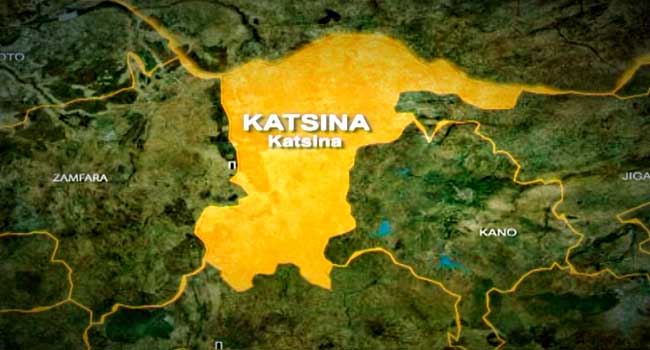
Bandits have attacked Unguwar Daudu community in Dukke ward of Funtua Local Government Area, Katsina State, injuring two residents and abducting more than 20 villagers. The attack happened on Sunday night and has left the community in fear and shock.
Residents said the attackers arrived late at night, shooting sporadically and forcing people out of their homes. In the process, two people were injured, while at least 20 others were taken away to an unknown location. Many families are now worried about the safety of their loved ones.
A local source confirmed the incident and said the attackers operated for several hours before leaving the area. According to the source, the attack happened despite several peace agreements earlier reached between local authorities and bandit groups operating in parts of Katsina State.
“Last night, bandits attacked Unguwar Daudu community in Dukke ward, Funtua LGA of Katsina State, injuring two residents and abducting at least 20 others,” the source said. “This attack happened despite the peace deals that were said to have been reached. We are now asking what is really undermining these agreements.”
Unguwar Daudu is a small rural community where most residents depend on farming and petty trading for survival. In recent years, communities like this have been frequent targets of bandit attacks, especially in northern Katsina, Zamfara, Sokoto, and parts of Kaduna states. These attacks often involve kidnapping for ransom, killings, and destruction of property.
Katsina State, the home state of former President Muhammadu Buhari, has been battling insecurity for over a decade. Armed bandits, believed to operate from forests that stretch across several states, have continued to raid villages, highways, and farms. Thousands of people have been displaced, while many others have lost their lives or livelihoods.
To address the crisis, state governments in the North-West have tried different approaches. These include military operations, joint security patrols, and peace deals with bandit leaders. In Katsina, several peace agreements have been announced over the years, with authorities saying the talks were meant to encourage bandits to lay down their arms in exchange for amnesty and support.
However, many residents and security observers have continued to question the effectiveness of these peace deals. While attacks sometimes reduce after negotiations, they often return after a short period. Sunday night’s attack in Unguwar Daudu has once again raised doubts about whether the agreements are working.
Some residents believe that the bandits are taking advantage of the talks to regroup and continue their activities. Others say the lack of proper monitoring and enforcement of the agreements is part of the problem. There are also concerns that not all bandit groups are involved in the peace talks, making it difficult to achieve lasting peace.
Local authorities are yet to issue an official statement on the Unguwar Daudu attack. Security agencies have also not confirmed the exact number of abducted villagers. However, residents say fear has returned to the community, with many people afraid to sleep in their homes at night.
In recent months, cases of mass abduction have continued to affect rural communities across the North-West. Victims are often released only after families or communities pay huge ransoms, which further fuels the cycle of crime. Many families are forced to sell farms, animals, or personal belongings to raise money.
Civil society groups have repeatedly called on the government to strengthen security in rural areas and address the root causes of banditry, such as poverty, unemployment, and lack of education. They also urge authorities to improve intelligence gathering and ensure that security forces are well-equipped to respond quickly to attacks.
As residents of Unguwar Daudu wait for news about their abducted relatives, many are calling on the Katsina State Government and security agencies to act swiftly. They say lasting peace will only come when communities are properly protected and criminals are held accountable.