
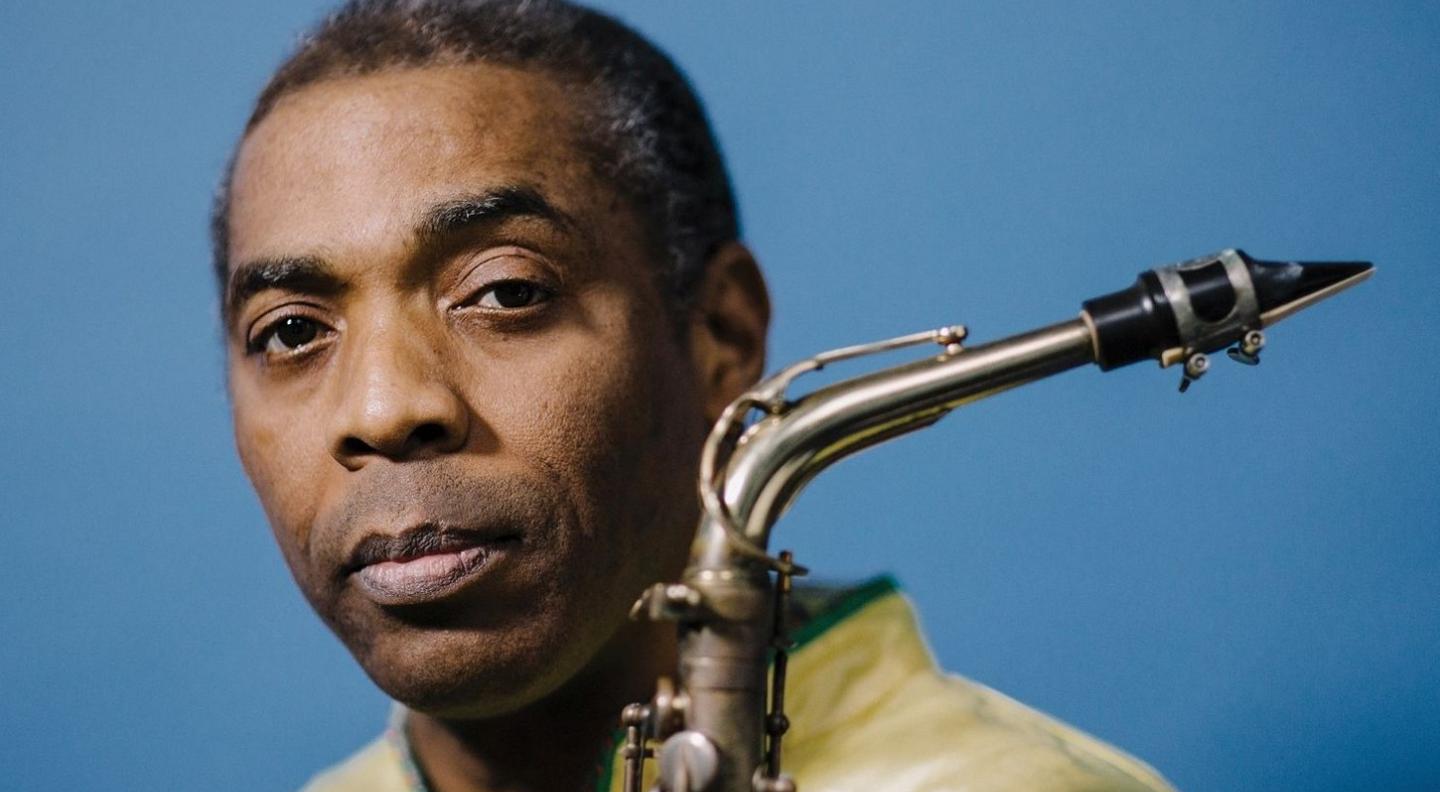
Afrobeat musician and activist, Mr Femi Kuti, has expressed regret over the renewed debate comparing today’s Nigerian music stars with his late father, Afrobeat pioneer Fela Anikulapo-Kuti. He described the discussion as unnecessary, distracting, and unhelpful at a time when Nigeria is facing serious national challenges.
Femi made his position known during an interview on Arise Television, where he said he would not take part in the debate. According to him, Nigeria has far more important issues to address than arguments over who is bigger or more influential in music.
“I wish it never came up. I’m not participating in it,” Femi said. “The government doesn’t even know how to move people positively forward. It’s shameful.”
The debate resurfaced after comments credited to popular Afrobeat star, Wizkid, in which he reportedly said, “I big pass your papa,” in reference to Fela. The remark, which circulated widely on social media, triggered strong reactions from fans, commentators, and members of the music industry.
Many saw the statement as a comparison between Wizkid’s global fame and the legacy of Fela, who used music as a tool to challenge corruption, military rule, and social injustice in Nigeria during his lifetime.
The discussion gained more attention shortly after Fela was nominated for a Lifetime Achievement Award at the Grammy Awards. The nomination renewed conversations about Fela’s influence, his global impact, and how his work continues to shape modern Afrobeat and Nigerian music.
Femi Kuti, however, said such comparisons miss the point and do not properly reflect his father’s place in history. According to him, Fela should not be measured by today’s standards of fame, streaming numbers, or awards.
“Fela is the template musically and artistically in Nigeria,” Femi said. “He should be put in a sector of his own and respected.”
He explained that Fela’s contribution went beyond entertainment. Through his music, Fela addressed political oppression, police brutality, corruption, and inequality. His songs were often banned, and he faced arrests, harassment, and violence because of his outspoken criticism of those in power.
Fela, who died in 1997, is widely regarded as the founder of Afrobeat, a genre that blends traditional African rhythms with jazz, funk, and highlife. His influence can be heard in the work of many modern Nigerian and African artistes who have taken the sound to global stages.
Over the past decade, Nigerian music, especially Afrobeat, has gained international recognition. Artistes like Wizkid, Burna Boy, Davido, and others have sold out major venues abroad and won global awards, helping to put Nigeria on the world music map.
Femi acknowledged this success and described it as a positive development for the country and the continent. However, he warned against turning achievements into rivalry or disrespect for those who laid the foundation.
According to him, the focus should be on unity, growth, and using the global spotlight on Nigerian music to build the industry and the nation.
“This recognition is good for Nigeria and Africa,” he said. “We should use it to build the country, build our music industry, and come together.”
Femi also used the opportunity to speak about Nigeria’s political and social challenges, which he said remain largely unchanged decades after his father sang about them.
“For 29 years, he has been gone, yet we are still discussing the same issues,” Femi said.
He listed corruption, insecurity, tribalism, and terrorism as some of the problems that have grown worse over time. According to him, these challenges continue to hold the country back and affect the lives of ordinary Nigerians.
Fela’s music, which once challenged military dictatorships, still resonates today because many of the issues he condemned remain unresolved. Songs such as Zombie, Sorrow, Tears and Blood, and Coffin for Head of State remain relevant in conversations about governance and human rights.
Femi Kuti, like his father, has also used his music and public voice to speak against injustice and bad governance. Over the years, he has repeatedly called on leaders to do better and on citizens to demand accountability.
He urged young Nigerians, especially those involved in music and the creative industry, to look beyond fame and use their influence to promote positive change.
According to him, Nigeria’s growing cultural power should translate into social and economic progress, not just global applause.
The renewed debate around Wizkid and Fela has divided opinions, with some fans defending Wizkid’s achievements and others insisting that Fela’s impact cannot be compared to that of any modern artiste.
For Femi Kuti, however, the matter is clear. He believes that comparing Fela with today’s stars does not honour his father’s legacy and distracts from the real issues facing the country.
As Nigeria continues to celebrate its rising influence in global music, Femi’s message serves as a reminder that cultural success should go hand in hand with national development.
He called on Nigerians to focus less on celebrity arguments and more on building a better country for future generations.