
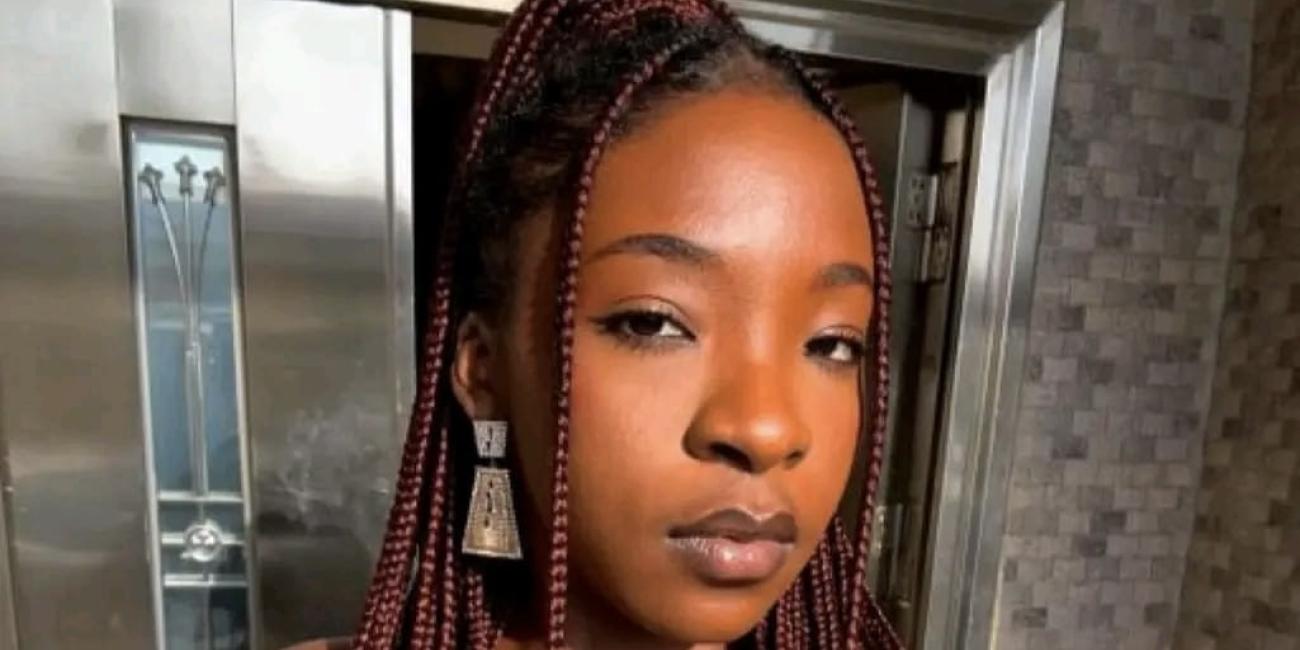
The Nigerian music community is in mourning following the sudden death of 25-year-old Abuja-based singer Ifunanya Nwangene, popularly known by her stage name Nanyah. The young artiste, known for her work in classical, jazz, RnB, and soul music, reportedly died after suffering a snakebite at her residence in the early hours of the morning.
According to information gathered from sources close to the late singer, the incident occurred when a snake attacked her at her Abuja home, inflicting a bite that proved fatal. Nwangene reportedly made desperate efforts to save her life, rushing herself to multiple hospitals in search of urgent medical attention.
However, her efforts were reportedly hampered by the lack of life-saving anti-venom at the facilities she visited. Despite going to more than one hospital, she was reportedly turned away or left untreated due to the unavailability of the required medication.
Friends and family described her efforts to survive as “heroic,” noting that she did everything within her power to seek medical help. Sadly, the lack of anti-venom ultimately led to her untimely death.
Reports also indicate that this was not the first time a snake had been sighted in or around her residence, raising questions about the safety of the area and potential preventive measures.
The news of Nwangene’s death has sparked an outpouring of grief on social media. Fans and fellow artistes have expressed shock at the sudden loss of a young and rising talent, with many mourning her potential and contributions to the Nigerian music scene.
Some reactions on social media have included speculation about supernatural causes, with a few users suggesting that the snakebite might be linked to juju or spiritual manipulation. However, no evidence has been presented to substantiate such claims, and authorities have not made any official statement on the matter.
As of the time of filing this report, neither health authorities nor the police had confirmed whether an investigation has been launched into her death.
Nwangene’s passing has drawn attention to systemic issues in Nigeria’s emergency healthcare system, particularly the scarcity of critical medicines such as anti-venom, even in major urban centres like the Federal Capital Territory (FCT).
Nigeria has a long history of inadequate emergency response systems, with shortages of essential drugs, poorly equipped hospitals, and limited access to rapid care contributing to preventable deaths. Her death has intensified calls from health advocates for government action to ensure the availability of life-saving treatments across the country.
According to health experts, timely administration of anti-venom is crucial in snakebite cases, as delays can significantly increase the risk of death or permanent disability. The World Health Organization classifies snakebite as a neglected tropical disease, noting that Nigeria is among the countries with the highest incidence and fatalities from snakebites in Africa.
Nanyah was widely regarded as a talented and promising musician. Her work spanned multiple genres, and she had been steadily building a local fan base. Friends described her as hardworking, passionate, and dedicated to her craft, with many noting her commitment to growing the local music industry.
“Losing Nanyah is a huge blow not just to her family but to the Nigerian music scene,” one fellow musician said. “She was young, talented, and had so much to give.”
The incident has also prompted renewed discussions about public safety in residential areas, including the need for better control of hazards such as venomous snakes. Experts say urban areas in Nigeria are not immune to such dangers, particularly when residential compounds are close to bushes, unkempt land, or flood-prone areas where snakes may seek shelter.
As Nigerians continue to mourn the death of Ifunanya Nwangene, her story serves as a reminder of both her artistic talent and the urgent need to improve healthcare delivery in the country.
For the music industry, the loss of Nanyah is a poignant reminder of the fragility of life and the importance of supporting emerging talents. Fans and colleagues have taken to social media to share memories of her work and to celebrate her contributions to music.
The tragic death has sparked calls for greater awareness about the risks of snakebites, proper safety measures at home, and the strengthening of emergency response systems in Nigeria.
Nwangene leaves behind family, friends, and a growing fan base who continue to mourn her passing and advocate for reforms that could prevent similar deaths in the future.
Her untimely death at just 25 years old highlights a broader public health concern in Nigeria, emphasizing the need for immediate action to ensure that anti-venom and other life-saving interventions are available nationwide.