
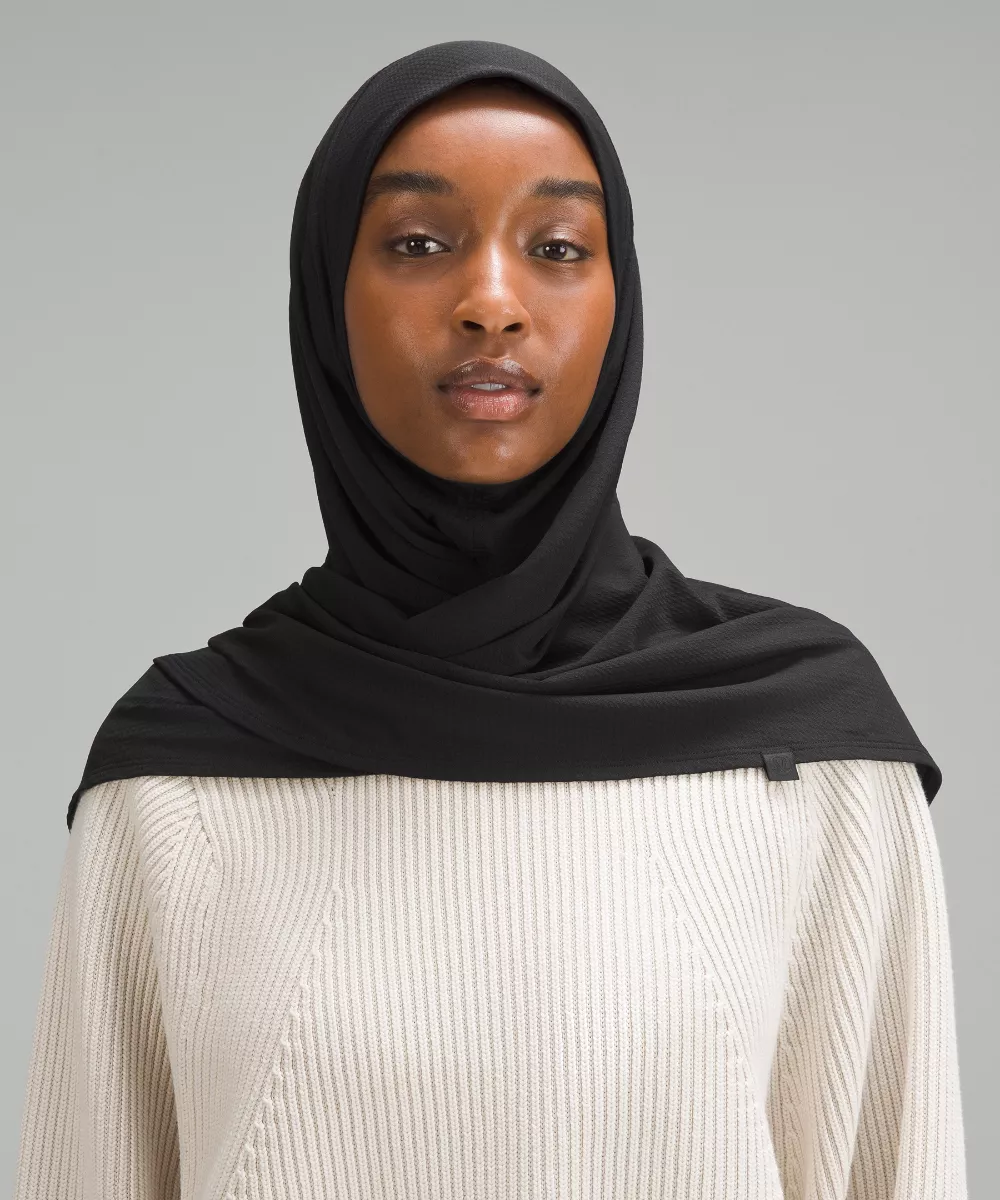
The Muslim Public Affairs Centre (MPAC) has called for greater inclusion and an end to discrimination against Muslim women and girls who wear the hijab in Nigeria.
The call was made by the Executive Chairman of MPAC, Mr Disu Kamor, in a statement issued on Sunday to mark the annual World Hijab Day.
World Hijab Day is observed every year to promote understanding of the hijab and to stand against discrimination faced by Muslim women around the world.
In his message, Kamor praised hijab advocates across the globe for their continued efforts in promoting respect, acceptance and peaceful coexistence among people of different faiths and backgrounds.
He said the work of these advocates has helped to break down stereotypes and misunderstandings surrounding the hijab, especially in societies where Muslim women are in the minority.
According to him, awareness campaigns and public education have played an important role in changing negative perceptions and encouraging dialogue.
“Through sustained advocacy, many false assumptions about the hijab have been challenged, and more people now understand that it is a personal expression of faith and identity,” Kamor said.
However, he expressed concern that despite growing global awareness, many Muslim women and girls in Nigeria still face discrimination, harassment and exclusion because they choose to wear the hijab.
He said such cases are particularly common in some public schools, especially in parts of southern Nigeria.
According to Kamor, some schools still enforce policies that restrict or ban the wearing of hijab by Muslim female students.
He said these practices deny students their basic rights and often lead to emotional distress, humiliation and exclusion from education.
“Many Muslim girls are forced to choose between their education and their faith,” he said.
“This is unfair and unacceptable in a democratic society.”
Kamor noted that the Nigerian Constitution guarantees freedom of religion, freedom of expression and the right to dignity of the human person.
He said policies that prevent Muslim girls from wearing the hijab in schools go against these constitutional provisions.
“These actions are incompatible with the ideals of a pluralistic and democratic society like Nigeria,” he added.
Nigeria is a multi-religious and multi-ethnic country, with Christianity and Islam being the two major religions.
The country’s constitution provides for freedom of religion and allows citizens to practice their faith without fear or discrimination.
However, religious disputes, especially around the wearing of hijab in public institutions, have remained a sensitive issue over the years.
In several states, debates over hijab use in public schools have led to court cases, protests and policy reviews.
Some state governments and courts have ruled in favour of allowing hijab in public schools, while disagreements persist in other areas.
MPAC said these ongoing disputes show the need for stronger commitment to inclusion and mutual respect.
Reaffirming MPAC’s support for hijab-wearing women and girls, Kamor described the hijab as a symbol of faith, identity and resilience.
He encouraged Muslim women to remain confident and proud of their beliefs.
“Wearing the hijab with confidence is a legitimate way of asserting and safeguarding constitutional rights,” he said.
He urged Muslim women not to be discouraged by criticism or pressure, adding that they are part of a long and respected tradition of faith.
Kamor reminded Muslim women that the practice of wearing the hijab dates back to the time of Prophet Muhammad (SAW).
He said Muslim women today enjoy the support of a global community that stands for justice, dignity and freedom of belief.
The MPAC chairman also called on governments at all levels, education authorities and school administrators to review policies that discriminate against hijab-wearing students.
He urged them to remove rules that promote exclusion and instead adopt policies that reflect fairness, inclusion and respect for diversity.
“Educational institutions should be places where every child feels safe, respected and valued, regardless of their religious background,” he said.
Kamor also appealed to community leaders, religious leaders and parents to promote dialogue and understanding.
He said peaceful coexistence can only be achieved when people are willing to respect differences and protect the rights of others.
According to him, discrimination against hijab-wearing women not only affects individuals but also harms national unity and social harmony.
He stressed that inclusion benefits everyone and helps build a stronger and more united society.
Kamor further encouraged hijab advocates to continue their work, saying collective action is important in creating lasting change.
He said awareness campaigns, legal advocacy and community engagement are key tools in the fight against discrimination.
“Progress is achieved when people speak up, support one another and stand for what is right,” he said.
World Hijab Day was first marked in 2013 to encourage women of all backgrounds to wear the hijab for a day in solidarity with Muslim women.
The event has since grown into a global movement, observed in many countries through discussions, educational programmes and social media campaigns.
Supporters say the day helps non-Muslims understand the meaning of the hijab and the challenges faced by Muslim women.
In Nigeria, the day has become an opportunity for civil society groups, religious organisations and activists to raise awareness about religious freedom and women’s rights.
Human rights groups have also called on authorities to ensure that laws and policies protect all citizens equally.
As Nigeria continues to work towards unity and peaceful coexistence, groups like MPAC say respecting religious rights is essential.
Kamor said a society that protects the dignity and freedom of all women, regardless of faith, is one that truly upholds justice.
He concluded by urging Nigerians to see the hijab not as a source of division, but as a symbol of personal choice and faith.
“Every woman deserves the freedom to practice her faith with dignity,” he said.