
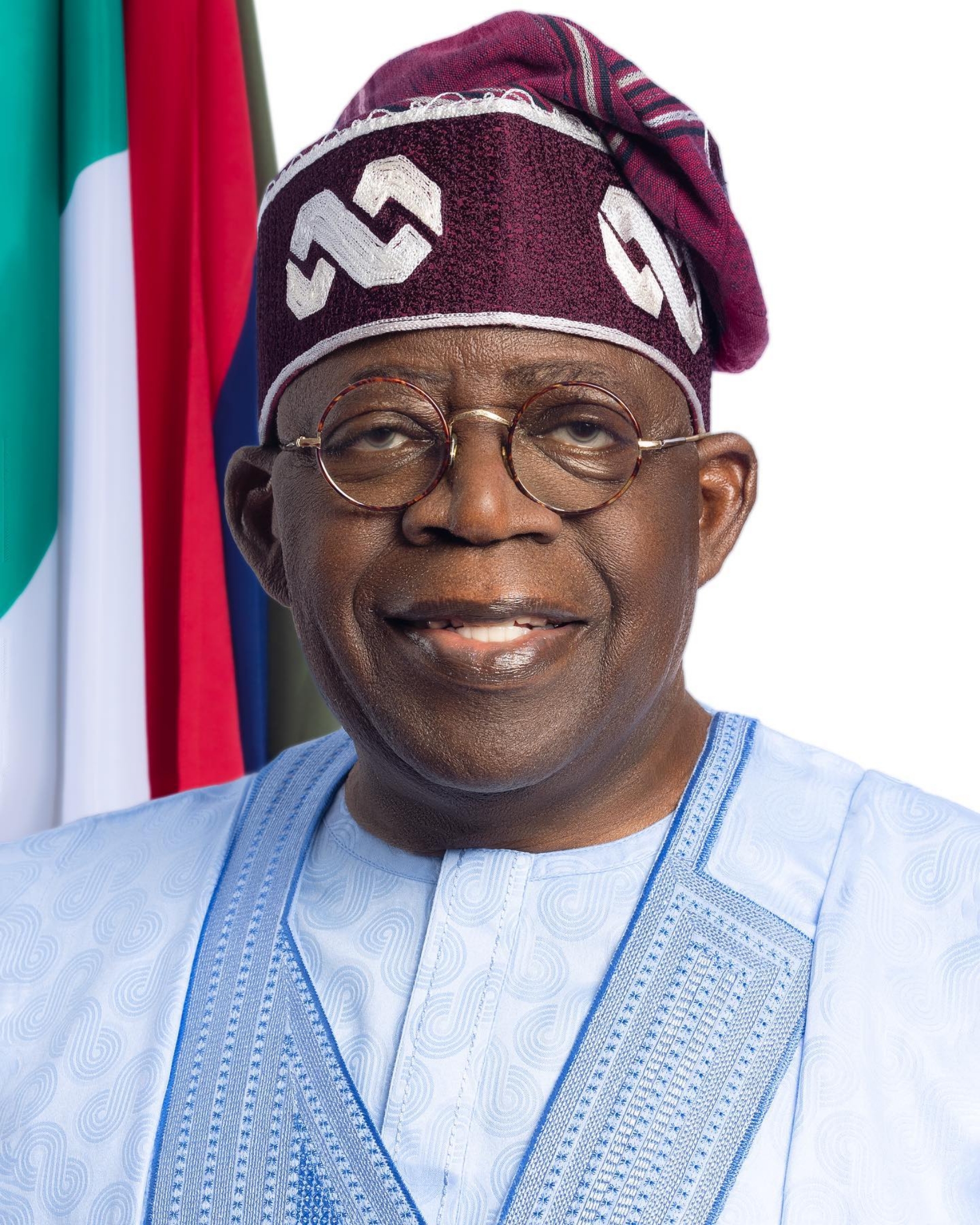
The World Bank has praised President Bola Ahmed Tinubu’s economic reform programme, describing Nigeria as a key example often cited around the world when discussing reform efforts and their results.
The commendation came on Tuesday in Abuja when the World Bank’s Managing Director of Operations, Ms Anna Bjerde, led a high-level delegation to meet President Tinubu at the State House.
Ms Bjerde said Nigeria’s reform outcomes over the last two years had attracted strong global attention and were widely discussed among world leaders, policymakers, and investors.
“Nigeria is a frequent example in my discussions around the world because the results achieved in two years are really commendable,” she said.
According to her, many countries are closely watching Nigeria’s experience, especially how the government has pushed through difficult reforms while maintaining policy direction.
President Tinubu came into office in May 2023 and quickly introduced major economic reforms aimed at fixing long-standing problems in the country’s economy. These included the removal of fuel subsidy, the unification of the foreign exchange rates, and changes in fiscal and monetary policies.
While these reforms were welcomed by international financial institutions, they initially led to hardship for many Nigerians, including rising fuel prices, high inflation, and increased cost of living.
Despite these challenges, the World Bank official said the Tinubu administration had remained consistent and clear in explaining why the reforms were necessary.
Ms Bjerde praised the president’s steady leadership, noting that clear communication had helped build confidence among investors and development partners, even when implementation became difficult.
“Even when reform implementation is difficult, there is no turning back. You are staying the course,” she told the president.
She said feedback from Nigeria’s private sector showed that the reforms were beginning to produce results, with improving investor confidence and growing interest in the economy.
According to her, many investors now see Nigeria as a country willing to take tough decisions needed for long-term growth and stability.
Ms Bjerde also spoke about the World Bank’s future plans for Nigeria. She said the bank’s new Country Partnership Framework would be built around Nigeria’s vision of becoming a $1 trillion economy with an annual growth rate of seven per cent.
Nigeria is currently Africa’s largest economy by population, but growth has remained slow over the years due to challenges such as poor infrastructure, insecurity, high unemployment, and dependence on oil revenue.
The World Bank official said job creation would be a major focus of the new partnership, especially because of Africa’s rapidly growing population and the urgent need to provide employment for young people.
“Nigeria’s young population is both a strength and a challenge,” she said. “Jobs must be created at scale to meet the needs of the future.”
She identified infrastructure investment, modernisation of agriculture, and improved access to finance for small and medium enterprises (SMEs) as key priority areas.
Ms Bjerde noted that Nigeria spends less on infrastructure compared to the size of its economy, which has affected roads, power supply, transport, and other critical services.
She said this gap could be addressed through innovative public-private partnerships that would attract private investors while reducing pressure on government finances.
The World Bank official disclosed that the bank’s current public sector portfolio in Nigeria stood at about $17 billion, covering projects in areas such as power, education, health, agriculture, and social protection.
She added that the International Finance Corporation (IFC), the private sector arm of the World Bank Group, invests about $5 billion in Nigeria every year, making the country one of its largest investment destinations in Africa.
Ms Bjerde also revealed that the World Bank was preparing a new reform-linked budget support operation for Nigeria. This type of support is tied directly to policy reforms and is meant to help governments manage economic transitions.
In addition, she said the bank planned to expand risk guarantees to help attract more private capital into Nigeria.
“Your reforms and our budget support go hand in hand,” she told the president, stressing that continued policy consistency would unlock more funding and investment.
In his response, President Tinubu said his administration’s reform agenda was irreversible and that Nigeria would not return to old policies that had weakened the economy.
“Since we went into this turn of reform, we are never going to look back,” the president said.
He described the reforms as painful but necessary, explaining that short-term difficulties were unavoidable if the country was to achieve long-term stability and growth.
The president pointed to agriculture as a key pillar of his administration’s economic plan. He said the government was investing in mechanisation centres and was open to World Bank support in areas such as improved seeds, farming tools, and productivity.
Agriculture remains one of Nigeria’s largest employers, but low productivity, poor storage, and limited access to finance have held the sector back for decades.
Mr Tinubu reaffirmed his commitment to transparency and accountability, saying tough decisions such as the removal of fuel subsidy and the unification of the exchange rate were taken in the interest of the country.
For many years, Nigeria spent trillions of naira on fuel subsidy, a policy that was widely criticised for encouraging corruption and benefiting mainly the wealthy and smugglers.
The multiple exchange rate system also created room for abuse and discouraged foreign investment.
Mr Tinubu acknowledged that the immediate effect of these reforms was high inflation, which affected food prices, transport costs, and household expenses.
“The first reaction was high inflation, but it has come down dramatically,” he said. “Now that it is stable, we can help investors.”
He urged the World Bank to speed up innovative financing options, reduce bureaucratic delays, and support skills development for young Nigerians.
The president assured the World Bank of Nigeria’s readiness for deeper engagement and long-term partnership, saying the country remained open to ideas that would drive inclusive growth.
However, they also note that for many Nigerians to feel the impact, reforms must translate into lower prices, more jobs, better infrastructure, and improved living standards.