
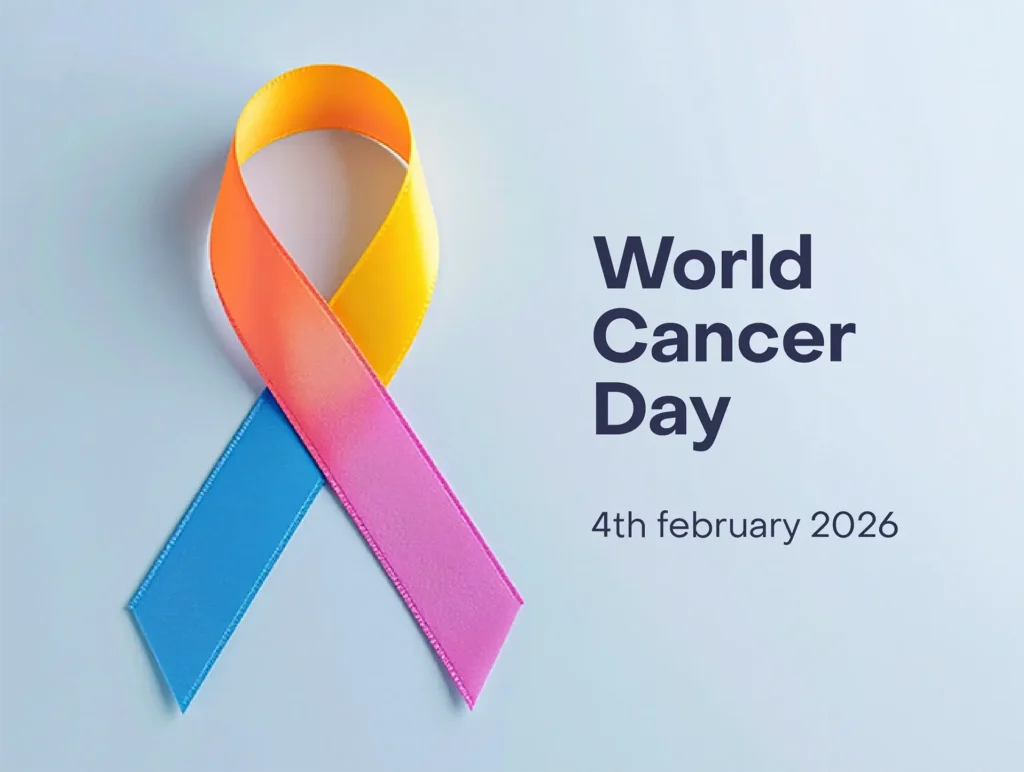
The Nigerian Cancer Society (NCS) has called on the Federal Government and other stakeholders to integrate cancer prevention and treatment into Nigeria’s primary healthcare system to ensure wider access, especially for people living in rural areas and internally displaced persons (IDPs).
The President of the Nigerian Cancer Society, Dr. Abidemi Omonisi, made the call on Wednesday in a statement to mark the 2026 World Cancer Day. The statement, which was made available in Ado Ekiti, stressed the need to move cancer care beyond state capitals and major cities.
World Cancer Day is observed globally every year to raise awareness about cancer, promote prevention, encourage early detection, and improve access to treatment. The 2026 theme, “United by Unique,” highlights the importance of people-centred care that recognises the different needs, experiences, and challenges of cancer patients.
According to Omonisi, while Nigeria has made progress in cancer control, access to services remains uneven, with most facilities located in urban centres.
“Government interventions on cancer are largely concentrated in state capitals and big cities. We must extend cancer services to rural communities and IDP camps across the country,” he said.
Cancer is a major public health challenge in Nigeria and across the world. It refers to a group of more than 100 diseases caused by the uncontrolled growth of abnormal cells in the body. These cells can invade nearby tissues and spread to other parts of the body if not detected and treated early.
Cancer is diagnosed through several methods, including biopsies, imaging tests such as CT scans, MRI and PET scans, and blood tests. Treatment depends on the type and stage of the disease and may include surgery, chemotherapy, radiation therapy, and immunotherapy.
In Nigeria, late presentation remains one of the biggest challenges in cancer management. Many patients seek medical help only when the disease has reached an advanced stage, making treatment more difficult and expensive.
Omonisi acknowledged the steps taken by government and partners to address cancer but warned that there was still much work to be done.
“Despite important strides, we still have far too many people presenting late. Many families are pushed into poverty by the cost of care. We face shortages in oncology services, diagnostic equipment, and trained health workers,” he said.
He added that stronger integration of cancer services into primary healthcare would help improve early detection and reduce deaths from the disease.
Primary healthcare centres are often the first point of contact for many Nigerians, especially in rural areas. Experts believe that equipping these centres with basic cancer screening services and trained personnel would help identify cases early and reduce the pressure on tertiary hospitals.
Omonisi disclosed that the Nigerian Cancer Society is already taking steps to bridge the gap through free cancer screening programmes targeted at rural communities, underprivileged Nigerians, and IDPs.
“We are sourcing funds to purchase and deploy mobile cancer screening and treatment vans across the six geopolitical zones. These vans will serve rural communities and other underserved Nigerians,” he said.
According to him, mobile screening units will help bring services closer to people who may not be able to travel long distances to access care.
Nigeria has thousands of internally displaced persons living in camps due to insecurity and natural disasters. Health experts say people in such settings are often excluded from regular health services, including cancer screening and treatment.
The NCS president stressed that addressing cancer requires collective action and collaboration across sectors.
“No single institution or sector can tackle cancer alone. Government must continue to show leadership through policy, financing, and accountability,” he said.
He also called on health professionals to remain committed to evidence-based and compassionate care, while urging researchers to generate data that reflects Nigeria’s realities.
According to Omonisi, civil society groups must continue to amplify community voices, while the private sector should support cancer control efforts through investment and partnerships.
“Communities themselves must be empowered with knowledge, trust, and access. People need to understand cancer, know the warning signs, and feel confident to seek help early,” he said.
He reaffirmed the Nigerian Cancer Society’s commitment to equitable cancer care, prevention, early detection, public education, research, and capacity building.
Omonisi said the rights and welfare of cancer patients and survivors remain central to the mission of the society.
He urged policymakers and development partners to prioritise cancer control, describing such investment as vital to national development.
“Investing in cancer control is a commitment to life, productivity, and the future of our country,” he said.
Addressing young people, Omonisi warned that cancer is not limited to older persons, as commonly believed. He encouraged youths to adopt healthy lifestyles and take preventive measures.
“Cancer can affect anyone. Young people should embrace healthy habits, vaccination, regular screening, and early reporting of symptoms,” he said.
He noted that preventable risk factors such as tobacco use, unhealthy diets, physical inactivity, and infections contribute significantly to cancer cases.
As part of his message to mark World Cancer Day, Omonisi called for a shift from awareness alone to concrete action.
“As we mark the 2026 World Cancer Day, let us move beyond awareness to action, equity, and impact. Let us build a Nigeria where a cancer diagnosis is not a death sentence and where access to quality care does not depend on where you live or how much you earn,” he said.
Omonisi highlighted several achievements recorded by Nigeria in cancer control over the years. These include increased public awareness, stronger advocacy, and the expansion of cancer registries across the country.
He also listed the establishment of the National Institute for Cancer Research and Treatment as a major milestone, along with the development of an updated National Cancer Control Plan.
Other achievements include the upgrading of some federal tertiary hospitals as centres of excellence for cancer treatment and the creation of the National Cancer Health Fund to support patients.
According to him, there is also growing attention to cancer control at both national and sub-national levels, with more states beginning to develop cancer-related policies and programmes.
Despite these gains, experts say challenges such as funding gaps, limited workforce, and unequal access to care continue to affect outcomes.
The call by the Nigerian Cancer Society adds to growing demands for stronger health systems that can respond to both infectious and non-communicable diseases.