
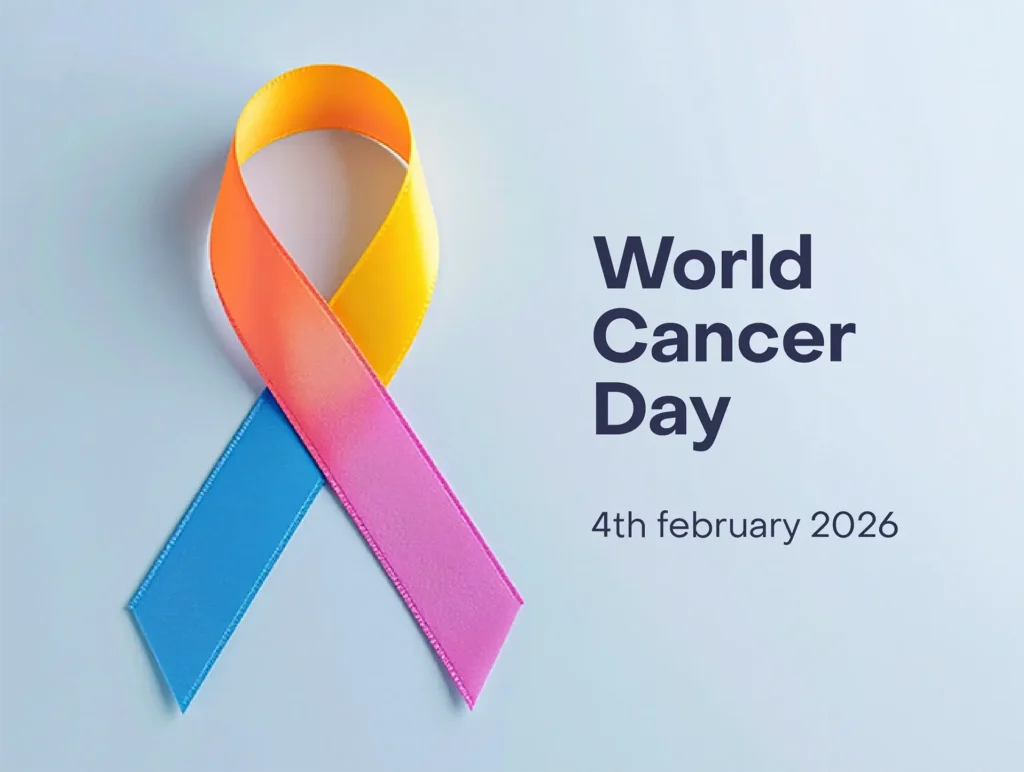
As the world marked World Cancer Day on February 4, 2026, the Osun State Directorate of the National Orientation Agency (NOA) has urged residents to intensify efforts toward cancer prevention, early detection, and equitable access to care.
The State Director of NOA, Adefarasin Stephen Adebiyi, made the call in a statement issued through the agency’s Public Relations Officer, Bunmi Olaseinde. The statement was part of the nationwide activities to observe World Cancer Day, which is celebrated annually to raise awareness about cancer and promote timely action to combat the disease.
Adebiyi noted that cancer remains a major public health challenge in Nigeria, with many cases diagnosed at advanced stages. He cited factors such as low awareness, stigma, myths, and limited access to screening services as significant contributors to the country’s high rate of cancer-related deaths.
“Cancer is not a death sentence when identified early and managed promptly through proper medical care,” Adebiyi said. “Early detection improves survival outcomes, and this is why awareness and timely action are critical.”
He explained that some of the most common cancers in Nigeria include breast, cervical, prostate, liver, and colorectal cancers. “These types of cancer can be managed more effectively when diagnosed in their early stages,” he added.
World Cancer Day, observed globally on February 4, is an opportunity for governments, health agencies, civil society organizations, and individuals to highlight the persistent gaps in cancer care and the urgent need for early action.
Adebiyi said that many Nigerians often seek medical attention only after symptoms have worsened, making treatment more difficult and less effective. He emphasized that closing this care gap requires collective responsibility, involving individuals, families, communities, and institutions.
He advised residents to watch for early warning signs, including unusual lumps, persistent pain, unexplained weight loss, abnormal bleeding, changes in the breast, prolonged cough, and sores that do not heal. Prompt medical attention to these symptoms, he said, can save lives.
Preventive measures, according to the NOA, are also essential. Adebiyi encouraged Nigerians to avoid tobacco use and excessive alcohol intake, maintain a healthy diet, engage in regular physical activity, and keep an appropriate body weight.
He also highlighted the importance of protecting the skin from prolonged sun exposure and taking advantage of available vaccinations. The Hepatitis B vaccine, which reduces the risk of liver cancer, and the Human Papillomavirus (HPV) vaccine, which lowers the risk of cervical cancer, were specifically mentioned.
“Closing the cancer care gap begins with awareness, compassion, and timely action from individuals, families, and institutions,” Adebiyi said. He urged residents to prioritize routine screenings and to seek credible health information.
The NOA also emphasized the need to encourage open discussions about cancer in communities. Stigma and misconceptions, the agency noted, often prevent people from seeking early medical help.
“By speaking openly about cancer, individuals can empower each other and ensure timely intervention,” the statement said.
In addition to public awareness campaigns, health authorities have been promoting organized screening programs for early detection. Mammograms, cervical smears, prostate examinations, and colonoscopies are among the recommended screenings, but coverage remains low in many states, including Osun.
Health practitioners highlight that lifestyle changes can significantly reduce cancer risk. These include eating more fruits and vegetables, exercising regularly, avoiding processed and fatty foods, and reducing alcohol and tobacco consumption.
Adebiyi’s call during World Cancer Day aligns with broader national and international campaigns to educate the public and reduce cancer mortality. The World Health Organization (WHO) estimates that one-third of cancer deaths worldwide can be prevented through early detection, healthy lifestyles, and vaccination.
The NOA also reaffirmed its commitment to public enlightenment, noting that informed and healthy citizens are essential to national development. The agency continues to use community outreach, radio and television programs, and social media campaigns to reach as many people as possible with critical health messages.
Local health advocates have welcomed the NOA’s campaign, saying that public awareness remains one of the most effective tools in the fight against cancer.
“Many people are unaware of the risks or do not recognize early symptoms. Campaigns like this help educate the public and encourage proactive healthcare-seeking behavior,” said a health worker in Osogbo, the state capital.
As Nigeria continues to battle cancer and other non-communicable diseases, experts stress that early action saves lives and reduces the financial and emotional burden on families.
In closing, the NOA urged the people of Osun State and Nigerians generally to take cancer seriously, prioritize preventive measures, and ensure that they and their loved ones access timely medical care.
“Let this World Cancer Day be a reminder that awareness, prevention, and early detection are key to saving lives,” Adebiyi said.
The observance of World Cancer Day 2026, therefore, provides a platform for collective reflection and action, reminding all stakeholders – from government agencies to individuals – of their roles in reducing the burden of cancer in Nigeria.
By prioritizing awareness, screening, vaccination, and healthy lifestyles, Nigeria can hope to reduce the growing incidence of cancer and improve survival rates for those affected.


