
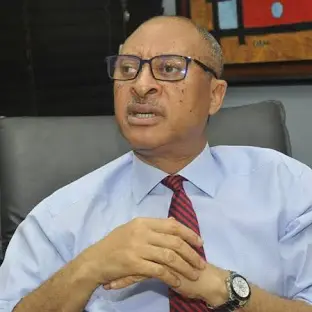
Renowned political economist and public affairs commentator, Professor Pat Utomi, has said that Nigeria has been “painfully disappointed” by its past and present leaders, blaming the country’s problems on poor leadership, self-interest, and the rise of hate in politics.
Utomi made the remarks on Wednesday during an interview on Arise Television, where he spoke openly about leadership failure in Nigeria and across Africa. He said many people who found themselves in positions of power placed personal gain above the welfare of the people they were meant to serve.
According to him, the true purpose of public service has been lost, as leaders no longer see leadership as a call to serve or sacrifice for the common good.
“Self-love exceeded care for the people,” Utomi said. “The ultimate reason for public life should be giving oneself for the common good of all.”
He described Nigeria as one of the worst examples of leadership failure, even when compared with other African countries facing similar challenges. While admitting that leadership problems are not unique to Nigeria, he said the country’s case was more troubling because of its size, resources, and potential.
“To be fair, it’s not just Nigeria. It’s Africa at large in many ways,” he said. “But Nigeria is the worst case example. Nigeria has been painfully disappointing because of the quality of people who took public positions.”
Utomi said Nigeria has failed to deliver real progress for its citizens despite its oil wealth, large population, and influence on the African continent. He noted that many countries with fewer resources have managed to do more for their people, while Nigeria continues to struggle with poverty, unemployment, insecurity, and weak institutions.
He argued that leadership should be about sacrifice and service, not about wealth, power, or personal comfort. In his view, leaders should be driven by a desire to leave a lasting positive impact on society.
Utomi also spoke from a personal and moral perspective, saying his faith has shaped how he views leadership and public life. He explained that while he strongly disagrees with the actions of many political leaders, he tries not to judge them as individuals.
“From a faith perspective, I struggle not to judge people,” he said. “I recognize things that they do that I don’t like, that I don’t think are proper, that I think hurts society and the common good.”
He added that despite being attacked or insulted by some political actors, he believes he has a moral duty to treat others with respect and kindness.
“I try so hard not to be judgmental and call this person evil when they call me all kinds of things,” Utomi said. “I think that I have an obligation to treat them with charity.”
However, he admitted that this approach has made public engagement more difficult for him, especially in recent years. He said the political environment in Nigeria has become more toxic, with hate and division now playing a major role in public discourse.
According to Utomi, one of the most damaging things Nigeria’s political class has done is to normalise hate as a political tool.
“The most terrible thing that the political class has done to Nigeria is make hate a part of our culture,” he said.
He warned that when hate becomes central to politics, it weakens national unity and makes it harder for citizens to work together to solve common problems. He said leaders now often rely on ethnic, religious, or regional divisions to gain support, rather than presenting clear ideas or plans for development.
Utomi’s comments come at a time when many Nigerians are expressing frustration over the country’s direction. Rising living costs, fuel subsidy removal, a weak currency, and ongoing insecurity have placed heavy pressure on ordinary citizens.
Nigeria has also struggled with long-standing issues such as corruption, poor governance, weak infrastructure, and lack of accountability. Critics often argue that these problems persist because leaders fail to put national interest above personal or political interests.
As a respected voice in economic and political debates, Utomi has for decades spoken about the need for ethical leadership, strong institutions, and values-based governance. He has also been involved in national conversations on democracy, development, and political reform.
He believes Nigeria’s problems cannot be solved by policies alone, but by a change in mindset among leaders and citizens. According to him, leadership must return to the idea of service, where those in power see themselves as caretakers of the public trust.
Utomi also stressed the importance of character in leadership, saying competence without integrity cannot deliver real change. He warned that unless Nigeria confronts its leadership crisis honestly, the country will continue to miss opportunities for growth and progress.