
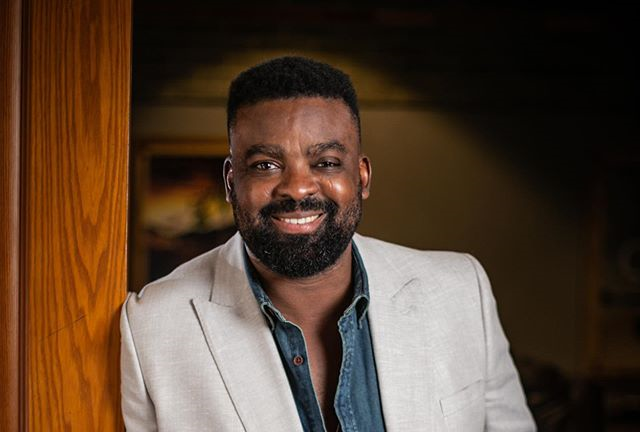
Nigerian filmmaker and actor Kunle Afolayan has stirred widespread debate after publicly stating that he is seeking a divorce from his wife in order to give himself the freedom to marry multiple women. The comments, made during a watch party for his latest film Aníkúlápó: The Ghoul Awakens, have since gone viral and attracted strong reactions across social media.
Afolayan, one of Nollywood’s most respected filmmakers, spoke openly during the event, telling guests that he is already in court pursuing a divorce. In a video clip shared online, he said he was prepared for the stress and cost of the legal process because he believes it will allow him to live the kind of life he wants.
“I am in and out of court seeking a divorce. I don’t mind the toll. So I can marry many wives now,” he said.
The statement surprised many fans, especially because Afolayan is known to keep his private life away from public attention. His remarks quickly spread online, with many Nigerians expressing shock, criticism, and support in equal measure.
Afolayan explained that his views on marriage are shaped by his upbringing. He is the son of the late Adeyemi Afolayan, popularly known as Ade Love, a legendary figure in Yoruba cinema. According to him, his father had ten wives, and he believes that family structure played a major role in shaping his life and career.
“Without my father, there wouldn’t be a KAP Village or even Kunle Afolayan. I am the seventh child of my father because he had ten wives,” he said.
KAP Village, located in Igbojaiye, Oyo State, is Afolayan’s creative hub and film village. It has hosted several major film projects and is often cited as one of his biggest achievements in the Nigerian film industry.
Afolayan went further to encourage men to consider relationships with multiple women, arguing that life is short and should be lived fully.
“For the men, marry many women, or rather be involved with many women. You know why? If my father didn’t, he would not have born me, and that is the honest truth,” he said. “Life is short, death is constant. Nobody has life forever. Everybody has a period. Use your period.”
The filmmaker’s comments have triggered heated discussions online. On X, Instagram, and Facebook, Nigerians debated the meaning, timing, and impact of his words. Some users defended him, saying polygamy is part of African culture and allowed by law and religion in many parts of the country. Others criticised him, arguing that his comments were insensitive and dismissive of women’s feelings.
Several social media users also pointed out that Afolayan had, in the past, spoken against polygamy in interviews, where he described it as difficult to manage. This has led to accusations of inconsistency, with critics saying his new position contradicts his earlier views.
Women’s rights advocates were among those who voiced concern, saying public figures should be careful with statements that may encourage irresponsible behaviour or reduce marriage to personal desire alone.
Polygamy remains legal and culturally accepted in many parts of Nigeria, especially under customary and Islamic law. However, it is also a subject of ongoing debate, particularly in urban areas where many families now prefer monogamous marriages.
In Yoruba culture, polygamy was historically common, especially among wealthy or influential men. Over time, economic pressures and changing social values have led many families to move away from the practice. Still, it remains part of the lived experience of many Nigerians.
Kunle Afolayan is widely regarded as one of Nollywood’s leading filmmakers. He has directed and produced several successful films, including The Figurine, October 1, Citation, and Aníkúlápó. His works are often praised for their strong storytelling, cultural themes, and high production quality.
Aníkúlápó: The Ghoul Awakens is a follow-up to the 2022 film Aníkúlápó, which gained international attention after its release on Netflix. The franchise is rooted in Yoruba mythology and explores themes of power, destiny, and consequence.
The watch party where Afolayan made his comments was meant to celebrate the new project, but his remarks on marriage have since taken centre stage, overshadowing discussions about the film itself.
As the video continues to circulate, the conversation around Afolayan’s statements shows no sign of slowing down. Supporters argue that he is simply speaking his truth, shaped by his personal history. Critics insist that public figures must consider the wider impact of their words.