
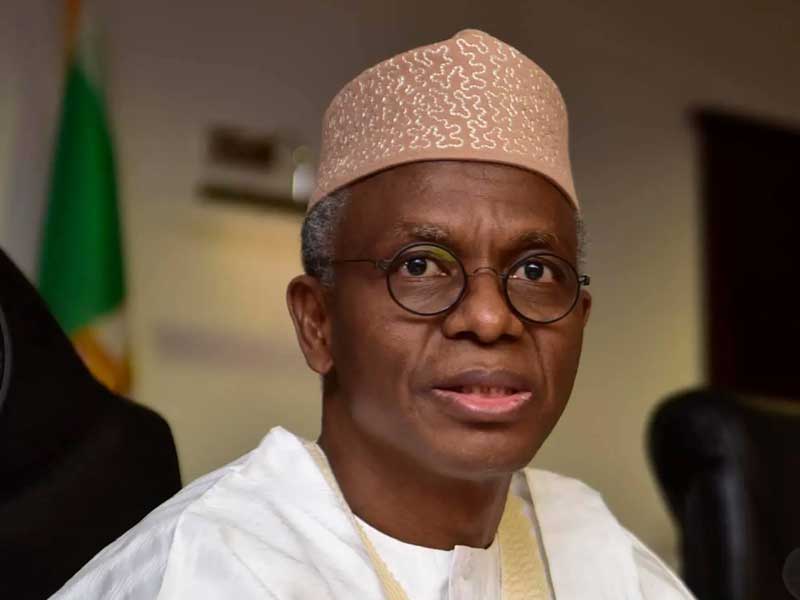
Operatives of the Department of State Services (DSS) have taken former Kaduna State Governor, Nasir el-Rufai, into custody after he spent two nights with the Economic and Financial Crimes Commission (EFCC).
Sources familiar with the development said el-Rufai was picked up on Wednesday night from the EFCC headquarters in Abuja by officials of the secret police. The circumstances surrounding his transfer from one security agency to another were not immediately made public as of press time.
According to insiders, el-Rufai had been undergoing questioning at the EFCC before the DSS took him into custody. During his stay at the anti-graft agency, investigators reportedly made several attempts to obtain a written statement from him. However, sources said the former governor declined to provide a written response.
It remains unclear why el-Rufai refused to submit a written statement or whether he was advised by his legal team to remain silent. As of the time of filing this report, neither the DSS nor the EFCC had issued an official statement explaining the reasons for his detention or transfer.
The EFCC is Nigeria’s main anti-corruption agency. It is responsible for investigating and prosecuting cases related to financial crimes, including money laundering, fraud and abuse of public office. Over the years, the commission has invited and questioned several former governors and top government officials as part of its anti-graft efforts.
El-Rufai served as governor of Kaduna State from 2015 to 2023. Before becoming governor, he was the Minister of the Federal Capital Territory (FCT) from 2003 to 2007 under former President Olusegun Obasanjo. During his time in office as governor, el-Rufai was known for taking strong positions on governance, security and public sector reforms in Kaduna State.
His administration carried out several projects, including road construction, school reforms and civil service restructuring. However, his tenure was also marked by criticism from opposition groups and some civil society organisations over issues relating to security challenges in Kaduna State and decisions taken by his government.
Since leaving office in 2023, el-Rufai has remained active in national political discussions. He is considered one of the influential figures within the ruling party and has been vocal on policy and leadership matters.
The involvement of the DSS has added a new layer to the situation. The DSS is Nigeria’s domestic intelligence agency. It handles matters related to internal security, counter-intelligence and protection of key national interests.
While the EFCC focuses mainly on financial crimes, the DSS is known to handle cases that may involve national security concerns. However, it is not unusual for security agencies in Nigeria to work together or take over investigations depending on the nature of a case.
As of Wednesday night, there was no confirmation on whether el-Rufai would be formally charged in court or how long he would remain in DSS custody. His aides and political associates have yet to release a detailed statement on the development.
The news of el-Rufai’s detention is likely to trigger reactions across the political space. Supporters may see the move as politically motivated, while critics may argue that no public official is above the law.
In recent years, Nigeria has witnessed several high-profile investigations involving former governors and senior government officials. These cases often generate public interest and debate about the country’s fight against corruption and the independence of security agencies.
Civil society groups have repeatedly called for transparency in the handling of such matters. They argue that clear communication from security agencies helps to prevent rumours and maintain public trust.
For now, attention is focused on the DSS and what steps it may take next. It is expected that the agency will either continue its investigation or hand the matter back to the EFCC if necessary.

