
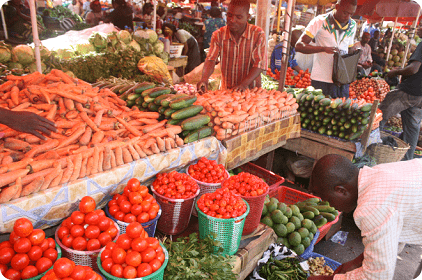
The National Orientation Agency (NOA) has warned traders and marketers across the country to stop hoarding food items and increasing prices unfairly during the Ramadan and Lent fasting periods.
In a statement released on Thursday, the Director-General of the agency, Lanre Issa-Onilu, said the agency had received reports that some traders were deliberately keeping back essential food items that are commonly consumed during fasting.
According to him, this action is creating artificial scarcity in many markets and forcing prices to rise beyond the reach of ordinary Nigerians.
Ramadan is a holy month observed by Muslims worldwide, including millions in Nigeria. It is a period of fasting, prayer and charity. During Ramadan, Muslims fast from dawn to sunset and often break their fast with food items such as rice, beans, bread, fruits and other basic staples.
Lent, observed by Christians, is also a period of fasting, prayer and sacrifice leading up to Easter. Many Christians either fast or reduce their meals during this period as a sign of spiritual reflection.
Both seasons are known for encouraging kindness, sharing and support for the less privileged. However, the NOA said it is worrying that some individuals are using this period to make excessive profit.
Issa-Onilu described the practice of hoarding food as harmful to both the economy and the moral values of the nation.
“This is a period that calls for reflection, charity and empathy for the less privileged. It is deeply troubling that some individuals would exploit this spiritual moment for excessive profit-making at the expense of vulnerable citizens,” he said.
In recent months, Nigerians have continued to struggle with high food prices and rising cost of living. Many families now spend a large part of their income on feeding. Basic items such as rice, garri, cooking oil, sugar and flour have seen significant increases in price across different states.
Economic experts say that when traders hoard goods, they reduce the supply available in the market. When supply drops and demand remains high, prices automatically go up. This situation creates artificial scarcity, even when there is enough food in the country.
The NOA warned that such actions could worsen inflation and increase hardship for families that are already struggling.
Inflation has remained a major challenge in Nigeria in recent years. Rising fuel costs, transportation expenses and exchange rate pressures have all affected the prices of goods and services. For many households, the fasting season already comes with additional spending on food and religious activities.
Issa-Onilu stressed that responsible behaviour in the market is not only a patriotic duty but also a moral obligation. He said fairness, transparency and moderation in pricing reflect Nigeria’s national values and are in line with the teachings of both Islam and Christianity.
He also called on trade associations, market unions and commodity groups to play an active role in controlling the actions of their members.
According to him, these groups must work closely with regulatory authorities to ensure ethical standards are maintained and to prevent exploitation of consumers.
Market associations often have strong influence over pricing and supply in many Nigerian markets. In the past, government agencies have relied on these associations to help stabilise prices and resolve disputes.
The NOA said it would continue to carry out public awareness campaigns across states and local government areas. The agency noted that educating citizens about economic responsibility and national unity remains part of its core mandate.
The National Orientation Agency is responsible for communicating government policies and promoting positive values among Nigerians. It often leads campaigns on civic duties, national unity and responsible citizenship.
Issa-Onilu assured Nigerians that the agency would keep monitoring market activities during the fasting season. He added that the NOA would continue to engage relevant stakeholders to protect citizens and uphold national values.
He urged Nigerians to report cases of exploitation and unfair pricing to appropriate authorities.
Some consumers who spoke to our correspondent expressed concern over rising prices in local markets. A civil servant in Abuja said she noticed that the price of rice and beans had increased in the past two weeks.
“It is becoming difficult for families. This is the time we are supposed to support one another, not make things harder,” she said.
In Lagos, a trader denied hoarding goods but admitted that transportation and supply challenges sometimes affect prices. However, consumer groups insist that deliberate hoarding by a few traders often worsens the situation.
As Ramadan and Lent continue, many Nigerians hope that traders will listen to the warning and act responsibly.
Religious leaders have also continued to preach messages of love, sacrifice and care for the poor during this period. Observers say that if traders follow these values, the fasting season can become a time of unity and shared responsibility rather than hardship.
For now, the NOA says it will remain vigilant and committed to ensuring that Nigerians are not unfairly burdened during this important spiritual season.

