
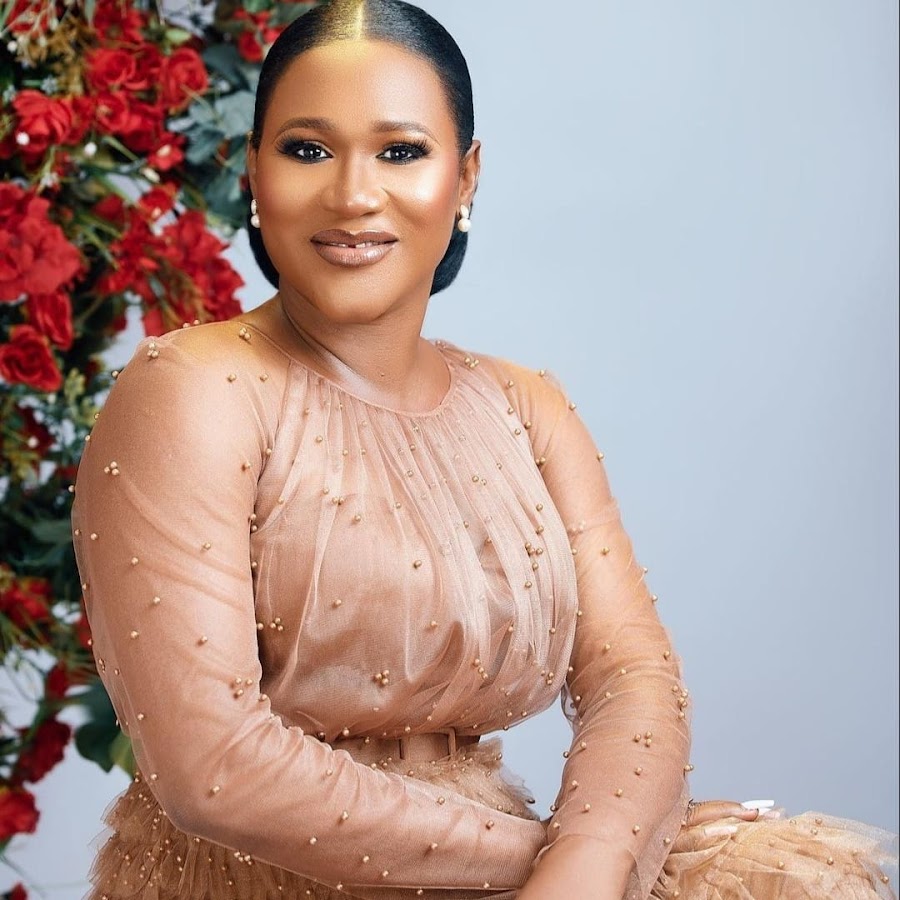
Sunmbo Adeoye, wife of Pastor David Adeoye, has spoken openly about her past relationship with Nigerian music legend Innocent Idibia, popularly known as 2Baba, and how the experience shaped her personal and spiritual growth.
She shared her reflections during a recent interview, where she discussed healing, purpose, and the role of faith in helping her move forward from past challenges.
Adeoye said she made a conscious decision not to allow her past to define her future, noting that the lessons she learned helped her discover a deeper understanding of life and purpose.
She explained that her transformation was rooted in faith and a renewed sense of direction.
According to her, understanding purpose gives meaning to painful experiences and allows individuals to grow rather than remain trapped in past mistakes.
She said: “That season taught me that God has a plan for everyone, but I chose not to equate a bad decision with a bad life.”
Her comments have generated widespread reactions on social media and in entertainment circles, especially because of the long public interest in her past relationship with the veteran singer.
Sunmbo and 2Baba were once in a well-known relationship and share children, a situation that attracted intense public attention at the time.
The relationship was widely discussed in the media and often became a subject of public debate and criticism.
For years, the story remained one of the most talked-about celebrity relationship controversies in Nigeria.
However, Adeoye said she eventually reached a point where she decided to focus on healing and personal development rather than public opinion.
She added that she found peace by surrendering her journey to God and focusing on her spiritual growth.
Her message has resonated with many Nigerians, especially young women dealing with public scrutiny and relationship struggles.
She also spoke about the importance of moving forward and not allowing stigma to shape one’s identity or future.
Adeoye emphasised that challenges can become stepping stones when individuals discover their purpose.
She said: “When you understand purpose, your pain will have a meaning.”
She also described her husband as a major blessing in her life and a source of support throughout her journey.
According to her, the marriage was not about proving a point to critics but about finding peace and fulfilment.
She said her husband was not on a rescue mission, but their union was divinely arranged.
Adeoye stated that grace and faith helped her overcome public criticism and gossip.
She also advised people to resist the temptation of explaining their personal lives to the public.
Her story highlights the growing trend of public figures in Nigeria speaking openly about mental health, healing, and spiritual growth.
In recent years, more celebrities have shared their personal struggles, including issues related to relationships, depression, and public pressure.
This shift has encouraged conversations about emotional wellbeing and resilience in Nigerian society.
Experts say such openness helps reduce stigma and promotes healthier coping strategies among young people.
Nigeria’s entertainment industry has become one of Africa’s most influential cultural sectors, with celebrities playing major roles in shaping social values and public conversations.
Figures like 2Baba have been central to the growth of the music industry and Afrobeats globally.
The singer, who rose to fame in the late 1990s and early 2000s, remains one of the most respected artists in Africa.
His music and personal life have often attracted global attention, making his relationships a subject of international media coverage.
The Afrobeats movement, driven by Nigerian artists, has expanded rapidly in recent years, gaining recognition in Europe, the United States, and other parts of the world.
Observers say this global attention has increased public interest in the private lives of Nigerian celebrities.
Adeoye also spoke about the criticism she faced when she got married to Pastor David Adeoye.
She revealed that the situation affected her husband’s church and caused some members to leave.
She said the experience was painful because of the emotional connection she had with members who distanced themselves.
However, she added that some of those members later returned, and they welcomed them with open arms.
She explained that leadership comes with responsibilities and emotional challenges.
According to her, it is important to accept that not everyone will remain in one’s life forever.
She noted that people who played major roles in the past may not be part of the future.
This perspective, she said, helped her maintain emotional balance and focus on her calling.
Her reflections have sparked discussions about forgiveness, acceptance, and growth in faith communities.
Religious leaders and counsellors say such experiences are common in ministry, especially when public controversies are involved.
They argue that resilience and spiritual maturity are essential for leaders navigating public pressure.
Adeoye’s story also reflects broader social issues, including how society judges women more harshly in relationship controversies.
Many commentators say women often face more criticism and stigma than men in similar situations.
Advocates have called for more balanced and fair public conversations about relationships and personal choices.
The interview has also renewed attention on the importance of compassion and empathy in public discourse.
As conversations continue, many Nigerians have praised Adeoye for her honesty and courage in sharing her journey.
They say her story offers hope and encouragement to others facing difficult situations.
For many, her reflections show that personal growth is possible regardless of past mistakes or public opinion.
Her message, centred on faith, purpose, and resilience, continues to resonate across Nigeria and beyond.
Observers say the impact of such testimonies extends beyond entertainment, influencing social attitudes, family values, and spiritual conversations in African societies.
As the country continues to grapple with economic and social challenges, stories of resilience and transformation remain powerful sources of inspiration.
Adeoye’s journey, they say, reminds Nigerians that healing and growth are possible, even in the face of intense public scrutiny.

