
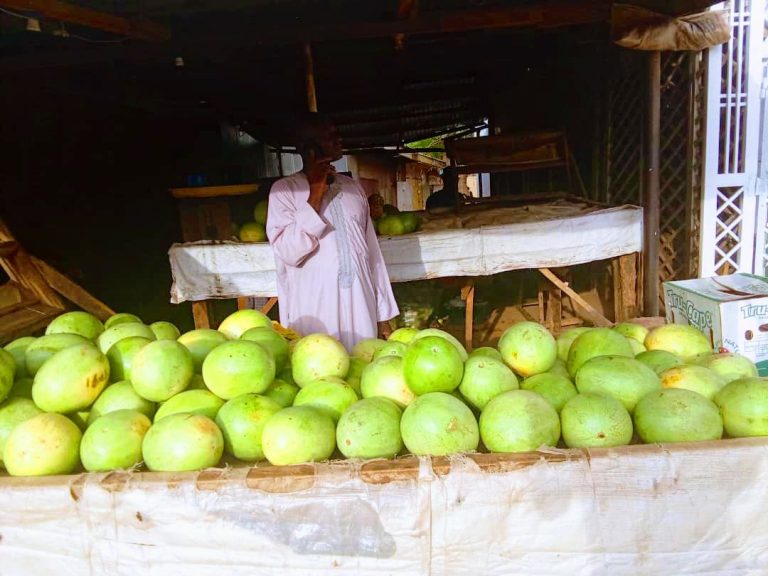
The National Agency for Food and Drug Administration and Control (NAFDAC) has uncovered the use of calcium carbide, a harmful chemical, by some fruit dealers to ripen fruits for sale in Sokoto State.
The NAFDAC Coordinator in Sokoto State, Mr Abdulsalam Lawal, disclosed this on Thursday. He warned traders to stop the practice immediately, especially as Muslims across the country observe the holy month of Ramadan, a period when fruit consumption usually increases.
According to Lawal, the use of calcium carbide to force fruits to ripen is dangerous and poses serious risks to public health.
Ramadan is a sacred month for Muslims, marked by daily fasting from dawn to sunset. During this period, many people break their fast with fruits because they are light, refreshing, and easy to digest.
Fruits such as mangoes, bananas, pawpaw, and watermelon are in high demand in markets during Ramadan. Because of this increased demand, some traders are tempted to use artificial methods to make unripe fruits appear ripe and ready for sale.
Lawal expressed concern that the use of calcium carbide becomes more common during this period.
“With Ramadan fasting, a period of increased fruit consumption, using calcium carbide to hasten the ripening of fruits is hazardous to our health,” he said.
He explained that calcium carbide is a chemical meant for industrial purposes, not for food processing.
Calcium carbide is mainly used by welders for tasks such as melting iron and steel. When it comes into contact with moisture, it produces acetylene gas, which can speed up the ripening of fruits.
However, health experts warn that this method is unsafe. The chemical may contain traces of arsenic and phosphorus, which are harmful to humans.
According to Lawal, only trained professionals such as welders are permitted to handle calcium carbide for industrial use. It is not approved for use in food production or preservation.
He stressed that NAFDAC would step up surveillance to ensure that the chemical is not diverted from industrial use to fruit markets.
NAFDAC warned that consuming fruits ripened with calcium carbide can lead to serious health problems.
Lawal listed some of the possible health risks as kidney damage, cancer, high blood pressure, and other long-term illnesses.
Medical experts say that fruits ripened with harmful chemicals may look attractive on the outside but may not be fully ripe inside. They may also contain chemical residues that can cause stomach upset, vomiting, diarrhoea, and other health issues.
Children, pregnant women, and elderly people are considered more vulnerable to these risks.
Public health officials have repeatedly advised traders to adopt safe and natural methods of ripening fruits. Natural ripening may take longer, but it does not expose consumers to harmful substances.
Lawal identified mangoes, bananas, pawpaw, watermelon, and other popular fruits as those commonly ripened with calcium carbide.
In many Nigerian markets, fruits are transported from farms in large quantities while still unripe. Traders sometimes use chemicals to speed up the ripening process so they can sell quickly and avoid losses.
However, NAFDAC says this shortcut puts profit above public safety.
The agency has called on fruit sellers to stop the practice and warned that anyone caught using banned chemicals will face sanctions.
NAFDAC is the federal agency responsible for regulating and controlling the manufacture, importation, exportation, distribution, advertisement, sale, and use of food, drugs, cosmetics, and other regulated products in Nigeria.
Over the years, the agency has carried out raids and inspections across markets and warehouses to remove fake, expired, or unsafe products.
Food safety has become a major concern in Nigeria due to cases of contaminated food, fake drinks, and improper storage methods.
The discovery in Sokoto is part of ongoing monitoring efforts by the agency, especially during festive or religious seasons when food items are in high demand.
Lawal urged consumers to be vigilant and to report suspicious practices to authorities.
He advised buyers to look out for signs of naturally ripened fruits, such as uniform colour and natural smell, and to avoid fruits that look overly bright or ripened too quickly.
He also called on market leaders and associations to educate their members on the dangers of using harmful chemicals.
“Fruit dealers and sellers must stop this dangerous practice. It is harmful and poses serious risks to public health,” he said.
He added that NAFDAC would intensify inspections in markets across Sokoto State to ensure compliance.
Food safety remains an important issue across Nigeria. In recent years, government agencies have stepped up efforts to reduce the circulation of unsafe food products.
As Ramadan continues, many families depend on fruits as part of their daily meals at sunset. Ensuring that these fruits are safe is not only a health issue but also a moral responsibility for traders.
For now, NAFDAC has made it clear that it will not tolerate the misuse of industrial chemicals in food handling.
Consumers are advised to wash fruits thoroughly before eating and to buy from trusted vendors.
With increased monitoring and public cooperation, authorities hope to reduce the risks and ensure that families can observe Ramadan without fear of harmful food practices.