
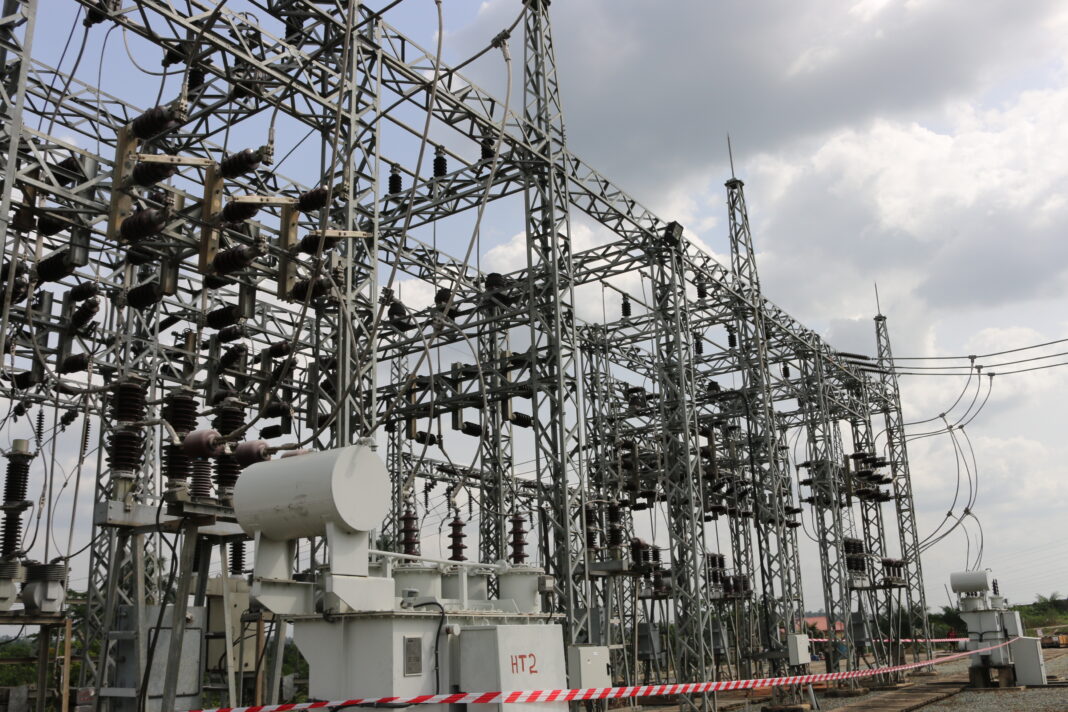
Electricity supply across the South-East has dropped sharply, and the Enugu Electricity Distribution Company (EEDC) says the problem is due to inadequate gas supply to thermal power stations.
In a statement released on Friday, the company’s spokesperson, Emeka Ezeh, explained that the shortage of gas has reduced the amount of electricity generated and sent to the national grid. As a result, less power is being allocated to distribution companies, including EEDC.
EEDC supplies electricity to five states in the South-East — Enugu, Anambra, Ebonyi, Abia and Imo. Many residents and businesses in these states have complained in recent days about longer hours of blackout and unstable power.
According to the company, most of Nigeria’s power plants depend on gas to generate electricity. When gas supply drops, the generating stations cannot produce enough power. This affects the entire country because the electricity produced is pooled into the national grid before it is shared among distribution companies.
EEDC said the current gas supply challenge has “significantly reduced the energy allocated from the national grid.”
The company apologized to its customers for the inconvenience caused by the situation.
“We assure our customers that we will continue to liaise with relevant stakeholders, hoping that the gas supply constraints and generation challenge will be resolved soon,” the statement read.
“We sincerely regret the inconvenience this situation may cause our esteemed customers and appreciate your continued patience and understanding.”
Many small business owners in the region say the drop in electricity has increased their operating costs, as they now depend more on petrol and diesel generators. Households have also expressed frustration over the impact on daily life, especially with rising fuel prices.
The development in the South-East is not an isolated case. Earlier on Friday, the Nigeria Independent System Operator also blamed a nationwide drop in electricity supply on gas shortage.
The system operator, which manages the national grid, said several power plants were generating below capacity because they were not getting enough gas to run their turbines.
Nigeria relies heavily on thermal power stations that use natural gas. Although the country is rich in gas resources, problems such as pipeline vandalism, debts owed to gas suppliers, and poor infrastructure often disrupt supply to power plants.
Nigeria’s power sector has faced long-standing challenges despite reforms over the past decade. In 2013, the Federal Government privatised generation and distribution companies, including EEDC, in a bid to improve efficiency and attract investment.
However, problems such as inadequate gas supply, ageing equipment, low investment, and poor revenue collection have continued to affect the sector.
Over the years, national power generation has hovered between 3,000 and 5,000 megawatts, far below the estimated demand of over 20,000 megawatts for a country of more than 200 million people. This gap has forced many homes and businesses to rely on private generators.
The Federal Government has repeatedly promised to address the problem by improving gas infrastructure and ensuring better payment systems within the power value chain.
For now, EEDC says it is working closely with relevant authorities to restore stable supply as soon as possible. The company did not give a timeline for when the situation will improve, but it expressed hope that the gas constraints would be resolved soon.
Customers, however, are calling for lasting solutions rather than repeated explanations. Some residents say the frequent power shortages are affecting businesses, healthcare services, and students preparing for examinations.
As the dry season continues, demand for electricity is expected to rise in many homes and offices due to increased use of cooling systems. This could put further pressure on the already strained grid if gas supply does not improve.

