
The family of former Kaduna State Governor, Nasir El-Rufai, has denied reports that sophisticated phone-tapping equipment and sensitive security documents were found during a search of his Abuja residence.
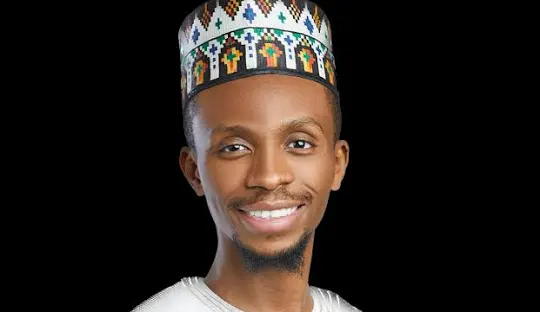
In a statement released on Monday, his son, Mohammed Bello El-Rufai, described the claims as false and politically motivated. He insisted that no such equipment was recovered from the property.
Mohammed, who represents Kaduna North Federal Constituency in the House of Representatives, said the family was present during the search and could confirm that only personal items were taken away.
“We were present when these items were seized. No equipment other than old discarded personal mobile phones and storage devices like flash drives and laptops were taken from the property,” the statement said.
The controversy follows affidavits reportedly filed by the Independent Corrupt Practices and Other Related Offences Commission before the High Court of the Federal Capital Territory.
According to the commission, operatives who carried out the search allegedly recovered “electronic magnetic equipment capable of tapping conversations” and “sensitive security documents capable of compromising national security.”
The search was said to have taken place in the presence of El-Rufai’s wife, Hadiza Isma El-Rufai, and his son.
In its court filings, the anti-corruption agency also claimed that El-Rufai had admitted on national television to tapping the telephone conversations of the National Security Adviser, Mallam Nuhu Ribadu.
The commission stated that during the search, certain electronic equipment allegedly capable of tapping conversations was found. It further said El-Rufai refused to sign a consent form that would allow investigators to access the equipment.
The ICPC also alleged that sensitive documents belonging to various security agencies were recovered from the house. In addition, it claimed that the former governor had threatened potential prosecution witnesses, with one witness reportedly seeking protection from the commission.
However, the family has strongly rejected these claims. In a statement posted on social media, Mohammed El-Rufai accused the commission of engaging in what he described as a “media war” instead of following due process.
On the issue of alleged non-cooperation, the family defended the former governor’s decision to remain silent during questioning.
“The Constitution of the Federal Republic of Nigeria guarantees every citizen the right to remain silent. This is not an act of non-cooperation; it is a fundamental human right,” the statement said.
Quoting his father, Mohammed added: “Charge me, if you have anything against me. You have had more than two years to investigate me. Take me to court, please.”
The family also claimed that the search warrant used to carry out the operation was defective and had been challenged in court. According to them, their lawyers have filed a case questioning the legality of the warrant and the search.
They described the warrant as fraudulently obtained and said they would pursue all legal options available to them.
Nasir El-Rufai has been in custody since February 16, 2026, when he reportedly honoured an invitation by the Economic and Financial Crimes Commission.
He was first detained by the EFCC and later transferred to the ICPC on February 18, 2026. On February 19, a 14-day remand order was obtained to keep him in custody while investigations continue.
The former governor is being investigated over alleged corruption and financial improprieties during his tenure as Kaduna State governor between 2015 and 2023.
The allegations include suspicious payments, diversion of public funds, and questions surrounding large sums of money, including €1.4 million.
El-Rufai served as governor of Kaduna State for two terms under the All Progressives Congress (APC). During his time in office, he was known for carrying out reforms in education, civil service restructuring, and infrastructure development. However, his administration also faced criticism from opposition figures and some civil society groups over governance issues.
Anti-corruption agencies in Nigeria have in recent years stepped up investigations into former public office holders as part of efforts to promote accountability and transparency in government.
Nigeria’s fight against corruption has remained a major issue in national politics. Successive administrations have promised to strengthen institutions such as the EFCC and ICPC to tackle financial crimes and misuse of public funds.
At the same time, critics have sometimes accused anti-corruption agencies of acting under political pressure. This has led to debates about due process, human rights, and the rule of law.
In addition to responding to the allegations, El-Rufai has filed a fundamental rights enforcement suit, seeking N1 billion in damages. In the suit, he is challenging the legality of the raid on his Abuja residence and alleging violations of his rights to dignity, personal liberty, fair hearing, and privacy.
For now, the former governor remains in custody, while his family continues to speak out against what they describe as unfair treatment.
The case has attracted national attention, given El-Rufai’s high profile in Nigerian politics and his close involvement in key national debates over the years.
As investigations continue, many Nigerians are watching closely to see how the matter unfolds in court and whether formal charges will be filed.
Both the anti-corruption agencies and the El-Rufai family have expressed confidence in their positions. The final outcome will likely depend on the evidence presented before the court and the decisions of the judiciary.

