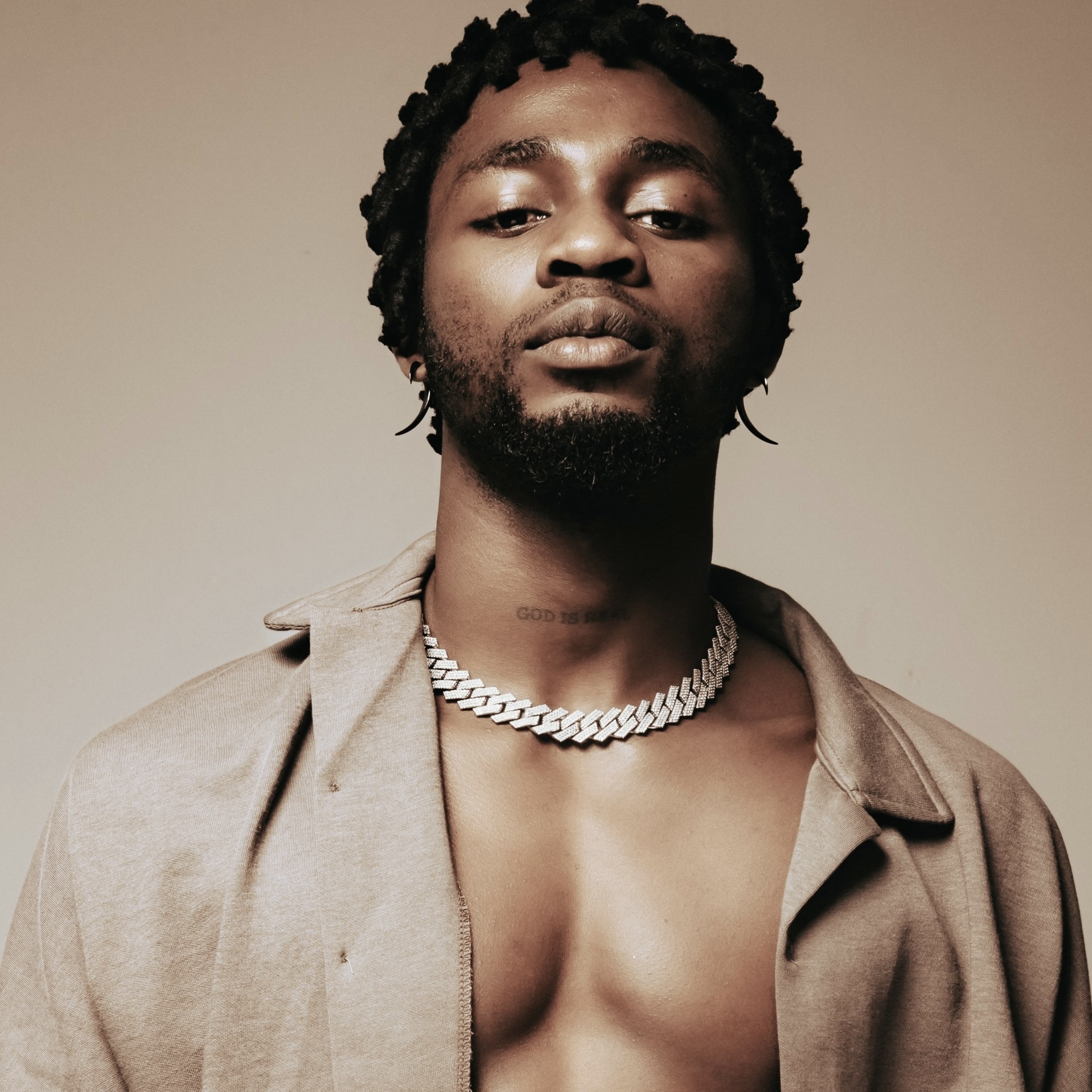
Nigerian singer Omah Lay has revealed the challenges he faced trying to break into the Lagos-based music industry, stating that the Afrobeats scene is largely centred in Lagos and dominated by Yoruba artists.
The 24-year-old musician, who hails from Port Harcourt, made the comments during the listening party for his forthcoming album, “Clarity Of Mind.” He explained that establishing himself in the Nigerian music industry was not easy because the epicentre of Afrobeats is in Lagos.
“Afrobeats is mainly Lagos. It is mainly Yorubas. Fela Kuti is the pioneer, we all know that and he is Yoruba,” Omah Lay said during the event, referencing the late Fela Kuti, whose music laid the foundation for what would later evolve into modern Afrobeats.
Omah Lay noted that artists coming from outside Lagos often have to work harder to gain recognition in the Afrobeats industry. He pointed out that only a few musicians from Port Harcourt have achieved global fame, citing Burna Boy as one of the notable exceptions.
“I am from Port Harcourt and you have to break into Lagos. There are only two people from PH that you know; Burna Boy and me,” he said.
The singer further revealed that the pressure to gain acceptance in Lagos became overwhelming at a certain point in his career. Facing constant comparisons and competition, Omah Lay eventually decided to shift his focus away from seeking validation from the wider industry. Instead, he concentrated on the love and support from his family and loyal fans, which he says became his main motivation.
“It got to a point I said I’m going to take my time and focus on my family and fans — the people who truly love me,” he explained.
Afrobeats, which blends traditional Nigerian sounds with modern pop, hip-hop, and electronic music, has become a global phenomenon. However, Lagos remains the heart of the industry, housing top record labels, studios, and promoters. The city also hosts major music events and award shows, giving Lagos-based artists a natural advantage in exposure and networking.
The genre itself traces its roots to Fela Kuti, the legendary musician and activist from Lagos, whose Afrobeat sound combined jazz, funk, and traditional Yoruba rhythms. Over the decades, Lagos has remained the main hub for new talent, making it challenging for artists from other Nigerian states to break through.
Despite the city’s dominance, the global growth of Afrobeats has created opportunities for artists from other regions of Nigeria and Africa. Stars like Wizkid (Lagos), Davido (born in Atlanta but raised in Lagos), and Tems (Lagos) have enjoyed international success, showing that talent can emerge from Lagos as well as other parts of the country.
Following Omah Lay’s remarks, fans on social media have expressed mixed reactions. Some agreed with his observation, noting that Lagos is indeed the hub for Afrobeats and that Yoruba artists have historically shaped the industry. Others argued that Afrobeats has grown into a global movement, with artists from different Nigerian cities and African countries making their mark.
The singer’s comments also sparked discussions about the pressures faced by non-Lagos artists. Many observers highlighted that breaking into the Lagos scene often requires not just talent but strong connections, financial resources, and persistent effort.
Since emerging on the Nigerian music scene in 2019 with hits like “Bad Influence” and “Lo Lo”, Omah Lay has steadily gained recognition both in Nigeria and internationally. Despite the challenges of coming from Port Harcourt, he has carved out his own space in the Afrobeats industry, collaborating with other top artists and performing at major shows.
His decision to focus on family and loyal fans reflects a growing trend among artists who prioritize personal well-being over constant industry approval. Omah Lay’s approach also underlines the importance of a strong support system for musicians navigating the competitive Lagos music environment.
Omah Lay’s remarks highlight the ongoing challenges of regional imbalance within the Nigerian music industry. While Lagos remains a major hub, the rise of digital platforms and social media has helped artists from other parts of the country gain visibility. Music streaming services, YouTube, and TikTok have become important tools for breaking barriers and reaching wider audiences.

