
President Bola Ahmed Tinubu has established a new Presidential Petroleum Reform and Value Optimization Taskforce to drive the next phase of reforms in Nigeria’s oil and gas sector.
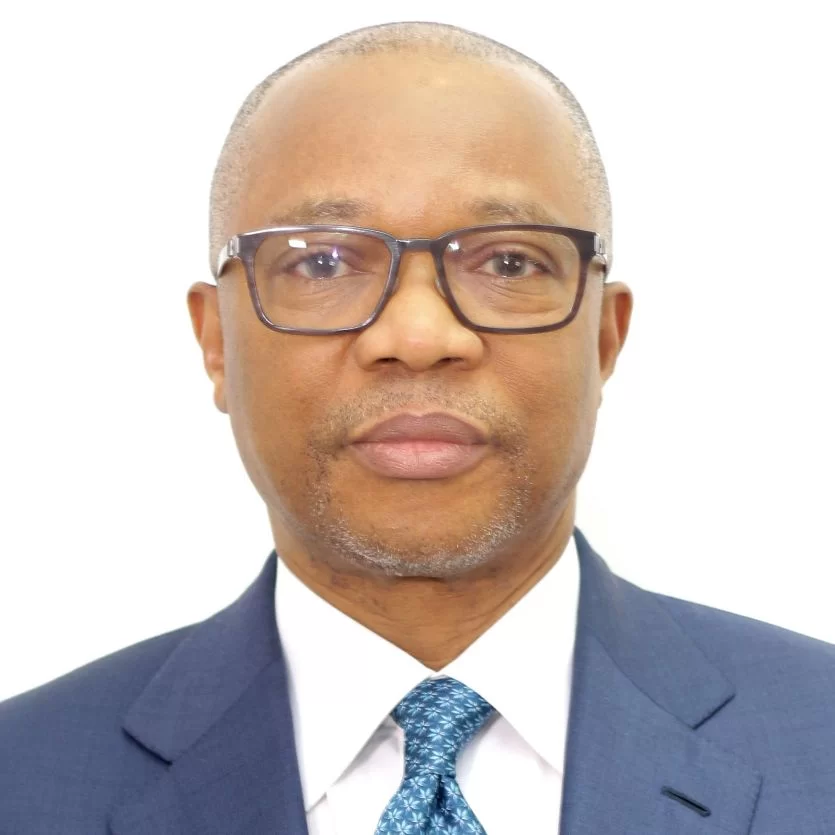
The President also appointed Fola Adeola, a respected banker and entrepreneur, as chairman of the task force.
The development was announced in a statement released on Friday by the Special Adviser to the President on Information and Strategy, Bayo Onanuga.
According to the statement, the task force will function as a high-level executive working group responsible for designing practical reform plans for Nigeria’s petroleum sector.
The Presidency said the task force was created to consolidate existing reforms and help strengthen Nigeria’s position as a major energy investment destination.
The oil and gas industry remains one of the most important sectors of the Nigerian economy. It provides the majority of the country’s foreign exchange earnings and contributes significantly to government revenue.
However, the sector has faced several challenges over the years, including declining production, infrastructure problems, oil theft, and delays in attracting new investments.
By setting up the task force, the government hopes to improve transparency, attract investment, and increase the value Nigeria gains from its petroleum resources.
“The initiative reflects the President’s commitment to transforming Nigeria’s petroleum industry into a more competitive, transparent, and value-maximising sector capable of driving long-term economic growth,” the statement said.
Apart from Adeola, several other experts and professionals were appointed to serve on the task force.
They include Ademola Adeyemi‑Bero, Osagie Okunbor, Abubakar Suleiman, Adaeze Aguele, Farouk Gumel, Phillipa Osakwe‑Okoye and Seyi Bella.
Mofoluwasho Fadayomi will serve as the secretary of the task force.
The Presidency said the group consists of experienced professionals drawn from finance, energy, and investment sectors to provide technical expertise for the reform programme.
The task force will function mainly as a technical reform body rather than a representative committee.
It will consult widely with industry operators, regulators, investors, and civil society organisations while focusing on designing practical policies and implementation strategies.
The group will report directly to President Tinubu and will provide monthly progress updates.
According to the statement, an interim report is expected within three months, while the final report is expected within six months of the task force’s inauguration.
Once the final report is submitted and accepted, the task force will automatically dissolve.
The President has asked the task force to produce three major reform plans.
The first plan is an Implementation Toolkit for Immediate Structural Fixes. This will include proposals for legislative changes, executive policies, and institutional restructuring aimed at improving how the petroleum sector is managed.
The second plan is the Capital and Liquidity Acceleration Blueprint. This proposal is expected to identify ways of unlocking between five billion and ten billion dollars in liquidity for the sector while protecting Nigeria’s national interests.
The third plan is a National Energy Transformation Strategy. This will be a ten-year roadmap designed to improve energy production and increase the contribution of the sector to the country’s economy.
The roadmap will include measurable targets such as crude oil production levels, foreign exchange earnings, contribution to gross domestic product, and cost competitiveness.
President Tinubu also directed all government ministries, departments, and agencies connected with the petroleum sector to cooperate fully with the new task force.
He instructed them to provide technical support and share information about ongoing reform initiatives in the sector.
This includes institutions such as the Nigerian National Petroleum Company Limited and the Nigerian Upstream Petroleum Regulatory Commission.
The directive is aimed at ensuring that the task force’s work aligns with existing programmes and avoids duplication.
The President also instructed that all committees and working groups already involved in petroleum sector reforms should align their activities with the new task force.
According to the Presidency, this step is intended to ensure coordination and clarity in the reform process.
“The streamlining will ensure coordination, avoid duplication of mandates, and provide institutional clarity,” the statement said.
Nigeria has been working for years to reform its oil and gas industry in order to make it more efficient and attractive to investors.
One of the most significant steps in recent times was the passage of the Petroleum Industry Act.
The law introduced new regulatory institutions and aimed to modernise the management of Nigeria’s petroleum resources.
Despite the reforms introduced by the law, experts say additional steps are still needed to improve investment flows and increase production levels.
Nigeria has one of the largest oil reserves in Africa, but production has sometimes fallen below targets due to operational and security challenges.
The government hopes that new reforms will help restore investor confidence and increase energy output.
The chairman of the task force, Fola Adeola, is widely known in Nigeria’s business and banking sectors.
He co-founded Guaranty Trust Bank in 1990 and served as its pioneer managing director until 2002.
Under his leadership, the bank grew into one of the country’s most respected financial institutions.
Adeola is also the founder of the Fate Foundation, which he established in 2000.
The foundation focuses on promoting entrepreneurship and helping young Nigerians start and grow businesses.
Over the years, Adeola has been involved in several initiatives aimed at economic development and private sector growth.
The petroleum sector remains a key source of government revenue and foreign exchange earnings.
Improving the efficiency of the sector could increase national income, strengthen the economy, and create more opportunities for industrial development.
The Presidency described the creation of the task force as an important step in achieving long-term economic transformation.
Onanuga said the initiative would help strengthen governance in the energy sector and ensure that Nigeria gains maximum value from its petroleum resources.
“The task force is a strategic presidential instrument to accelerate petroleum sector reforms, strengthen governance architecture, optimise national energy assets, and position Nigeria’s petroleum resources as a foundation for sustainable economic transformation,” he said.

