
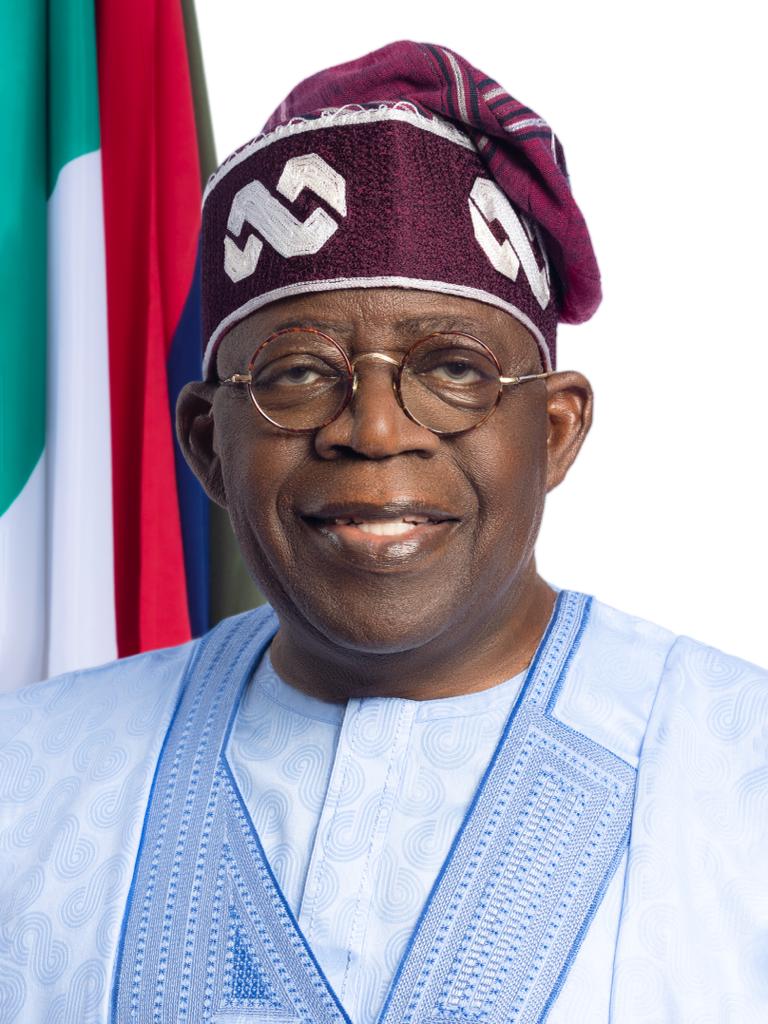
President Bola Ahmed Tinubu has admitted that he was “a little bit stubborn” during the early days of his administration as he worked to introduce reforms aimed at improving governance and the living conditions of Nigerians.
The president made the remark during an interfaith breaking of the fast with senior journalists and media executives at the Aso Rock Presidential Villa. The gathering brought together leaders from different media organisations to discuss national issues and reflect on the work of the government.
According to the president, his approach at the start of the administration was driven by a strong desire to correct problems that had affected the country for many years.
“At the beginning of this administration, I was just a little bit stubborn, looking at opportunities to correct things and make life easier for the downtrodden,” he said.
Tinubu explained that some of the decisions taken by his government required determination because they were aimed at changing long-standing systems in the country.
During the meeting, Tinubu also spoke about the importance of the media in holding leaders accountable and keeping citizens informed.
He said reading newspapers is part of his daily routine and helps him stay informed about events in the country.
“There’s no morning that I ever leave my house without going through the newspapers. It’s an addiction. I read all of you,” the president said while addressing the journalists.
He noted that even when he cannot read every report in detail, he still pays attention to headlines and key stories that highlight important issues affecting Nigerians.
“It might not be in full detail, but headline, the one that would hit me and the ones that won’t,” he added.
The president said media reports often help him understand public concerns and the issues that require urgent attention from the government.
Tinubu also used the opportunity to speak about the reforms his administration is pursuing to strengthen the principle of federalism in Nigeria.
He said the government has taken steps to ensure that local governments receive their allocations directly from the Federal Government.
According to him, this move is intended to promote transparency and improve development at the grassroots level.
“We’ve opened up the principle of federalism to the extent that local governments are now getting their money,” he said.
However, the president also stressed that local authorities must take responsibility for how they use the funds.
“But how they use it is in your hands. So, don’t bombard me alone,” he told the journalists.
The issue of local government autonomy has been a major topic in Nigeria’s political system for many years.
Under the country’s federal structure, Nigeria has three main levels of government: the federal government, state governments, and local governments.
However, in practice, many local governments have often depended heavily on state governments for the release and management of funds.
This situation has led to criticism from civil society groups and political observers who argue that local governments are unable to function effectively because they do not have full control over their finances.
In recent years, discussions about strengthening local government autonomy have gained more attention as part of broader efforts to improve governance and development at the community level.
Supporters of direct funding say it can help local authorities carry out projects such as road construction, health services, education programs, and sanitation initiatives more efficiently.
Since assuming office in May 2023, the administration of Bola Ahmed Tinubu has introduced a number of policy reforms aimed at reshaping the Nigerian economy and improving government operations.
One of the most widely discussed decisions was the removal of the long-standing fuel subsidy, a policy that had been in place for decades. The government argued that removing the subsidy would save billions of naira and allow the funds to be used for national development.
However, the move also led to an increase in fuel prices and transportation costs across the country, which has contributed to rising living expenses for many Nigerians.
The government has since introduced measures aimed at reducing the impact of these changes, including social support programs and economic initiatives designed to stimulate growth.
The meeting between the president and media leaders also highlighted the role of the press in Nigeria’s democracy.
Journalists and media organisations play a key role in informing the public about government policies, reporting on national events, and providing a platform for public debate.
Regular interaction between government officials and media representatives is often seen as an important part of maintaining transparency and accountability.
By hosting the interfaith breaking of fast event with journalists at the Aso Rock Presidential Villa, the president signalled the importance of dialogue between the government and the media.
Tinubu said his administration remains committed to improving governance and creating better opportunities for Nigerians, especially those who are struggling economically.
He highlighted that the decisions taken by his government are intended to create long-term benefits for the country, even if they require difficult adjustments in the short term.
For now, the administration continues to focus on economic recovery, security improvement, and governance reforms as it works to address the country’s many challenges.

