
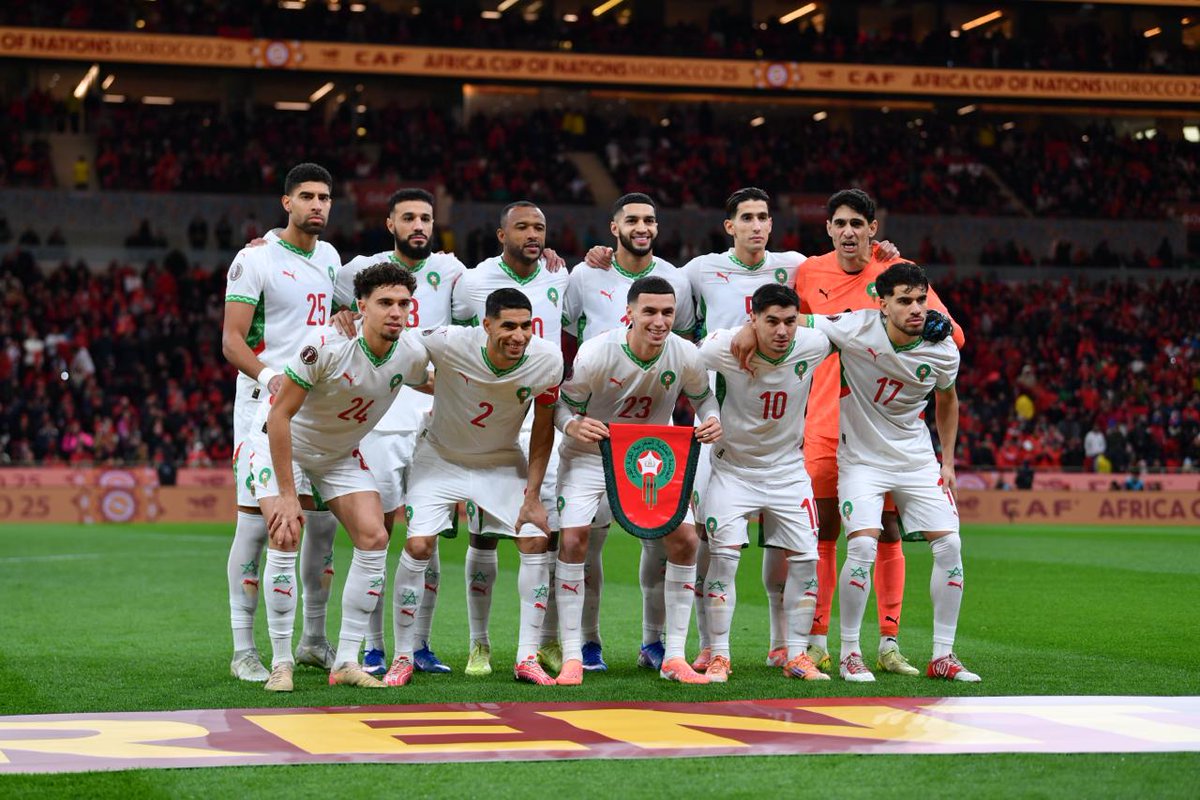
In a dramatic twist that has shaken African football, the Confederation of African Football (CAF) has stripped Senegal of the 2025 Africa Cup of Nations (AFCON) title and awarded the trophy to Morocco following a ruling by its Appeal Board.
The decision, announced on Tuesday, overturns the original result of the final played in Rabat, where Senegal had defeated host nation Morocco 1–0 after extra time. The match had been widely celebrated as Senegal’s second continental triumph, but it was also overshadowed by controversy and chaotic scenes that have now led to its reversal.
Appeal Board Overturns Initial Decision
CAF’s Appeal Board ruled in favour of Morocco after reviewing a protest filed by the Royal Moroccan Football Federation (FRMF). The board found that Senegal’s conduct during the final breached tournament regulations, particularly provisions that prohibit a team from leaving the field of play without the referee’s permission.
As a result, Senegal was deemed to have forfeited the match, and the final score has now been officially recorded as 3–0 in favour of Morocco.
The ruling effectively nullifies Senegal’s victory and crowns Morocco as African champions for the second time in their history, ending a decades-long wait since their first title in 1976.
What Happened in the Final
The controversy stems from events late in the match at the Prince Moulay Abdellah Stadium in Rabat on January 18, 2026.
With the game still goalless in regulation time, Morocco were awarded a penalty after a VAR review showed a foul on Brahim Diaz. The decision sparked outrage among Senegal’s players and coaching staff.
In protest, Senegal’s coach, Pape Thiaw, instructed his players to walk off the pitch. The protest caused a lengthy delay and led to chaotic scenes, including confrontations among players and unrest in the stands.
Although Senegal eventually returned to the field and went on to score the winning goal in extra time, CAF later determined that the walk-off itself constituted a serious breach of the rules.
According to CAF regulations, any team that refuses to continue play or leaves the pitch without approval is considered to have forfeited the match.
From Celebration to Controversy
At the time, Senegal’s victory was seen as a major achievement. Having previously won their first AFCON title in 2021, the Teranga Lions appeared to have cemented their status as one of Africa’s dominant football nations.
However, the final quickly became one of the most controversial in the tournament’s history.
Reports from the match described “farcical scenes,” including a 14-minute stoppage, heated arguments with match officials, and a missed penalty by Morocco that added to the drama.
The situation drew criticism from global football authorities, including FIFA, which condemned the behaviour of players and fans and called for disciplinary action.
Legal and Disciplinary Fallout
Following the match, Morocco lodged a formal protest, arguing that Senegal’s walk-off violated CAF rules and should result in sanctions.
CAF’s Disciplinary Committee initially rejected the protest, allowing Senegal to retain the title. However, Morocco appealed the decision, leading to a fresh review by the Appeal Board.
In its final ruling, the Appeal Board sided with Morocco, citing Articles 82 and 84 of the AFCON regulations, which deal with misconduct and match forfeiture.
The decision not only changes the outcome of the final but also sets a significant precedent for how similar incidents will be handled in future competitions.
Reactions and Implications
The ruling is expected to generate strong reactions across the football community, particularly in Senegal, where the team’s triumph had been widely celebrated.
For Morocco, the decision represents a historic victory, albeit one achieved off the pitch. The North African nation had not won the AFCON title in nearly 50 years and will now be officially recognised as champions of the 2025 edition.
For CAF, the case highlights the importance of discipline and adherence to rules, even in high-stakes matches.
A Lesson for African Football
Beyond the immediate controversy, the incident raises broader questions about officiating, the use of VAR, and player conduct in African football.
While the final showcased the passion and intensity of the game, it also exposed challenges related to discipline and match management.
CAF’s decision sends a clear message that no team is above the rules and that actions taken during matches can have far-reaching consequences.