
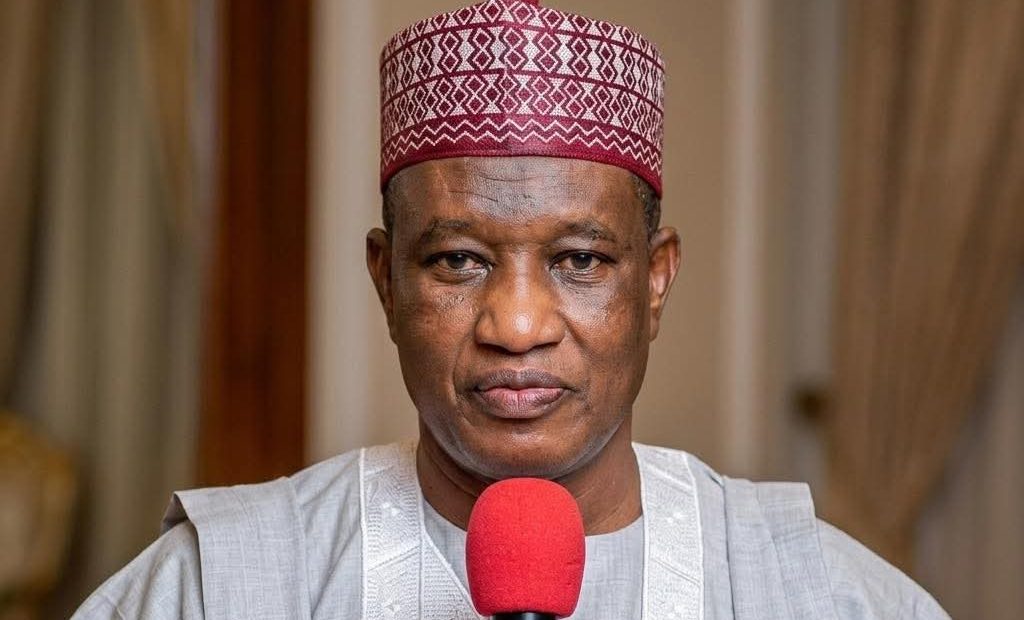
The Deputy Governor of Kano State, Aminu Abdussalam Gwarzo, has resigned from office, bringing a sudden twist to the political situation in the state.
The resignation was confirmed on Friday by his spokesperson, Ibrahim Shuaibu, who said the decision had already been formally communicated. However, he did not give details about the reasons behind the move.
“Yes, it is true. The deputy governor has resigned from his position,” Shuaibu said briefly, declining to explain further.
Although no official reason has been announced, the resignation comes at a time of rising tension between Gwarzo and the Kano State House of Assembly. In recent days, the Assembly had raised several allegations against the deputy governor, including claims of misconduct and concerns about how he carried out his duties.
Lawmakers were also said to be taking steps that could have led to disciplinary action. Political observers had described these moves as a possible step toward impeachment or other sanctions, raising fears of a political crisis within the Kano State government.
Gwarzo’s sudden exit appears to have brought a temporary end to that confrontation, but it has also created fresh questions about the stability of the current administration and what happens next.
The development is happening at a time of major political changes in Kano State, following the recent defection of Governor Abba Kabir Yusuf to the All Progressives Congress (APC). The governor’s move has led to shifts in alliances and changes in government structure, as the administration adjusts to a new political direction.
In Nigerian politics, defections by top officials often lead to wider changes, including cabinet reshuffles and new appointments. Kano State appears to be going through such a phase, with several key decisions already taken by the governor in recent weeks.
As part of efforts to reorganise the government, Governor Yusuf recently removed the Head of Service, Abdullahi Musa. The decision was said to be aimed at improving discipline and efficiency in the civil service.
In a similar move, the governor also dismissed the Commissioner for Investment, Commerce and Industry, Shehu Wada Sagagi. The government explained that the action was part of a broader plan to restructure operations and improve service delivery to the people of the state.
Before his resignation, Gwarzo was said to be under scrutiny by the State Assembly. Sources within the Assembly had indicated that lawmakers were reviewing allegations against him, although full details were not made public.
In Nigeria’s political system, deputy governors play an important role in supporting the governor and helping to manage the affairs of the state. They are also expected to step in when the governor is unavailable. Because of this, any conflict between a governor and deputy governor, or between a deputy governor and lawmakers, can affect the smooth running of government.
The situation in Kano reflects a pattern seen in other states, where disagreements within the executive arm or with the legislature sometimes lead to resignations, impeachments, or major political shifts.
With Gwarzo’s resignation, attention will now turn to the next steps as provided by law. According to the Nigerian Constitution, the governor is expected to nominate a new deputy governor. The nominee must then be approved by the Kano State House of Assembly before taking office.
This means the Assembly, which was previously in conflict with the outgoing deputy governor, will now play a key role in deciding who becomes the next deputy governor.
For now, Gwarzo’s resignation marks the end of his tenure as deputy governor, but it also opens a new chapter in Kano’s political story. Many residents are watching closely to see how the situation develops and whether the recent changes will lead to better governance.
As Kano remains one of the most politically important states in northern Nigeria, developments within its government often attract national attention. The combination of political realignment, internal restructuring, and leadership changes suggests that the state is going through a period of transition.
In the coming days, more details may emerge about the circumstances surrounding Gwarzo’s resignation. For now, the focus remains on how the government will move forward and ensure stability in the face of ongoing changes.