
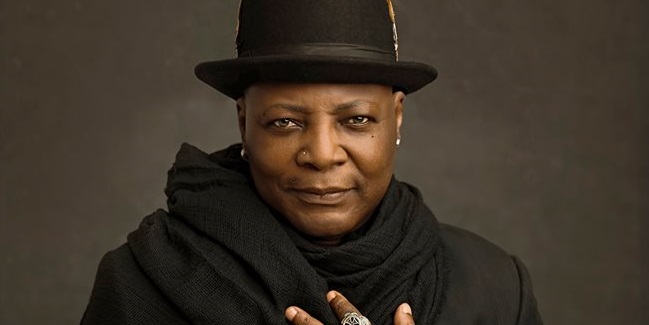
Popular Nigerian entertainer and activist Charles Oputa, widely known as Charly Boy, has raised fresh concerns about the country’s economic situation ahead of the 2027 general elections. He warned that hardship in Nigeria could become worse if President Bola Tinubu is re-elected.
Charly Boy made this known in a post shared on his official Facebook page, where he spoke strongly about the rising cost of living and the struggles faced by many Nigerians. According to him, the current economic situation is already difficult, but it could become much worse in the future if urgent action is not taken.
In his words, he said Nigerians could “die like flies” if the present administration continues beyond 2027. He described the possible hardship as “demonic,” warning that many citizens may not be able to cope if conditions do not improve.
The activist also directed his message to Nigerian youths, urging them to think carefully about the future and their role in shaping it. He questioned what plans young people have in place to ensure credible elections in 2027, especially in the face of concerns about election transparency.
Charly Boy further warned against the practice of vote-buying, which has been a recurring issue in Nigerian elections. He advised voters not to exchange their votes for food items such as rice or other forms of palliatives often distributed during election periods. According to him, such short-term benefits can lead to long-term suffering.
His comments come at a time when many Nigerians are facing economic challenges. In recent years, the country has seen rising inflation, high fuel prices, and increased cost of basic goods and services. These issues have placed pressure on households, with many struggling to meet daily needs.
Since assuming office in 2023, President Tinubu’s administration has introduced several economic reforms. These include the removal of fuel subsidy and changes in foreign exchange policy. While the government has said these steps are necessary to stabilize the economy, they have also led to higher prices and public dissatisfaction.
Supporters of the government argue that the reforms are needed to fix long-standing problems in the economy. They believe that the impact of these policies will become positive over time. However, critics say the immediate effects have been too harsh on ordinary citizens.
Charly Boy has long been known for speaking out on national issues. Over the years, he has used his platform to advocate for better governance, youth participation in politics, and social justice. His recent comments reflect ongoing concerns among some Nigerians about the direction of the country.
Nigeria operates a democratic system where leaders are elected by the people. Elections are held every four years, and citizens have the power to choose who governs them. However, issues such as voter apathy, electoral malpractice, and lack of trust in the system have remained challenges.
In recent elections, there have been reports of vote-buying and the distribution of food items or money to influence voters. This practice has been widely criticized by civil society groups and election observers, who say it undermines democracy.
Charly Boy’s warning about trading votes for rice speaks directly to this issue. He stressed that accepting such offers may provide temporary relief but can lead to poor leadership choices that affect the country in the long run.
Youths make up a large part of Nigeria’s population, and their participation in elections is seen as important for the country’s future. In recent years, there have been efforts to encourage more young people to register and vote. Movements led by young Nigerians have also called for greater accountability from leaders.
Despite these efforts, many young people remain frustrated with the political system. Some feel their voices are not heard, while others are discouraged by economic hardship and lack of opportunities.
As the debate continues, political leaders, activists, and citizens are expected to play active roles in shaping the national discourse. For now, the focus remains on addressing current challenges and preparing for the decisions that lie ahead.