
Iran has issued a strong warning to the United Nations Security Council against any “provocative action” following plans for a vote on a draft resolution concerning the strategic Strait of Hormuz. The vote, which was scheduled for Friday, was later postponed without a new date.
Abbas Araghchi, Iran’s Foreign Minister, said that aggressive actions by those “including in the UN Security Council regarding the situation in the Strait of Hormuz, will only complicate the situation.” He spoke ahead of the anticipated vote, emphasizing Iran’s firm stance on protecting its interests in the crucial waterway.
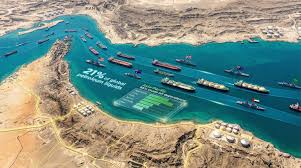
The Strait of Hormuz, located between Oman and Iran, is one of the world’s most important shipping lanes for oil and gas. It handles nearly a fifth of global oil exports, making any disruption in the area a concern for international energy markets. Since February 28, the strait has been effectively blocked after strikes launched by United States and Israel against Iran, leading to a near standstill of commercial shipping.
The draft resolution, introduced by Bahrain, proposed authorising the deployment of a defensive force to protect ships passing through the strait from potential Iranian attacks. The resolution was supported by the United States and Gulf countries most affected by the disruption, reflecting concerns over regional security and uninterrupted energy flows.
However, several permanent members of the Security Council, including Russia, China, and France, had expressed reservations about previous drafts of the resolution. Their objections, combined with ongoing diplomatic negotiations, likely contributed to the postponement of the vote.
The situation around Hormuz has been tense for months, as the waterway is a critical artery for energy exports. Any military escalation or international intervention carries serious risks for global trade and could heighten the possibility of conflict in an already volatile region.
Iran has repeatedly insisted that its actions in the Strait of Hormuz are defensive. Tehran sees any international military presence in the strait as a direct threat to its sovereignty and has consistently warned that foreign interference will be met with resistance.
The UN Security Council, made up of 15 member states including five permanent members with veto power—United States, United Kingdom, France, Russia, and China—has been closely monitoring the situation. Council members face pressure to balance regional security concerns with the risk of escalating tensions further.
The postponement of the vote reflects the delicate negotiations underway. While Gulf countries and the US want immediate measures to secure shipping lanes, other members fear that authorising a military presence could provoke Iran and trigger a larger conflict.
The Strait of Hormuz has historically been a flashpoint for geopolitical tension. Past incidents, including the seizure of foreign vessels and confrontations between naval forces, have underscored the importance of the waterway and the high stakes involved in maintaining its security.
Energy markets around the world are watching developments closely. Any significant disruption in oil flow from the Gulf could lead to rising fuel prices and economic instability in importing countries. International shipping companies are also under pressure to navigate the risks associated with passing through the strait.
Iran’s warning to the UN is part of a broader diplomatic effort to assert its influence in the region and push back against what it views as external threats. Tehran has used both formal diplomatic channels and public statements to signal its red lines and discourage military action.
Meanwhile, Bahrain, the country sponsoring the resolution, has argued that the proposed force is necessary to guarantee safe passage for commercial vessels and protect regional trade. Gulf leaders have repeatedly called on the international community to act decisively in light of the ongoing blockade.
The postponement of the vote offers an opportunity for further dialogue, but also leaves uncertainty over the security of the strait. Analysts suggest that without a coordinated approach, tensions could escalate, putting ships, crews, and energy supplies at risk.
As the situation develops, the international community remains focused on diplomatic solutions to avoid confrontation while ensuring the free flow of goods through one of the world’s most strategically important maritime routes.
The coming weeks are expected to be crucial, with Iran’s response, the positions of major UN members, and the Gulf states’ demands all playing a key role in determining whether the situation stabilises or escalates further.