
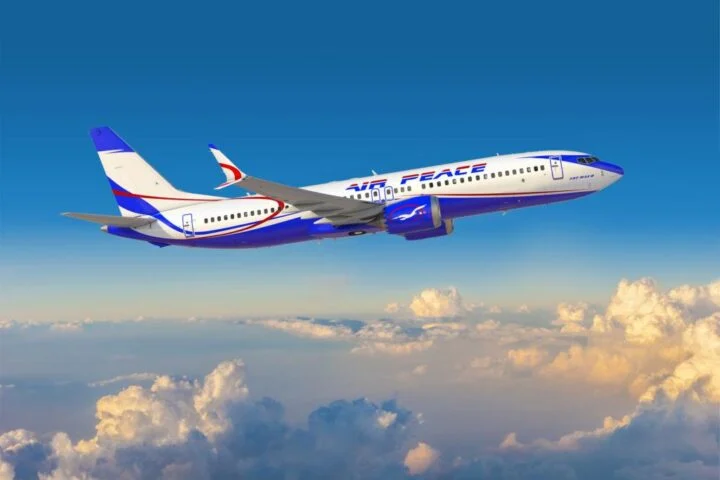
Operations at the domestic terminal of Nnamdi Azikiwe International Airport, Abuja, were disrupted on Monday due to a technical fault affecting baggage screening equipment. The disruption caused delays for passengers flying with Air Peace, one of Nigeria’s leading domestic carriers, leaving many stranded at the terminal.
In a statement issued by the airline, management confirmed that the glitch significantly slowed baggage processing and loading procedures, impacting scheduled departures. “We sincerely regret to inform you of a temporary disruption affecting flight operations at the Nnamdi Azikiwe International Airport Domestic Terminal, specifically impacting baggage processing and loading,” the statement read.
The technical issue was traced to the terminal’s baggage screening equipment, which temporarily hindered normal operational flow. The airline explained that the problem affected both check-in and boarding procedures, resulting in longer waiting times for passengers.
Passengers at the terminal expressed frustration over extended delays, with some complaining about the lack of information during the initial hours of the disruption. However, the airline assured travellers that efforts were underway to mitigate the impact. “We understand the inconvenience and uncertainty this may cause, and we truly appreciate your patience during this time,” Air Peace said.
To keep operations running, Air Peace activated alternative baggage screening arrangements using available equipment. While these measures allowed flights to continue operating safely, they also added to processing times and led to delays for some departures.
The airline emphasized that its ground teams were fully engaged to assist affected passengers. “Our ground teams are fully mobilised and on hand to support passengers, provide updates, and prioritise affected flights,” the statement read.
Air Peace also confirmed that it was working closely with relevant airport authorities to resolve the problem as quickly as possible and restore normal operations.
Airline disruptions due to technical faults are not uncommon at major airports, but they can significantly affect travellers’ schedules, especially during peak travel periods. The Monday disruption came at a time when domestic air travel in Nigeria has been increasing steadily, with more Nigerians opting for flights over road transport due to convenience and safety.
Passengers reported longer waiting times at check-in counters and boarding gates, leading to anxiety among those with tight schedules. Some passengers were seen seeking clarification from airline staff and airport personnel, highlighting the importance of timely communication during operational challenges.
Technical faults, weather conditions, and airport infrastructure limitations have occasionally caused disruptions across Nigerian airports. Nnamdi Azikiwe International Airport, Abuja, handles thousands of passengers daily, and any issue with critical equipment like baggage screening systems can ripple across flight schedules.
Air Peace, which operates a large fleet of domestic flights, is known for connecting major Nigerian cities such as Lagos, Port Harcourt, Enugu, and Abuja. Maintaining smooth operations requires close coordination between airline staff, airport authorities, and security personnel.
Air Peace reassured passengers that it was making every effort to expedite processes and minimise disruptions. “Please be assured that we are doing everything within our control to expedite the process and reduce the impact on your travel plans. We sincerely apologise for the inconvenience and thank you for your understanding and cooperation,” the airline said.
The airline urged travellers to stay updated on flight schedules and maintain contact with the airline’s customer service teams for guidance on boarding times and baggage handling.
The airline’s collaboration with airport authorities reflects the importance of coordinated response in addressing operational issues. By working together, Air Peace and the airport management aim to restore normal operations swiftly and prevent further inconvenience to passengers.
Airport authorities have also highlighted the need for regular maintenance of critical equipment such as baggage scanners to avoid disruptions. Technical faults in airport equipment can affect not just one airline but multiple carriers operating at the terminal.
Air Peace has reiterated its commitment to providing safe, reliable, and efficient air travel for Nigerian passengers. The airline continues to invest in staff training, equipment maintenance, and operational planning to reduce the likelihood of such disruptions in the future.