
A temporary ceasefire has been reached between the United States, Iran, and Israel, halting attacks for two weeks while negotiations continue for a longer-term agreement. The deal was announced by President Donald Trump, who said it came barely an hour before a self-imposed Wednesday deadline to launch a large-scale attack on Iran, a move that sent relief across the globe.
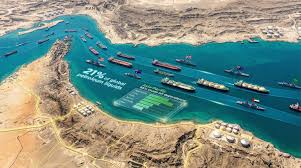
Under the ceasefire, Iran agreed to temporarily reopen the Strait of Hormuz, a key international shipping route for oil, gas, and fertilizers. The reopening eased immediate fears of global supply disruption and helped calm volatile markets. Oil prices dropped by more than 17 percent, European natural gas fell by 20 percent, and Asian stock markets rose on the news.
President Trump said he had discussed the situation with Pakistan’s leaders, who requested a pause in attacks, and credited China with helping persuade Tehran to enter negotiations. “Subject to the Islamic Republic of Iran agreeing to the COMPLETE, IMMEDIATE, and SAFE OPENING of the Strait of Hormuz, I agree to suspend the bombing and attack of Iran for a period of two weeks,” Trump wrote on his social media platform, Truth Social.
Iranian officials confirmed that the Strait would be safely reopened for two weeks, and Iranian Foreign Minister Abbas Araghchi said that Iranian forces would cease defensive operations if attacks against the country stopped. Meanwhile, the United States offered assistance to manage the buildup of traffic in the Strait.
Both Tehran and Washington claimed victory following the announcement. Trump told AFP that the deal was a “total and complete victory” for the US, while Iran described the ceasefire as a historic triumph. The Iranian Supreme National Security Council stated that the enemy had suffered a “crushing defeat” in what it called an “illegal and criminal war” against Iran.
Israel, which was involved in the conflict alongside the US, also agreed to the ceasefire, though Prime Minister Benjamin Netanyahu noted it did not cover operations in Lebanon. Israeli forces continued strikes there, with at least one building near Tyre targeted, while Lebanese authorities reported renewed attacks. Israel had initially encouraged Trump to act against Iran, and early strikes reportedly targeted the country’s supreme leader, Ayatollah Ali Khamenei.
The ceasefire comes after weeks of heavy attacks. Iran had launched drone and missile strikes on Gulf Arab states, targeting hubs for US troops. Bahrain experienced explosions earlier on Wednesday, which authorities blamed on “Iranian aggression.” Even the United Arab Emirates claimed it had emerged victorious from the conflict, despite being heavily targeted.
Negotiations for a long-term peace deal are set to begin in Pakistan, with Iran submitting a ten-point plan reportedly including lifting sanctions, recognition of its control over the Strait of Hormuz, removal of US forces, and continuation of its uranium enrichment program. Trump stated that the nuclear material issue would be “perfectly taken care of” under any agreement, although he did not provide details.
Global leaders welcomed the ceasefire while urging that it be turned into lasting peace. UN Secretary-General Antonio Guterres called on all parties to work toward “a lasting and comprehensive peace.” The British Prime Minister, Keir Starmer, announced an immediate visit to the Gulf, emphasizing the importance of supporting and sustaining the ceasefire and reopening the Strait.
Oman, which has previously mediated between Washington and Tehran, reiterated the need to identify solutions that could resolve the crisis at its root. Meanwhile, uncertainty remains about whether Trump would resume his previous threats to destroy critical infrastructure in Iran if talks fail, having earlier warned that “a whole civilization will die tonight, never to be brought back again.”
The fragile truce offers a brief pause in what has been a month-long conflict, giving the international community a moment of relief but underscoring the need for careful diplomacy. With Iran reopening the Strait of Hormuz and negotiations beginning, both countries and their allies are cautiously optimistic but remain wary that renewed fighting could erupt once the two-week ceasefire expires.
The agreement’s outcome could affect global energy markets, regional stability, and the future of nuclear negotiations, making the coming weeks crucial for diplomacy in the Gulf. Analysts note that while both sides claim victory, the true test will be whether these talks lead to a durable settlement that prevents further escalation in one of the world’s most strategically sensitive regions.