
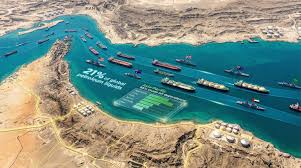
The United Kingdom has said it will not take part in a proposed maritime blockade of the Strait of Hormuz announced by United States President, Donald Trump, as tensions between the US and Iran continue to rise.
The decision marks a clear difference in approach between Washington and London over how to handle the growing crisis in the Middle East, especially after the breakdown of nuclear talks between the US and Iran.
President Trump recently directed the US Navy to block vessels entering or leaving the Strait of Hormuz, one of the most important shipping routes in the world. The move came shortly after long-running nuclear negotiations between the two countries collapsed without an agreement.
Reports say the talks lasted about 21 hours but failed to resolve key issues, especially concerns about Iran’s nuclear programme. While Trump acknowledged that some progress had been made, he insisted that major disagreements remained, prompting the decision to take stronger action.
The Strait of Hormuz, located between Iran and Oman, is a narrow but critical waterway through which nearly 20 per cent of the world’s oil supply passes. Any disruption to shipping in the area could have serious consequences for global energy markets and economies, including Nigeria, which depends heavily on oil exports.
In a statement reported by Sky News, a spokesperson for the UK government said Britain would not support the blockade plan. Instead, the UK is focused on ensuring that the waterway remains open and safe for international shipping.
“We continue to support freedom of navigation and the reopening of the Strait of Hormuz, which is vital for the global economy and the cost of living domestically,” the spokesperson said.
The UK also stressed that the strait should not be subject to restrictions or tolls, adding that it is working with allies, including France, to promote a peaceful solution and maintain stability in the region.
“We are actively engaging with France and other partners to form a broad coalition to safeguard maritime movement,” the statement added.
Earlier reports had suggested that the US was seeking support from its allies, including the UK, to enforce the blockade. This reportedly included requests for British naval assets, such as minesweepers, to help secure the area.
However, UK officials have now made it clear that although British naval vessels with mine-hunting capabilities are present in the region, they will not be used to support the US plan.
This stance reflects a more cautious approach by the UK, which appears to favour diplomacy and international cooperation over direct military action.
The growing tension between the US and Iran has been a major concern for the international community. Relations between both countries have remained strained for years, largely due to disagreements over Iran’s nuclear activities and the US withdrawal from a previous nuclear agreement.
Efforts to revive talks have faced repeated setbacks, with both sides accusing each other of failing to make necessary compromises. The latest round of negotiations was seen as a key opportunity to ease tensions, but its collapse has raised fears of further escalation.
Experts warn that any military action in the Strait of Hormuz could have far-reaching consequences. The waterway is not only vital for oil shipments from the Middle East but also serves as a major route for global trade.
For countries like Nigeria, which rely on oil revenue, instability in the global oil market could affect prices and government income. A disruption in supply could push oil prices higher in the short term, but it may also lead to uncertainty in global markets.
There are also concerns about the safety of ships and crews operating in the region. In the past, tensions in the Gulf have led to attacks on oil tankers and other vessels, raising the risk for international shipping.
By declining to join the blockade, the UK is sending a signal that it prefers to avoid actions that could increase the risk of conflict. Instead, it is pushing for cooperation among nations to keep the shipping route open and secure.
France and other European countries are also believed to support a balanced approach that combines security measures with diplomatic efforts. Their aim is to prevent further escalation while protecting global economic interests.
Meanwhile, President Trump has defended his decision, saying the blockade is necessary to put pressure on Iran following the failure of talks. He announced the plan through his Truth Social platform, where he often shares policy decisions and updates.
The situation remains uncertain, with many watching closely to see how Iran will respond to the US move. Any reaction from Tehran could further increase tensions and affect stability in the region.
As events continue to unfold, the international community faces the challenge of balancing security concerns with the need to protect global trade and avoid conflict.
For now, the UK’s decision highlights the divisions among Western allies on how best to handle the crisis. While the US appears ready to take a more aggressive stance, others are urging caution and continued dialogue.
The coming days are expected to be critical, as diplomatic efforts continue and the risk of confrontation remains high in one of the world’s most important waterways.