
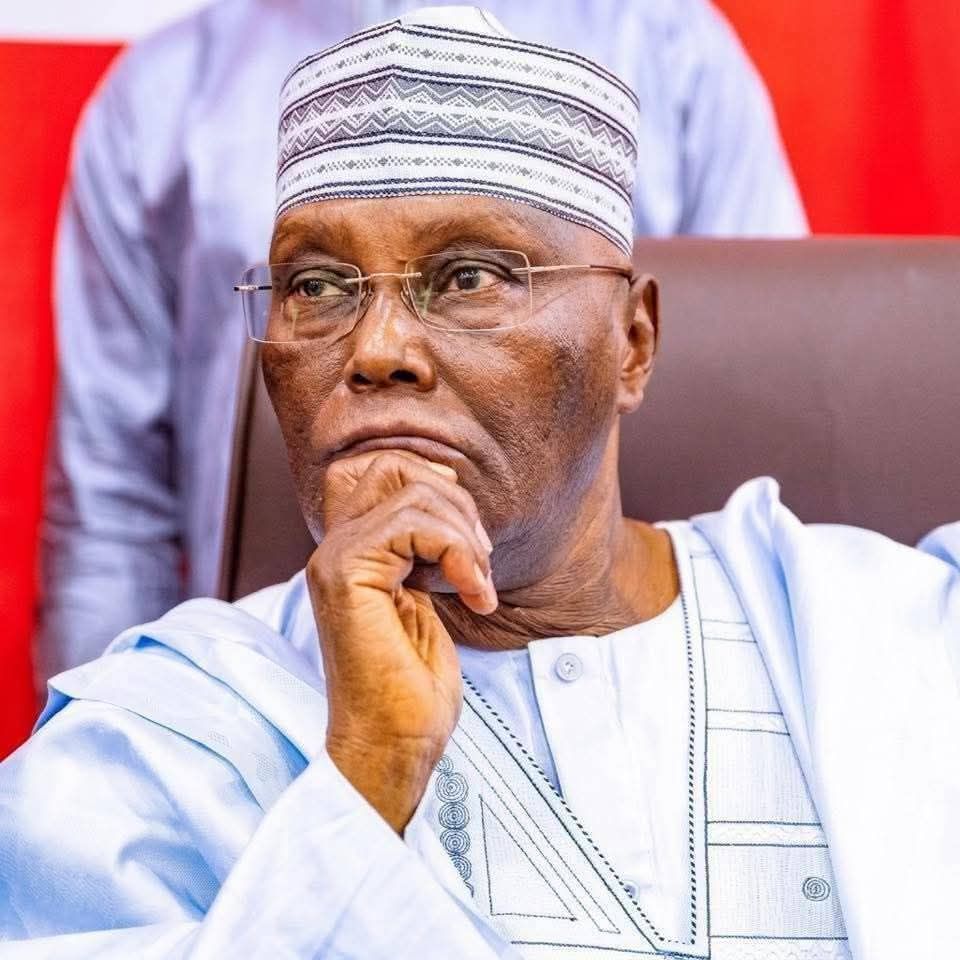
Former Vice President Atiku Abubakar has urged delegates of the African Democratic Congress to choose competence, experience and national acceptance over social media popularity as the party prepares for the 2027 presidential election.
Atiku gave the advice in a statement issued through his Senior Special Assistant on Public Communication, Phrank Shaibu, amid growing political activities and early alignments ahead of the next general election.
The former presidential candidate warned that Nigeria’s current challenges require an experienced leader capable of governing effectively from the first day in office.
According to him, the country cannot afford what he described as a “learning-on-the-job presidency” at a time of economic hardship, insecurity and institutional difficulties.
“This is not a season for political experimentation. Nigeria cannot afford a learning-on-the-job presidency,” Atiku declared.
The former Vice President also took a swipe at politicians relying heavily on social media popularity and online support, insisting that elections are not won through internet trends alone.
Although he did not mention any specific individual, his comments appeared directed at growing excitement around some emerging political figures expected to contest the 2027 presidential election.
Atiku argued that the presidency requires practical governance experience, political structure and the ability to manage national crises.
“Elections are not won on social media enthusiasm alone. Governance is not performance art. The presidency is not a platform for improvisation,” he said.
“The ADC must present to Nigerians its strongest, most credible, most prepared candidate; not merely its loudest.”
The former Vice President said the choice before ADC delegates goes beyond ordinary politics because of the difficult situation facing the country.
According to him, Nigeria is currently struggling with economic problems, insecurity, debt burden and weakening public institutions.
“At a time when Nigeria is bleeding from every pore, crippled by economic hardship, insecurity, rising debt, institutional failure, and deepening hopelessness, the question before the ADC is simple: who has the capacity not merely to campaign, but to govern effectively from day one?” he asked.
Atiku further argued that the country needs a leader with experience in governance, diplomacy, economic management and coalition building.
He said the ideal presidential candidate should be someone who has negotiated internationally, created jobs, managed national crises and developed practical solutions for economic recovery and national development.
The comments come at a time when political parties and major politicians are already positioning themselves ahead of the 2027 presidential election, despite the election being more than a year away.
Several opposition figures have continued discussions around possible alliances and coalition arrangements aimed at challenging the ruling All Progressives Congress and President Bola Ahmed Tinubu in the next election.
Atiku, who contested the 2023 presidential election under the platform of the Peoples Democratic Party, remains one of the most influential opposition politicians in the country.
He previously served as Vice President between 1999 and 2007 under former President Olusegun Obasanjo.
Over the years, Atiku has contested for the presidency multiple times under different political parties, making him one of the most experienced politicians in Nigeria’s democratic history.
His latest comments are expected to fuel further political debate, especially among supporters of younger politicians and candidates with strong social media presence.
In recent election cycles, social media has played a major role in shaping political campaigns and public opinion in Nigeria, particularly among young voters.
Platforms such as X, Facebook, Instagram and TikTok have become important tools for mobilisation, political messaging and voter engagement.
The 2023 presidential election witnessed significant online campaigns by supporters of different candidates, especially among youths demanding political change.
However, Atiku argued that online popularity alone cannot replace political organisation, governance experience and nationwide support structures needed to win elections and govern effectively.
Political analysts say his remarks reflect growing concerns among older political figures about the increasing influence of social media-driven political movements in Nigeria.
Some observers also believe the comments may be part of broader efforts by established politicians to position themselves as experienced alternatives ahead of the 2027 race.
Nigeria is currently facing several economic and security challenges, including inflation, unemployment, rising food prices, kidnapping and attacks by armed groups in different parts of the country.
The removal of fuel subsidy and reforms in the foreign exchange market under the Tinubu administration have also contributed to economic hardship for many Nigerians, despite government assurances that the policies will deliver long-term benefits.
Opposition parties have continued to criticise the Federal Government over the cost of living and insecurity, while the Presidency insists reforms are necessary to stabilise the economy.
Within the ADC and other opposition circles, discussions have intensified over the possibility of forming a united front against the APC in 2027.
Political observers believe coalition talks among opposition politicians could shape the direction of the next presidential election.
Although Atiku did not openly declare his intention to contest again, his comments are already generating speculation about his possible political plans ahead of 2027.
Supporters of the former Vice President argue that his years of experience in business and politics make him qualified to lead the country.
Critics, however, say Nigeria may need younger and fresh political leadership rather than returning to older political figures.
As political activities continue to build across the country, analysts expect more debates over leadership, competence, generational change and the role of social media in Nigerian politics ahead of the 2027 election.