
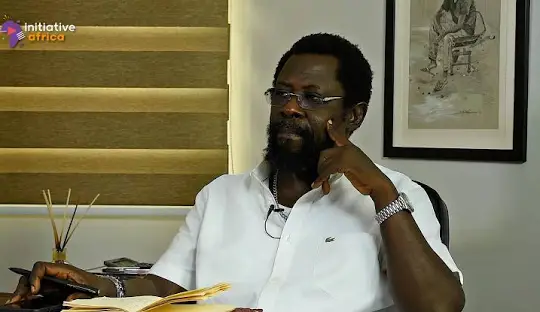
In a dramatic turn of events, prominent Lagos-based human rights lawyer, Dele Farotimi, was remanded in prison custody on Wednesday by an Ado-Ekiti Magistrate court. Farotimi faces serious defamation charges after allegedly publishing defamatory statements against Aare Afe Babalola, SAN, the founder of Afe Babalola University.
The charges stem from Farotimi’s book, Nigeria and its Criminal Justice System, in which he accused Aare Afe Babalola of corruption within Nigeria’s judiciary. Farotimi’s claims, which suggest that Babalola procured biased judgements from the Supreme Court, have allegedly exposed the respected lawyer to public hatred, ridicule, and serious damage to his career.
Farotimi was arrested by officers from the Ekiti State Police Command on Tuesday at his Lagos office. His arrest has sparked reactions across the nation, as many await the court’s verdict on the matter.
The prosecution, led by Police prosecutor Samson Osun, demanded that Farotimi be remanded in prison custody pending further investigation into the charges. Osun emphasized that the case was of national interest, with concerns that the ongoing investigation would need to be conducted in a secure environment, especially given the gravity of the accusations.
“The maintenance of security is crucial in this matter,” Osun stated in court, calling for the lawyer’s detention.
However, Farotimi’s defense team, led by Dayo Akeredolu, strongly opposed the call for remand. Akeredolu argued that the charges against his client were bailable and that Farotimi, as a well-known public figure, posed no threat to the safety of the investigation. He appealed to the court to grant bail on liberal terms, stressing that Farotimi is presumed innocent until proven guilty.
“This case is bailable, and my client has been a law-abiding citizen,” Akeredolu argued. “Dele Farotimi poses no flight risk, and he is not a danger to society.”
Despite these arguments, the presiding Magistrate, Abayomi Adeosun, ruled in favor of the prosecution’s request. Farotimi was remanded in prison custody, with the court adjourning the matter until December 10 for further hearing.
The courtroom drama unfolded against the backdrop of a deepening public debate about the role of lawyers and human rights activists in holding powerful individuals accountable in Nigeria. Aare Afe Babalola, a respected senior advocate of Nigeria, has not publicly commented on the defamation case, though his legal representatives have expressed a strong desire to clear his name.
A Powerful Figure’s Alleged Corruption Exposed
Aare Afe Babalola is known for his significant influence in Nigeria’s legal and educational spheres. He is the founder of Afe Babalola University, a prestigious private institution located in Ado-Ekiti. His reputation has long been that of a respected elder statesman in Nigeria’s legal profession.
The accusations made by Farotimi in his book are not only damaging but also cast a shadow over the integrity of the judiciary. The book claims that Babalola used his influence to procure favourable Supreme Court judgements, a statement that could have far-reaching consequences for both Babalola’s career and Nigeria’s legal system.
While the defamation case has been making headlines, the wider implications are also drawing attention. The case raises questions about the growing tension between legal professionals in Nigeria and the limits of free speech. Many observers are watching closely, wondering if Farotimi’s book will set a precedent for how allegations against influential figures are treated in the courts.
The decision to remand Farotimi in prison has sparked strong reactions across the country. Human rights advocates and legal experts have expressed concerns that the case could be an attempt to stifle free speech and silence critics of powerful individuals.
However, others argue that defamation is a serious offense and that those who make damaging statements about others should be held accountable. “This is about the protection of individuals’ reputations,” said a former judge. “If the allegations are false, there must be consequences.”
The drama in the courtroom and the subsequent decision to remand Farotimi in prison highlights the tense relationship between freedom of expression and the protection of reputations in Nigeria. With the case adjourned until December 10, all eyes will be on the court to see how it handles this high-profile defamation trial.
As the legal battle intensifies, many are questioning whether the court will continue to favor the interests of powerful figures like Aare Afe Babalola or uphold the rights of individuals to speak out against alleged corruption.
For now, Dele Farotimi remains in prison, awaiting the next phase of the case, with both sides bracing for a showdown in what could become one of Nigeria’s most high-profile defamation trials in recent years.