
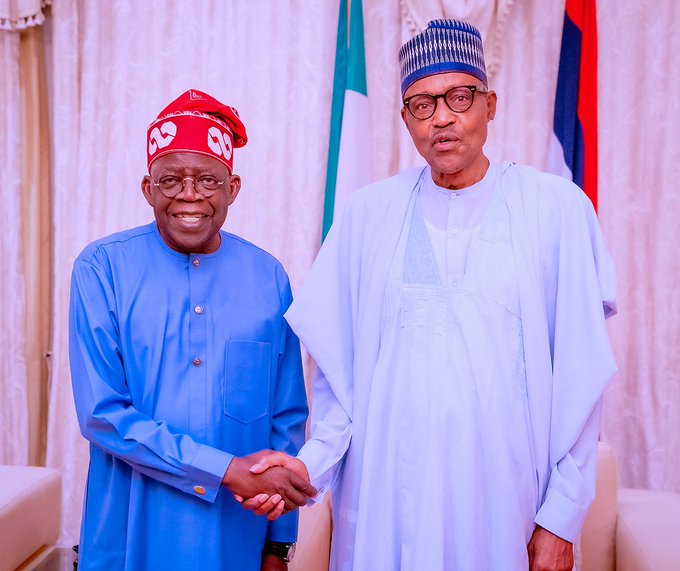
Garba Shehu, the former presidential spokesperson to ex-President Muhammadu Buhari, has responded to reports surrounding the revocation of a land in Abuja.
Shehu confirmed that Buhari is not the owner of the land in question, which was revoked by the Minister of the Federal Capital Territory (FCT), Nyesom Wike.
In a statement released on Thursday, Shehu explained that the land in question is registered under the Muhammadu Buhari Foundation, not Buhari personally.
The controversy began after Wike revoked several Certificates of Occupancy (C-of-O) in Abuja’s high-end Maitama district, reportedly affecting prominent individuals, including the Buhari Trust Fund.
This decision has sparked debate and confusion, with some media outlets claiming that the former president himself was directly impacted.
However, Shehu was quick to correct the misinformation. He explained that Buhari did not own the land directly.
“The land was registered under the Muhammadu Buhari Foundation,” Shehu clarified, adding that the foundation was set up by well-meaning individuals around Buhari and was not intended for his personal use.
Wike’s announcement on Thursday included the revocation of over 760 Certificates of Occupancy in the Maitama district. This action has affected a number of high-profile individuals, including former Chief Justice Walter Onnoghen, Speaker of the House of Representatives Abbas Tajudeen, and several government officials.
The revocations were linked to non-payment of statutory fees by the landholders.
In addition, Wike gave 614 other landowners a two-week deadline to pay outstanding fees or face the same fate. The decision is part of an ongoing effort by the FCT authorities to reclaim valuable land in the city, which is often sold or leased to individuals for a variety of purposes.
Shehu went on to clarify Buhari’s stance on land ownership during his time as president. He noted that during his tenure, Buhari was invited to apply for land in Abuja along with other cabinet members.
However, Buhari did not fill out the necessary forms, opting instead to allow others without land to receive priority.
“As an individual, the former president does have a plot of land registered in his name in Abuja,” Shehu explained. “But when he and other members of his administration were invited to apply for additional land, he turned down the offer, stating that he already owned a plot in the FCT.”
This explanation aimed to address the rumours that Buhari personally owned the land that was recently targeted by the revocation notice.
According to Shehu, the land that was revoked was allocated to the Muhammadu Buhari Foundation, which was established by several individuals with Buhari’s approval.
He further explained that the Foundation has faced numerous challenges in dealing with the Federal Capital Territory Administration (FCTA), particularly the Federal Capital Development Authority (FCDA).
The Foundation allegedly received an inflated bill for the issuance of a Certificate of Occupancy, which Shehu described as “outrageously high” and “unfairly applied.”
“The Foundation encountered difficulties when dealing with the FCDA. The bill for the Certificate of Occupancy was excessively high compared to those issued to similar organizations,” Shehu said.
He added that these complications might have been a result of bureaucratic missteps or possibly deliberate actions by the authorities.
Shehu also addressed the growing online buzz surrounding the land revocation. He urged Nigerians to check their facts before jumping to conclusions about Buhari’s involvement.
“Let those in the digital space who are jumping up and down about the loss of Buhari’s land in Abuja get their facts right,” Shehu said. “This is a case of misinformation and unnecessary panic.”
The former presidential spokesperson made it clear that Buhari himself has never been involved in the land dispute and should not be dragged into the controversy.
Nyesom Wike, the current FCT Minister, has been taking steps to address land allocation issues in the capital city, particularly in upscale districts like Maitama.
The revocation of land titles is part of an ongoing effort to reclaim land that has been allocated but not properly developed or used.
Wike’s actions have been controversial, with some critics arguing that the revocation disproportionately affects high-profile individuals, many of whom are political allies of the former administration.
However, supporters of Wike argue that these measures are necessary to restore integrity to the land allocation process in Abuja and ensure that land is used for its intended purpose.