
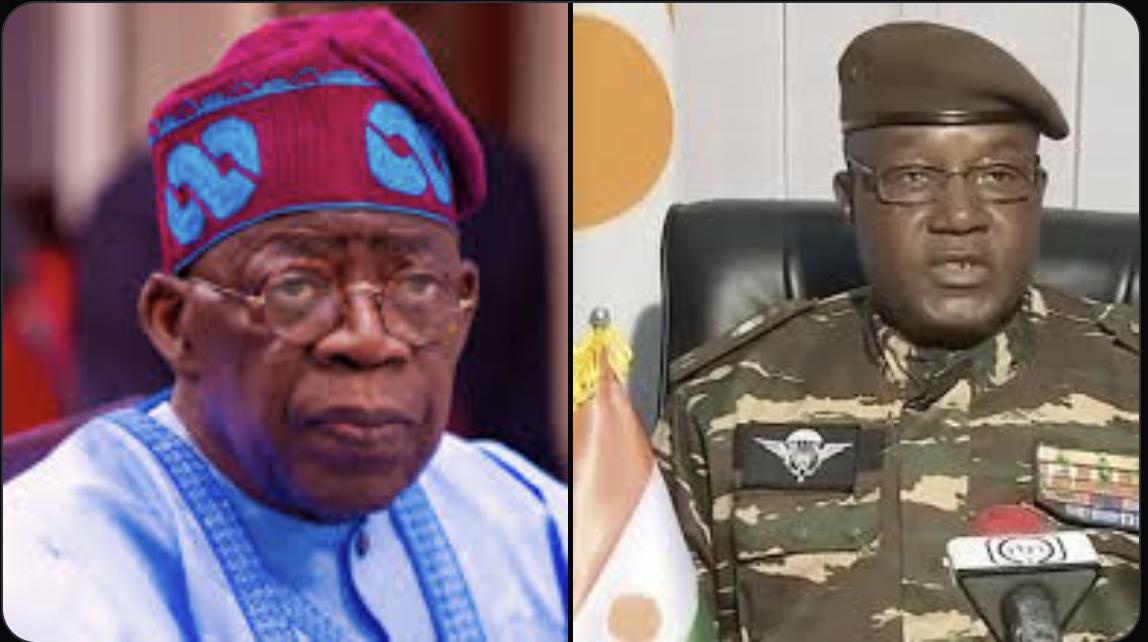
Nigeria has forcefully rejected accusations from its neighbouring country, Niger, that it is involved in attempts to destabilise the Nigerien government through support for militant groups.
The Nigerian Ministry of Foreign Affairs issued a statement on Saturday dismissing the allegations as “unfounded,” calling for the claims to be completely disregarded.
“These allegations are baseless and should be disregarded entirely,” the ministry said in a brief but strongly worded statement. This comes after Niger summoned a top Nigerian diplomat earlier in the week to protest what it called Nigerian interference in its internal matters.
The diplomatic tension between the two countries escalated after Niger’s Foreign Minister, Bakary Yaou Sangare, accused Nigeria of harbouring destabilising forces, claiming that Nigerian-based militants were responsible for the December 13 attack on the Niger-Benin oil pipeline. Sangare suggested that Nigeria’s government was complicit in the attack, backed by foreign powers and former regime officials seeking to undermine Niger’s sovereignty.
“Niger has not given up on the efforts to normalise relations, but we regret that Nigeria continues to provide refuge to those behind these destabilising efforts,” Sangare said in a statement broadcast on state television.
The attack on the oil pipeline, carried out by the Lakurawa terrorist group, has raised alarm across the region. Niger claims that militants operating from within Nigeria’s borders were responsible, sparking fears of a further breakdown in relations between the two countries. However, Nigeria’s response has been swift and unequivocal.
“Nigeria refutes in the strongest possible terms any involvement in the attack,” said Nigerian Foreign Ministry spokesperson, who reiterated that the government had no ties to the attackers. “The individuals responsible for the attack were not supported in any way by the Nigerian authorities.”
This diplomatic standoff follows months of strained relations, especially since the 2023 military coup in Niger. The coup ousted President Mohamed Bazoum, which sent shockwaves through the region and led to Niger’s withdrawal from the Economic Community of West African States (ECOWAS).
In the wake of the coup, Nigeria, under the leadership of President Bola Ahmed Tinubu, who also currently heads the ECOWAS bloc, briefly considered military intervention to reinstate Bazoum. While the situation calmed with the resumption of security cooperation between Nigeria and Niger in August, the fresh allegations of destabilisation have reignited old tensions.
Experts believe that these ongoing issues reflect deeper geopolitical struggles in West Africa, as ECOWAS faces increasing challenges in dealing with military takeovers in member states.
In a sign of the heightened diplomatic friction, Niger summoned the Nigerian envoy to Niamey on Wednesday, underscoring the seriousness of its accusations. This move represents a significant escalation in the diplomatic crisis between the two nations.
Despite the rising tensions, Nigeria remains committed to maintaining peaceful relations with Niger, with the Ministry of Foreign Affairs stating that Nigeria “will continue to explore all peaceful means to maintain its cordial relationship with the Republic of Niger.” This statement highlights Nigeria’s desire to ease the conflict without resorting to confrontation, even as accusations continue to fly.
While it is unclear how the situation will evolve, it is clear that the relationship between the two nations remains fragile. Analysts are warning that the ongoing tension could have broader implications for regional stability, particularly as Niger is seen as a key player in West Africa’s security framework.
As tensions escalate, regional observers are closely monitoring the diplomatic fallout, with many questioning the long-term impact on both countries’ political and economic stability.
The recent diplomatic dispute has left many questioning whether the efforts of ECOWAS and the broader international community can restore peace and cooperation in the region. With claims of external interference and violent attacks hanging over both nations, finding a path to de-escalation will be a crucial challenge for both governments.