
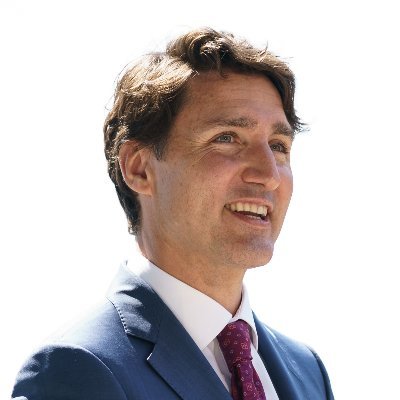
Canadian Prime Minister Justin Trudeau announced on Monday, January 6, that he would be stepping down as the leader of the Liberal Party, concluding a tumultuous tenure of nearly a decade as Prime Minister and 11 years as party leader. Trudeau, 53, will remain in office in a caretaker capacity until his successor is chosen, during a suspension of parliament that will last until March 24.
Speaking outside his official residence at Rideau Cottage in Ottawa, Trudeau reflected on his time in office and his decision to step aside. “Every morning I’ve woken up as prime minister, I have been inspired by the resilience, generosity, and determination of Canadians,” he stated. “I have fought for this country, for you.”
Political Legacy and Challenges
Trudeau rose to prominence as a progressive force in Canadian politics, securing a resounding victory in 2015 after defeating the Conservative government of Stephen Harper. Under his leadership, Canada gained international attention for its emphasis on climate change policies, diversity, and an inclusive approach to governance.
However, his tenure has not been without controversy. His administration faced criticism over vaccine mandates during the COVID-19 pandemic, a series of scandals, and declining public support. One of the major blows to Trudeau’s reputation was the resurfacing of images from his past in blackface, which fueled backlash from various quarters.
The recent resignation of key allies, including Deputy Prime Minister and Finance Minister Chrystia Freeland, and a significant slump in opinion polls have added to his political woes. Addressing reporters, Trudeau acknowledged these difficulties but emphasized the need for Canada to retain an optimistic vision. “We are at a critical moment in the world,” he said. “It has become obvious to me—with the internal battles—that I cannot be the one to carry the Liberal standard into the next election.”
A Battleground for Leadership
Trudeau’s departure leaves the ruling Liberal Party in a precarious position, with an anticipated election looming later this year. The party is widely projected to face a defeat at the hands of the opposition Conservative Party, led by Pierre Poilievre.
Poilievre, a populist figure known for his right-wing policies, reacted swiftly to Trudeau’s announcement. Describing the current state of Canada as a “dark chapter,” he outlined his agenda to reduce taxes, curb immigration, and reestablish national sovereignty. “Canadians can take back control of their lives and their country,” Poilievre declared in a video posted on social media.
His proposals include capping government spending, enhancing border controls, and bolstering Canada’s military forces. With national polling averages showing the Conservatives leading by over 20%, Poilievre is viewed by many as the likely successor to Trudeau’s administration.
One Regret
While reflecting on his time in office, Trudeau shared one significant regret: his inability to reform Canada’s electoral system. “If I have one regret, particularly as we approach this election, it’s that people couldn’t choose a second choice or a third choice on the same ballot,” he said. Efforts to transition Canada to a proportional representation system during his early years as Prime Minister were abandoned due to political resistance.
Challenges Ahead
Canada faces multiple challenges on the domestic and international front as it transitions to a new political era. Among the pressing issues are economic difficulties, climate change commitments, and the ongoing war in Ukraine. Trudeau highlighted his administration’s achievements in these areas, stating, “We rallied to support each other through the pandemic, to stand strong with Ukraine, and to prepare our economy for the future.”
Nevertheless, the Liberal Party’s road to recovery appears arduous. Internal divisions, low public approval ratings, and the formidable popularity of the Conservative opposition create a tough environment for Trudeau’s successor.
Conclusion
Justin Trudeau’s resignation marks the end of an era in Canadian politics, defined by ambitious visions, global recognition, and significant challenges. As Trudeau steps aside, Canada prepares for a pivotal leadership contest that will shape the nation’s political future.
The Liberal Party faces a crucial test to rebuild public confidence, while Pierre Poilievre’s Conservatives position themselves as the frontrunners to usher in a new political chapter. Trudeau, reflecting on his journey, reaffirmed his love for the country and his dedication to its citizens, concluding, “Canadians deserve a real choice in the next election.”