
In an unprecedented move to curb the growing menace of manhole cover thefts in the Federal Capital Territory (FCT), the Commissioner of Police, CP Tunji Disu, has ordered all scrap dealers and informal traders, commonly known as “pantakers,” to submit for a thorough profiling exercise within the next two weeks.
This directive, delivered during an on-the-ground inspection of scrap markets in the territory on Thursday, aims to bring the underground scrap trading sector under strict scrutiny as part of ongoing efforts to restore order and enhance security in the FCT.
“We want to know exactly who is operating in the pantaker business,” said CP Disu. “This exercise is vital for security and proper monitoring of operations in the area.”
The move comes in response to the increasing cases of vandalism, particularly the theft of manhole covers, which has triggered alarm among residents and government officials. The stolen covers have caused serious hazards for pedestrians and vehicles, with the FCT authorities determined to tackle this issue head-on.
The profiling exercise is part of an ambitious plan to regulate the informal scrap trading sector, ensuring that only registered, legitimate individuals engage in this business. During the two-week deadline, all scrap markets in the FCT will be temporarily shut down to allow authorities to collect necessary data on operators.
The Commissioner also issued a firm warning to scrap dealers, insisting that no one will be allowed to operate until they have completed the profiling process. “This is an essential part of ensuring that we know the people involved in this line of business,” he added.
The term “pantaker,” derived from Nigerian Pidgin English, typically refers to individuals engaged in the collection, purchase, and resale of used or discarded items such as scrap metal, plastic, electronics, and various second-hand goods. While this sector often operates informally, it plays an essential role in waste management and resource recovery. However, its involvement in criminal activities, including the theft of manhole covers, has raised concerns.
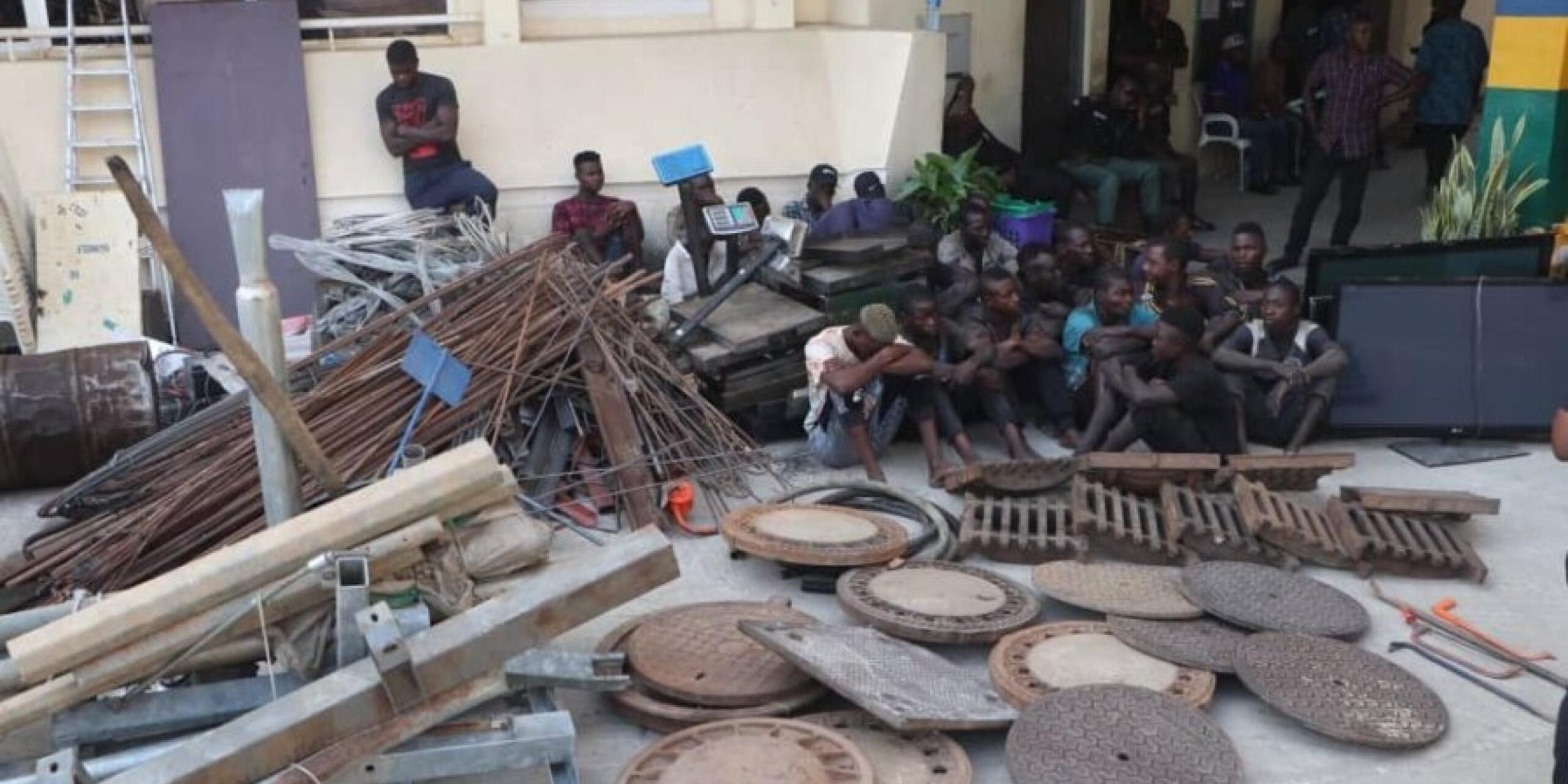
Authorities have already seen success in their crackdown, with the arrest of 50 suspects in January alone. These individuals were apprehended across various FCT areas, including Kabusa, Garki, Mabushi, and Wuse, which have been identified as hotspots for scrap theft. The arrests were made following a joint operation between the police and sister agencies focused on cracking down on the criminal underworld linked to the scrap trade.
According to police reports, over 25 manhole covers, three vehicles, vandalized solar streetlights, and several construction materials like galvanised rods used in flyover construction were recovered during the operation. These findings underscore the alarming scale of vandalism associated with scrap dealers in the FCT.
The police have indicated that the profiling exercise will be a major part of efforts to reduce criminal activities linked to scrap dealing, as CP Disu emphasized the importance of closing the loopholes that allow illegal activities to thrive in the sector.
In addition to cracking down on theft and vandalism, CP Disu highlighted a strict ban on scavenging activities within the urban areas of the FCT. “Scavengers will only be allowed to operate at designated dumps located outside the city. We don’t want them moving around the town. If anyone sees them, they should immediately contact us, and we will ensure their arrest,” he stressed.
This new policy is intended to prevent the unrestricted movement of scrap dealers throughout the city, which has been linked to an increase in public safety concerns, including accidents caused by uncovered manholes. Authorities are urging citizens to report any suspicious activity in these areas, as the police are committed to improving both safety and order in the FCT.
The issue of scrap dealing and the theft of public property is not new in Nigeria, but recent incidents have highlighted the scale of the problem. From missing manhole covers to stolen streetlights, the vulnerability of public infrastructure has been a persistent issue. However, with the new directive, authorities are hopeful that they can curb the illegal activities that continue to undermine the FCT’s urban planning efforts.
Background on the Scrap Sector
Scrap dealing, though often seen as a legitimate business that helps with recycling and waste management, has grown increasingly intertwined with illegal activities. Scrap dealers in many parts of Nigeria are known to recycle not just discarded household items, but also public infrastructure such as manhole covers, cables, and solar streetlights.
The term “pantaker” is colloquially used to refer to those who buy and sell secondhand materials. However, the rise in thefts and vandalism linked to scrap dealing has drawn the attention of security agencies, particularly in the FCT. The region has witnessed a surge in manhole cover thefts in recent years, posing significant safety risks to both motorists and pedestrians.
The FCT authorities are responding with an unprecedented push to control the sector. The profiling and shutdown of scrap markets is the first step in the government’s comprehensive plan to regulate the business while ensuring that dealers comply with local laws. By profiling every individual involved in the scrap industry, the police aim to weed out those who may be using scrap trading as a front for illegal activities.
The Impact on FCT Residents
The residents of the FCT have welcomed the move, as the theft of manhole covers has been a significant public safety issue. “It’s a good move,” said Kemi Okunola, a resident of Wuse. “We’ve seen so many manhole covers missing, and it’s really dangerous, especially at night. If this profiling helps catch the culprits, I’m all for it.”
Public opinion reflects widespread concern about the safety of FCT residents, particularly as the stolen manhole covers have led to accidents and, in some cases, serious injuries. Local businesses have also expressed frustration with the lack of security measures at scrap markets and the ease with which criminal elements exploit the system.
Next Steps in the Crackdown
The authorities are expected to intensify their operations in the coming weeks, with more arrests likely as the profiling process takes shape. CP Disu has also hinted that additional measures could be put in place if the initial crackdown proves successful.
The FCT police have pledged to monitor scrap markets closely during this profiling exercise, ensuring that only registered dealers are allowed to operate. The closure of these markets for two weeks provides authorities with an opportunity to vet all scrap traders thoroughly and ensure that the activities in these markets comply with established rules and regulations.