
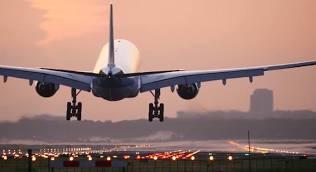
Investigators have uncovered bird feathers and traces of blood in both engines of the Jeju Air Boeing 737-800 that crashed in South Korea last month, leading to the tragic deaths of 179 people. The aircraft, which was en route from Bangkok to Muan County, overshot the runway and belly-landed at the regional airport before bursting into flames after colliding with an embankment.
According to a source close to the investigation, four minutes before the crash, one of the pilots had reported a bird strike and declared an emergency. South Korean aviation authorities confirmed that the pilot attempted a go-around maneuver and aimed to land on the opposite end of the runway, but unfortunately, the efforts failed.
In the critical moments leading up to the crash, air traffic control had issued a warning about “bird activity” near the airport, which added to the growing concerns over wildlife hazards in the area. Video footage reviewed by investigators has confirmed that a bird strike occurred on one of the engines during the approach.
Despite the severity of the bird strike, the discovery of blood and feathers in both engines raised concerns about the full extent of the damage. However, the South Korean transport ministry has declined to confirm the exact findings from the engines.
The investigation has faced a significant setback, as the plane’s two black boxes stopped recording roughly four minutes before the crash, leaving critical data from the final moments of the flight missing. Sim Jai-dong, a former investigator with the South Korean transport ministry, expressed surprise at the lost data, suggesting it could indicate a complete power failure, including backup systems, which is considered extremely rare.
While bird strikes affecting both engines are uncommon, history has shown that such incidents do not always lead to fatalities. Notable examples include the 2009 “Miracle on the Hudson,” where a US Airways pilot safely landed the plane after a bird strike, and a 2019 emergency landing in a Russian cornfield, both without fatalities.
This version reshapes the original material into a complete news story, with a dramatic tone and direct quotations that reflect the intensity of the legal battle, while keeping the background and context of the dispute intact.
Meanwhile, two minutes before the pilot’s Mayday call, air traffic control had issued a cautionary advisory about “bird activity” in the area, adding weight to concerns about wildlife hazards near the airport. Video footage analyzed by investigators confirmed that a bird strike occurred on one of the engines during the approach. Further examination revealed bird feathers and traces of blood in both engines recovered from the crash site. Reuters reports that South Korea’s transport ministry has declined to confirm reports that feathers and blood were found in both engines of the jet involved in last month’s crash. The investigation faces a hurdle as the plane’s two black boxes stopped recording roughly four minutes before the crash, leaving key moments unaccounted for. Sim Jai-dong, a former accident investigator with the transport ministry, called the missing data “surprising,” suggesting it could indicate a complete loss of power, including backup systems—an extremely rare scenario. While bird strikes affecting both engines are also uncommon, history has shown that such incidents do not always end in tragedy.