
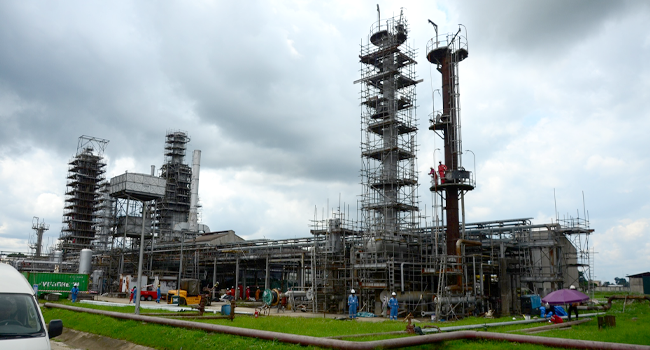
The African Democratic Congress (ADC) has criticised the Federal Government’s move to privatise Nigeria’s state-owned refineries, accusing the Tinubu administration of attempting to sell national assets after spending over \$18 billion on failed repairs.
In a statement issued by Mallam Bolaji Abdullahi, ADC’s Interim National Publicity Secretary, the party described the move as “a potential cover-up” and “an insult to Nigerians,” especially as the government recently claimed it had spent another \$2.8 billion on the same facilities.
“It is curious that the same government that claimed work had resumed at the Port Harcourt and Warri refineries now calls them moribund and wants to sell them without any public audit,” the statement read.
The ADC expressed fears that the sales could be part of shady deals designed to benefit political cronies, given the lack of transparency surrounding the process. It warned that any sale without a full, independent audit of the funds spent since 2010 would be “illegitimate and possibly criminal.”
The party said the refineries had become a “black hole for public funds,” with no increase in refining capacity, no improvement in fuel security, and no benefit to the Nigerian people despite billions spent.
Quoting Africa’s richest man, Aliko Dangote—who had publicly doubted the functionality of Nigeria’s state-run refineries—ADC said the facilities are outdated and unviable, making any sale under current conditions highly suspicious.
The party insisted that any conversation about privatisation must start with a forensic audit and a public legislative hearing involving civil society and anti-corruption agencies.
“This is no longer just about money—it’s about public trust. The government must come clean,” the statement concluded.
ADC’s strong position comes amid public concerns about growing fuel importation, rising energy costs, and lack of accountability in the oil sector.