
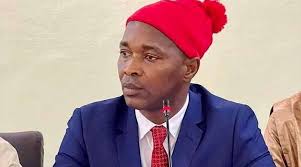
Nigeria has granted temporary asylum to Guinea-Bissau opposition presidential candidate Fernando Dia Da Costa following credible threats to his life, the Federal Government confirmed at the weekend. Da Costa is currently being sheltered at the Nigerian Embassy in Bissau, where he sought protection amid a tense political climate in his home country.
The decision was officially communicated in a letter dated November 30, 2025, signed by Nigeria’s Minister of Foreign Affairs and addressed to the President of the ECOWAS Commission. The move signals Nigeria’s growing concern about rising instability in the West African sub-region and its continued willingness to intervene diplomatically to protect democratic processes and political actors at risk.
Al-Kasam Abdulkadir, Media Aide to the Minister of Foreign Affairs, confirmed the development in a statement. He explained that granting asylum to Da Costa “falls squarely within Nigeria’s sovereign responsibility and its longstanding commitment to regional peace, stability, and democratic governance.”
Fernando Dia Da Costa is one of the key opposition figures in Guinea-Bissau, a country that has struggled with political instability for decades. He reportedly fled to the Nigerian Embassy in Bissau after receiving intelligence about plans to harm him due to his increasing popularity and his criticism of the ruling leadership.
Sources familiar with the situation say Da Costa had been vocal about governance issues, corruption, and the need for electoral reforms ahead of Guinea-Bissau’s next presidential election. His rising influence, particularly among youth and civil society groups, is believed to have triggered attempts to intimidate him or force him out of the race.
Political tensions in Guinea-Bissau escalated recently following disagreements among ruling party figures, allegations of human rights violations, and fears that some actors may resort to violence to silence opposition candidates. These developments created an atmosphere of uncertainty, prompting Da Costa to seek refuge.
Nigeria has historically played a key role in maintaining peace and political order in West Africa. As the most populous country in the region and a founding member of ECOWAS, Nigeria has repeatedly intervened diplomatically, politically, and, in some cases, militarily to restore stability in member states.
From leading peacekeeping missions in Liberia and Sierra Leone to spearheading efforts to resolve crises in Gambia, Niger, and Mali, Nigeria has often positioned itself as a regional stabiliser. Its decision to grant Da Costa asylum is seen as consistent with its long record of supporting democratic governance and protecting individuals at risk during political crises.
Nigeria’s letter to ECOWAS highlights the seriousness of the situation. ECOWAS, the regional bloc responsible for peace and security, has been closely monitoring political developments in Guinea-Bissau following recent clashes between rival political groups and tension within security agencies.
ECOWAS has intervened in Guinea-Bissau several times in the last two decades, deploying peacekeepers, mediating talks, and supporting electoral reforms. Nigeria’s request for the Commission’s involvement may signal that Abuja wants the situation handled at the regional level to avoid escalation.
There has been no official reaction yet from the government of Guinea-Bissau regarding the asylum granted to Da Costa. However, political observers believe the development could create diplomatic tension if not carefully managed. Guinea-Bissau has a long history of political upheaval, including coups, assassinations, and disputes between presidents and prime ministers.
In the past decade alone, the country has seen repeated confrontations between political leaders, leading to frequent reshuffling of governments and concerns about interference in the judicial system. International partners, including the African Union, ECOWAS, and the United Nations, have repeatedly urged Guinea-Bissau to strengthen its democratic institutions and ensure the safety of political actors.
Guinea-Bissau continues to face significant political and security challenges. Opposition figures often complain of harassment, arrest, and threats, especially during election seasons. Meanwhile, the influence of military actors in politics has remained a major source of instability.
Additionally, the country’s struggle against drug trafficking networks—who take advantage of weak institutions—has increased security tensions. Analysts say political instability often creates opportunities for criminal elements to operate more freely.
In this environment, opposition candidates such as Da Costa are often exposed to risk, making foreign diplomatic missions some of the safest places to seek immediate protection.
By granting asylum, Nigeria is also reinforcing its commitment to uphold international norms regarding the protection of vulnerable individuals. Asylum has historically been used by countries to shield political figures from harm, especially when their safety cannot be guaranteed locally.
Nigeria’s leadership says its action is not meant to interfere in Guinea-Bissau’s internal politics but to protect a human life in danger. The Ministry of Foreign Affairs stressed that the decision was based on credible intelligence and aligned with Nigeria’s responsibility to promote peace and defend democratic values in West Africa.
Diplomatic discussions are expected to continue between Nigeria, ECOWAS, and authorities in Guinea-Bissau. The next steps may involve:
calling for an independent investigation into threats against Da Costa
urging the Guinea-Bissau government to guarantee his safety
ensuring that upcoming elections are free, fair, and peaceful
promoting dialogue between political stakeholders
Da Costa will remain in the Nigerian Embassy under protection until an agreement is reached that guarantees his safety or until he decides his next course of action.
The situation reflects broader political risks in West Africa, where election-related violence, coups and threats to opposition figures have remained worrying trends. In recent years, several countries—Mali, Burkina Faso, Guinea, and Niger have experienced coups, while others have faced prolonged unrest linked to disputed elections.