
The Senate on Thursday raised serious concerns about what it described as a rapidly worsening lead-poisoning crisis in Ogijo, a densely populated community located between Ikorodu in Lagos State and parts of the Ogun East Senatorial District. Lawmakers said the situation has become a full-blown public health emergency that threatens the lives of thousands of residents, including children, pregnant women, and the elderly.
The alarm followed a motion of urgent national importance jointly sponsored by Senators Mukhail Adetokunbo Abiru (Lagos East) and Gbenga Daniel (Ogun East). The motion, brought under Orders 41 and 51 of the Senate Standing Orders 2023, urged the government to take immediate action to stop further exposure and begin a large-scale cleanup of contaminated areas.
According to the motion, verified scientific investigations have linked extremely high lead contamination in Ogijo to a group of used lead-acid battery recycling factories. These factories, which process old batteries to extract lead, had reportedly operated for years with little or no regulatory oversight.
Lawmakers noted that the factories released toxic fumes and fine dust containing lead into nearby homes, schools, markets, and even children’s playgrounds. Many residents lived just a few metres from the smokestacks, unaware that the dust settling on their roofs, cooking areas, and water sources contained dangerous levels of lead.
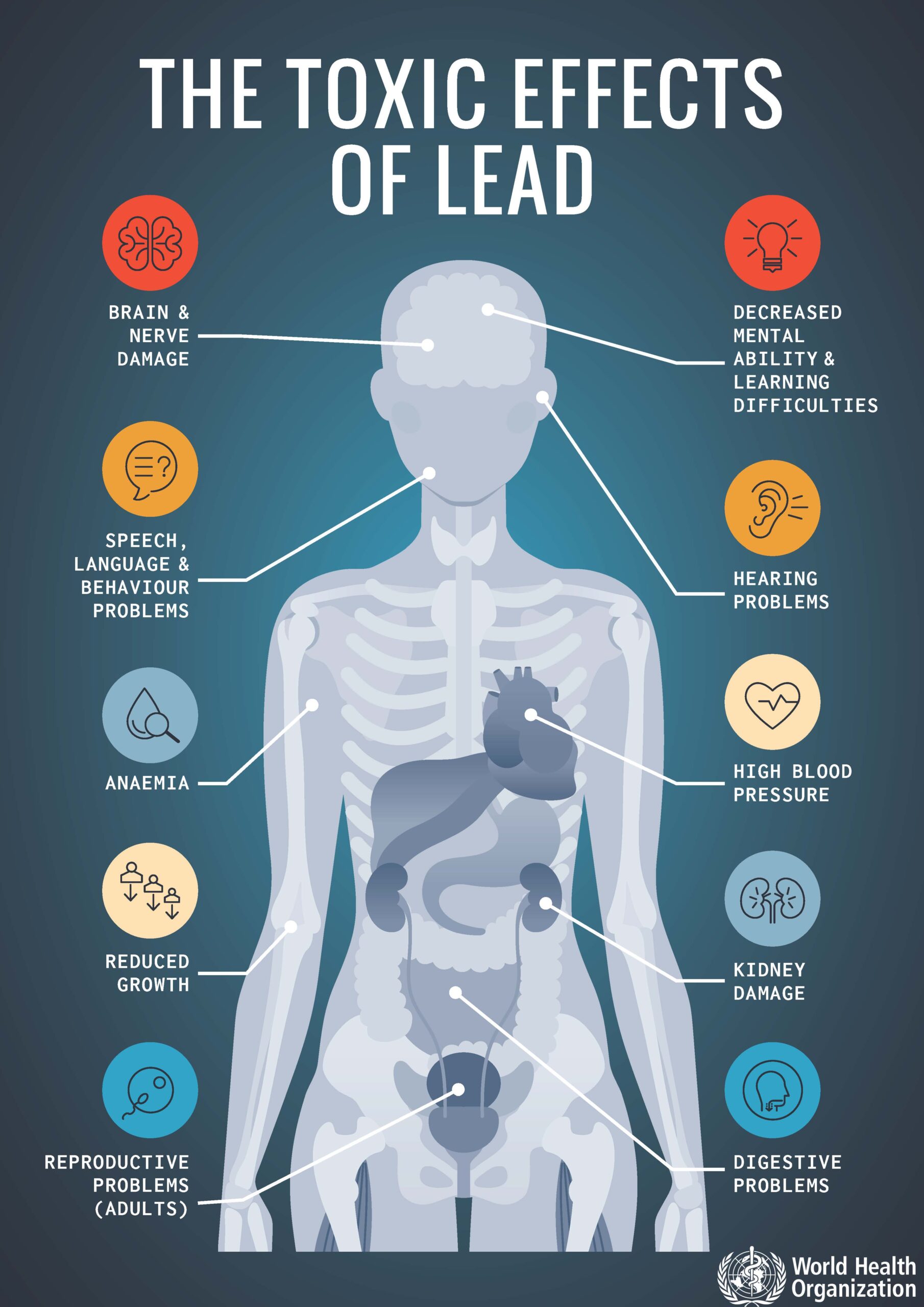
Residents of Ogijo have been reporting health problems for years. The motion stated that many people have suffered from persistent headaches, abdominal pain, memory loss, seizures, and cognitive decline. Children in particular have shown developmental delays, learning difficulties, and poor school performance—classic symptoms of long-term lead exposure.
Lead poisoning is especially dangerous for children because their bodies absorb it faster. Even small amounts can damage the brain, kidneys, liver, and nervous system. It can also cause miscarriages and stillbirths in pregnant women.
Lawmakers said the level of health complaints from Ogijo shows that many residents may have already been exposed to dangerous doses over long periods.
The Senate noted that the Federal Government had already taken some steps to contain the crisis. The Minister of State for Labour and Employment, Nkeiruka Onyejeocha, recently shut down seven battery recycling factories in the area. The government also announced a temporary suspension of lead ingot exports until safety inspections are completed.
Senators said these actions were necessary but came too late. They expressed worry that despite several years of complaints from residents, many of the factories continued to operate with little monitoring.
“It is deeply troubling that smelting operations continued unabated, releasing toxic fumes and particulate dust into surrounding homes, schools, markets, and playgrounds,” the Senate observed.
The Senate also drew attention to independent testing recently commissioned by The Examination and The New York Times, which reported extremely high levels of lead in residents’ blood as well as in soil samples around the industrial belt.
Some of the environmental readings, senators noted, were “up to 186 times above the global maximum safety limit.” Experts warn that such levels are often recorded only in mining disaster zones or areas with massive industrial accidents.
The lawmakers said it was “shocking and unacceptable” that an area with so many families, schools, and businesses was left exposed to such contamination.
A disturbing aspect of the crisis, the Senate said, is that lead processed in Ogijo has already entered international supply chains. Some of the recycled lead was sold to global battery and automobile manufacturers, many of whom reportedly failed to carry out proper checks or relied only on assurances from local suppliers.
This raises serious questions about environmental and labour practices, not only locally but also among international companies that purchased materials linked to unsafe operations.
While some factory operators deny wrongdoing, the Senate noted there were clear weaknesses in Nigeria’s regulatory system that allowed such dangerous practices to continue for years.
Agencies responsible for monitoring industrial activities were either underfunded, understaffed, or unable to enforce rules consistently. The lawmakers said this regulatory gap is partly to blame for the current crisis.
However, the Senate commended early interventions by the Lagos and Ogun State Governments, which carried out initial inspections, public-awareness campaigns, and collaborated with federal agencies to control the situation.
Citing Sections 14(2)(b) and 20 of the 1999 Constitution, lawmakers reminded the federal and state governments that their main responsibility is to ensure the security and welfare of citizens and to protect the environment.
They said allowing hazardous industries to operate in residential areas violates these constitutional obligations.
After an extensive debate, the Senate resolved to commend the Federal Government and both state governments for shutting down unsafe factories but insisted that more must be done.
The Senate called for:
Sustained enforcement, including further shutdowns of non-compliant factories
Extended suspension of lead exports
Prosecution of factory owners and operators who violated environmental and health laws
Stronger monitoring of all recycling and smelting operations nationwide
It also directed the following agencies to take immediate action:
Federal Ministry of Health and the Nigeria Centre for Disease Control (NCDC)
Deploy emergency medical teams
Conduct free toxicology tests and blood-lead screening
Offer chelation therapy and long-term treatment for affected children and adults
Federal Ministry of Environment and NESREA
Carry out a complete environmental cleanup
Map soil, air, groundwater, and household dust contamination
Federal Ministry of Solid Minerals and related agencies
Enforce strict operational standards for all battery-recycling and lead-processing facilities
The Senate also recommended creating a National Lead Poisoning Response and Remediation Task Force under the National Emergency Management Agency (NEMA). It directed the Committee on Legislative Compliance to monitor the implementation and report back within six weeks.
Lawmakers described the Ogijo contamination as a preventable disaster, saying it should serve as a national warning about the dangers of industrial pollution and regulatory neglect.
They stressed the urgent need for Nigeria to strengthen environmental enforcement, ensure that factories meet safety standards, and protect vulnerable communities from hazardous waste.